Your Face Is Scanned Before You Grab a Basket — and California Stores Don't Have to Tell You
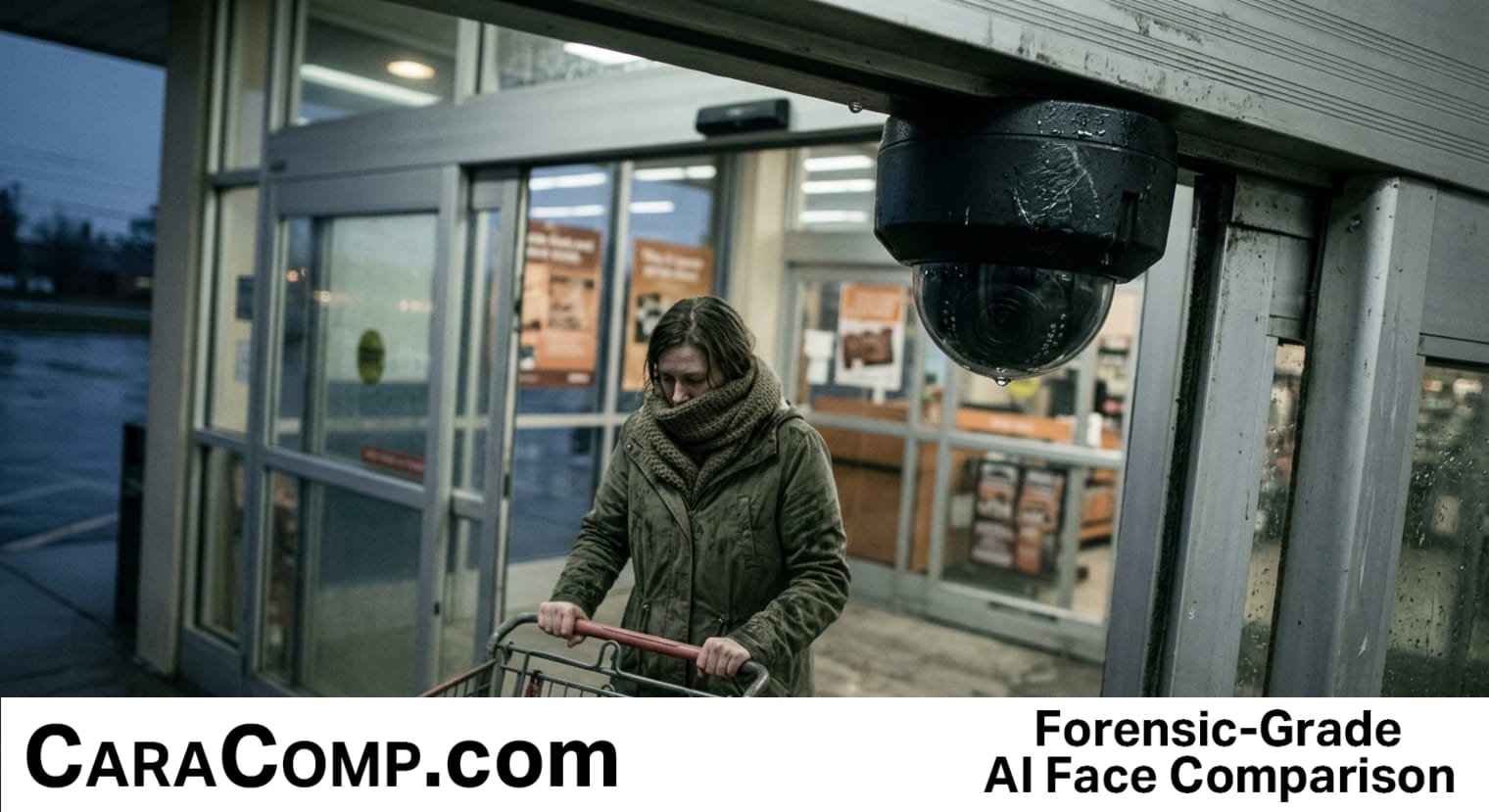
California grocery stores have officially turned their front doors into digital checkpoints, and you aren’t even invited to the conversation. While shoppers hunt for discounts at the Bay Area’s Grocery Outlet locations, AI systems are quietly hunting for faces. The most unsettling part isn't just the scanning—it's that under current California law, these retailers don't have to tell you it's happening.
As professionals in the investigation and OSINT space, we are watching a dangerous blurring of the lines between "security" and "unreliable mass surveillance." The retail industry is currently attempting to solve a very real $20 billion theft problem by deploying "black box" watchlists. These systems aren't just checking faces against a single store’s records; they are tapping into shared networks where a mistake at one shop can follow a citizen to every other store in the region. For the investigator who values precision, this rollout is a masterclass in how not to use facial technology.
The core issue here isn't the technology itself—it's the context. There is a massive functional difference between the broad-net, low-resolution scanning used at a grocery store door and the high-fidelity, side-by-side facial comparison used by professional investigators. When retail systems fail—as we saw with the recent five-year FTC ban on another major pharmacy chain—it's usually because the environment is uncontrolled and the "matches" are treated as gospel without expert verification. Professionals know that a computer’s "confidence score" is the start of an investigation, not the end of it.
- The "Reliability Gap" is a professional liability. Mass scanning in low-light, high-motion environments like store entrances leads to the kind of false positives that destroy reputations and lead to civil litigation. High-stakes investigators can’t afford tools that guess; they need Euclidean distance analysis that holds up in a court-ready report.
- The industry is shifting toward a "Transparency-First" model. As public pushback grows against silent scanning, investigators who use ethical, comparison-based tools—rather than secretive surveillance nets—will be the only ones left standing when the inevitable privacy legislation hits.
- Precision outweighs volume. This news proves that more data isn't better data. A single, high-quality facial comparison performed with professional-grade software is worth more than ten thousand automated "watchlist" hits from a grocery store camera.
In the investigative world, we don't scan crowds; we analyze evidence. The future of this tech belongs to those who use it for targeted, reliable case analysis, not those who treat every customer like a suspect before they’ve even grabbed a basket.
Read the full article on CaraComp: Your Face Is Scanned Before You Grab a Basket — and California Stores Don't Have to Tell You


Comments
Post a Comment