Your Face Is Being Scanned at the Grocery Store — and Washington Doesn't Make Them Tell You
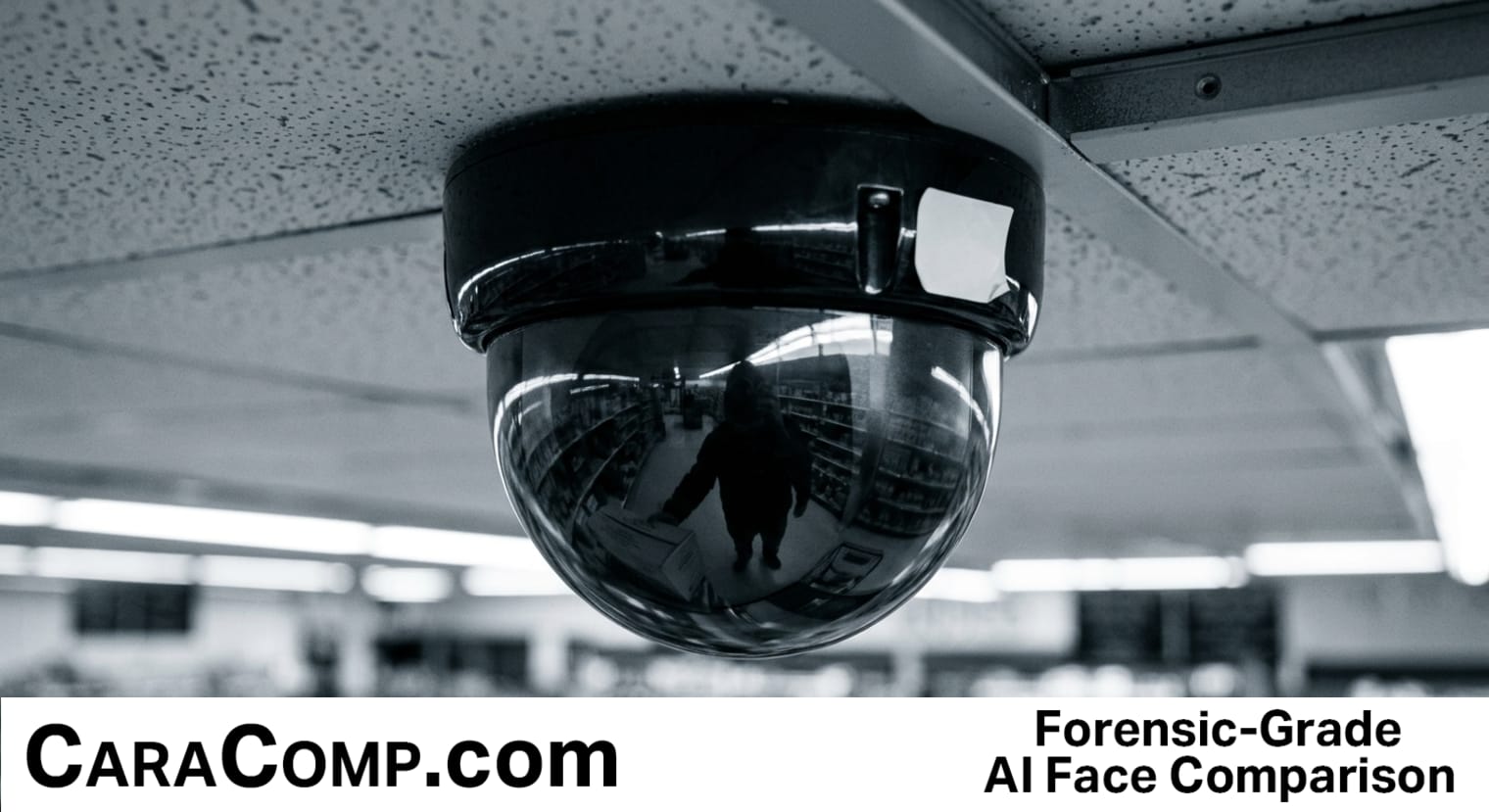
Your local detective needs a warrant and a mountain of oversight to run a single facial search, but the grocery store manager in Spokane can map your orbital sockets before you even reach the frozen food aisle—all without saying a word. This isn't a conspiracy theory; it’s the legal reality of Washington’s current biometric loophole. While law enforcement is kept on a short leash regarding biometrics, private retailers are treating customer faces like open-source data to be harvested at will.
The 2020 privacy law in Washington state effectively gave a free pass to the private sector, allowing retailers to build unregulated databases of customer face-codes under the guise of "security." This "Wild West" approach to retail surveillance doesn't just annoy privacy advocates; it actively damages the reputation of legitimate investigation technology. There is a fundamental difference between mass surveillance—scanning every shopper in the produce section—and professional facial comparison, which is a precision tool used by PIs and OSINT experts to solve specific cases.
At CaraComp, we know that the integrity of Euclidean distance analysis depends on how it is applied. When a grocery chain uses secret scanning to flag shoplifters, they often rely on black-box algorithms that lack the professional rigor required for court-admissible reporting. Solo investigators and small firms cannot afford to have their tools lumped in with these invasive retail tactics. If retailers continue to prioritize covert scanning over transparent, case-specific analysis, the regulatory backlash will be swift and blind, potentially stripping affordable, enterprise-grade tools away from the professionals who use them ethically to fight fraud and find missing persons.
- The "Private Exemption" is a liability ticking bomb. Without standardized reporting or transparency, retail face-scanning is begging for Federal intervention, similar to the bans we’ve already seen hitting major pharmacy chains for misidentifying innocent shoppers.
- Accuracy claims are meaningless without professional methodology. Vendors touting "99.8% accuracy" often ignore the demographic bias and environmental factors that lead to false positives—errors that an investigator's reputation cannot afford.
- Regulatory overcorrection is inevitable. As more states move toward outright bans, the professional investigative community must distinguish precision comparison tools from the blunt-force tactics of big-box retail.
We must stop confusing surveillance with analysis. For the investigator juggling multiple cases, the goal is efficiency and reliability—not monitoring the general public. We need tools that provide court-ready results and professional Euclidean distance analysis without the ethical baggage of a secret grocery store database. The future of the industry depends on drawing that line clearly before the regulators draw it for us.
Read the full article on CaraComp: Your Face Is Being Scanned at the Grocery Store — and Washington Doesn't Make Them Tell You


Comments
Post a Comment