Your Face Is About to Live on Your Phone — 40 Million People Just Went First
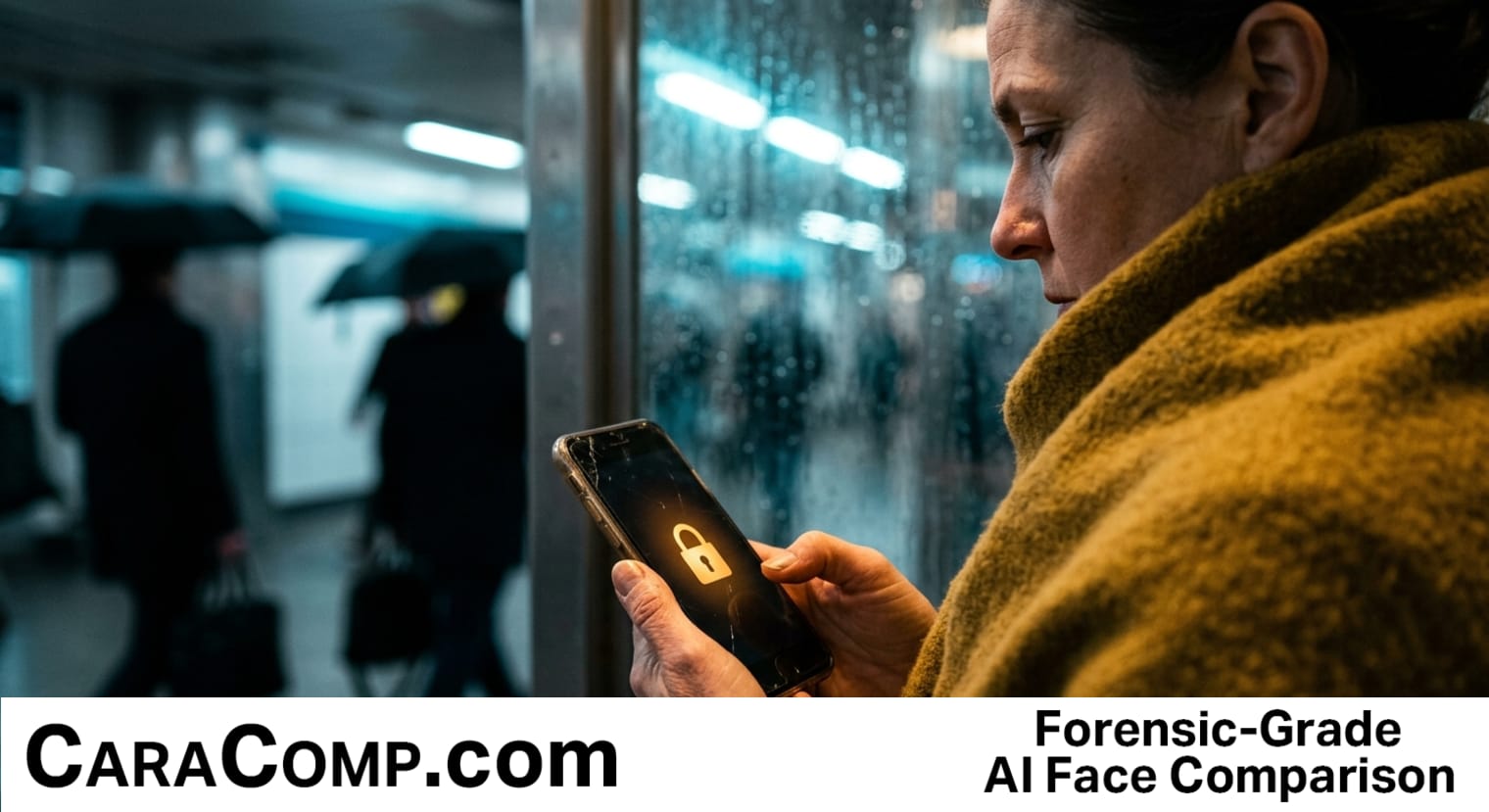
Forty million people just volunteered to put a digital padlock on their own faces, and nine million of them did it in the last thirty days alone. India’s Aadhaar app hitting this milestone isn't just a win for government efficiency; it’s a massive signal that biometric normalization has reached the point of no return. When the public starts treating their facial data like a physical key—toggling access on and off 19 million times—it changes the game for every investigator on the planet.
For solo private investigators and OSINT researchers, this isn't just overseas news. It’s a preview of the coming verification crisis. As identity moves into the digital wallet, fraud will inevitably follow at an industrial scale. We are entering a period where "seeing is believing" is a dangerous methodology. When identity becomes a series of mobile handshakes, the ability to perform high-precision facial comparison isn't just a niche skill—it’s the only way to maintain a professional reputation.
The real story here isn't the app; it's the data. With millions of people actively managing their biometrics, the demand for court-ready, side-by-side case analysis is about to explode. Investigators can no longer rely on manual "eyeballing" or consumer-grade search tools that offer zero reliability. If you’re still spending three hours manually comparing facial features across case photos while the rest of the world moves to Euclidean distance analysis, you’re already behind the curve.
- The "Verification Gap" is Widening: As digital IDs become standard, professional fraud operations will exploit the friction-less nature of mobile identity. Investigators need enterprise-grade comparison tools to bridge the gap between a "confirmed" digital ID and the actual person standing in front of a camera.
- Control is the New Commodity: The 19.1 million "lock" actions prove that people value their biometric security. To stay relevant, investigators must provide reports that respect this technical shift—using professional facial comparison rather than invasive scanning.
- Affordability is the Final Barrier: Government agencies have had this tech for years. The Aadhaar scale proves the tech is ready for the masses; CaraComp ensures it's finally priced for the solo investigator.
The future of investigation isn't about scanning crowds; it’s about comparing YOUR photos for YOUR case with the same mathematical precision used by federal agencies. Don't wait for the next 40 million people to move online before you upgrade your toolkit.
Read the full article on CaraComp: Your Face Is About to Live on Your Phone — 40 Million People Just Went First


Comments
Post a Comment