Your Face Got Scanned at Wegmans. Nobody Had to Tell You.
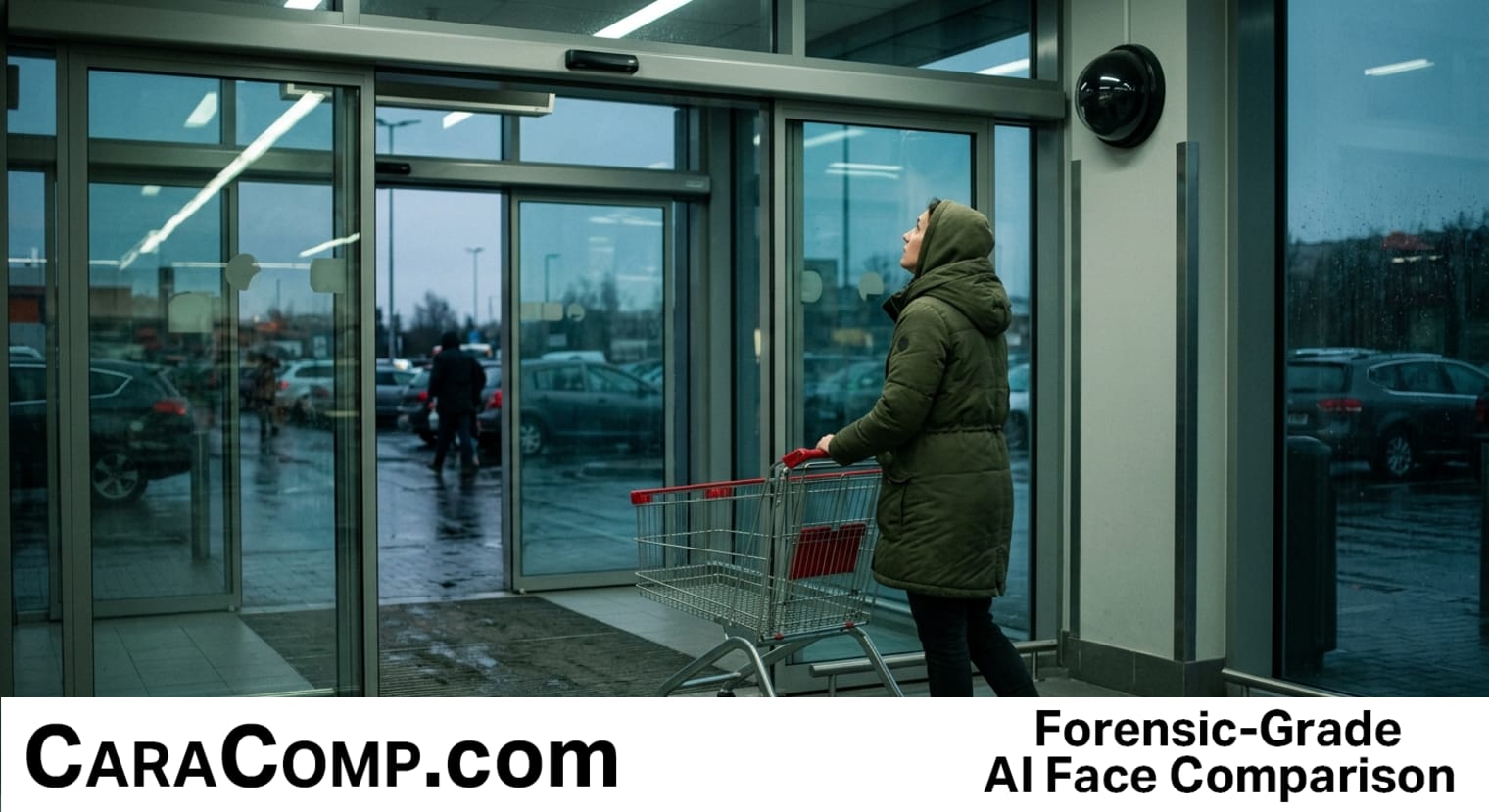
Retailers are poisoning the well for legitimate investigative technology. When a grocery giant like Wegmans quietly scans faces without disclosure, it triggers the exact kind of legislative backlash currently brewing in Monroe County. For the professional investigator, this isn’t just a headline about consumer privacy—it’s a warning shot. The "black box" approach to facial tech is failing, and it's creating a massive credibility gap that OSINT professionals and private investigators have to bridge every single day.
The Monroe County bill demanding "clear and conspicuous" disclosure is a direct response to the industry's lack of transparency. When stores treat biometric data like a secret asset, they invite bans that could eventually restrict the tools we rely on for insurance fraud and missing persons cases. We need to be very clear: there is a fundamental difference between mass surveillance scanning of crowds and the precise, 1:1 facial comparison used by professional investigators. One is a privacy minefield; the other is a standard, essential methodology for closing cases.
For the solo PI or small firm, the stakes are even higher. While retailers are fighting over signs at the door, the tech they use—enterprise-grade Euclidean distance analysis—is often kept behind six-figure paywalls or used in ways that lack court-readiness. Investigators shouldn't have to choose between shady consumer tools with low reliability and overpriced government contracts. The future of the industry depends on affordable, professional-grade comparison tools that focus on the case at hand, not the casual shopper in the dairy aisle.
- Legislation is catching up to the "wild west" of biometrics. As more counties push for disclosure and data destruction rules, investigators must ensure their methods are beyond reproach and their reports are professional enough for a courtroom.
- The "Surveillance" vs. "Comparison" distinction is the industry’s only shield. We must pivot the conversation away from crowd monitoring and toward side-by-side, evidence-based analysis of specific case photos.
- Affordability no longer means low reliability. The same math used by major retailers is now accessible to solo investigators, allowing them to close cases in seconds rather than hours, without the "Big Brother" baggage.
The Monroe County bill isn't an attack on technology; it’s an attack on secrecy. As investigators, we should welcome transparency. When we use tools that provide clear, mathematical comparisons and professional reports, we don't need to hide. We just need to get the job done faster and more accurately than the manual methods of the past.
Read the full article on CaraComp: Your Face Got Scanned at Wegmans. Nobody Had to Tell You.


Comments
Post a Comment