Your Face Gets Scanned the Second You Walk In. Australia Just Said No.
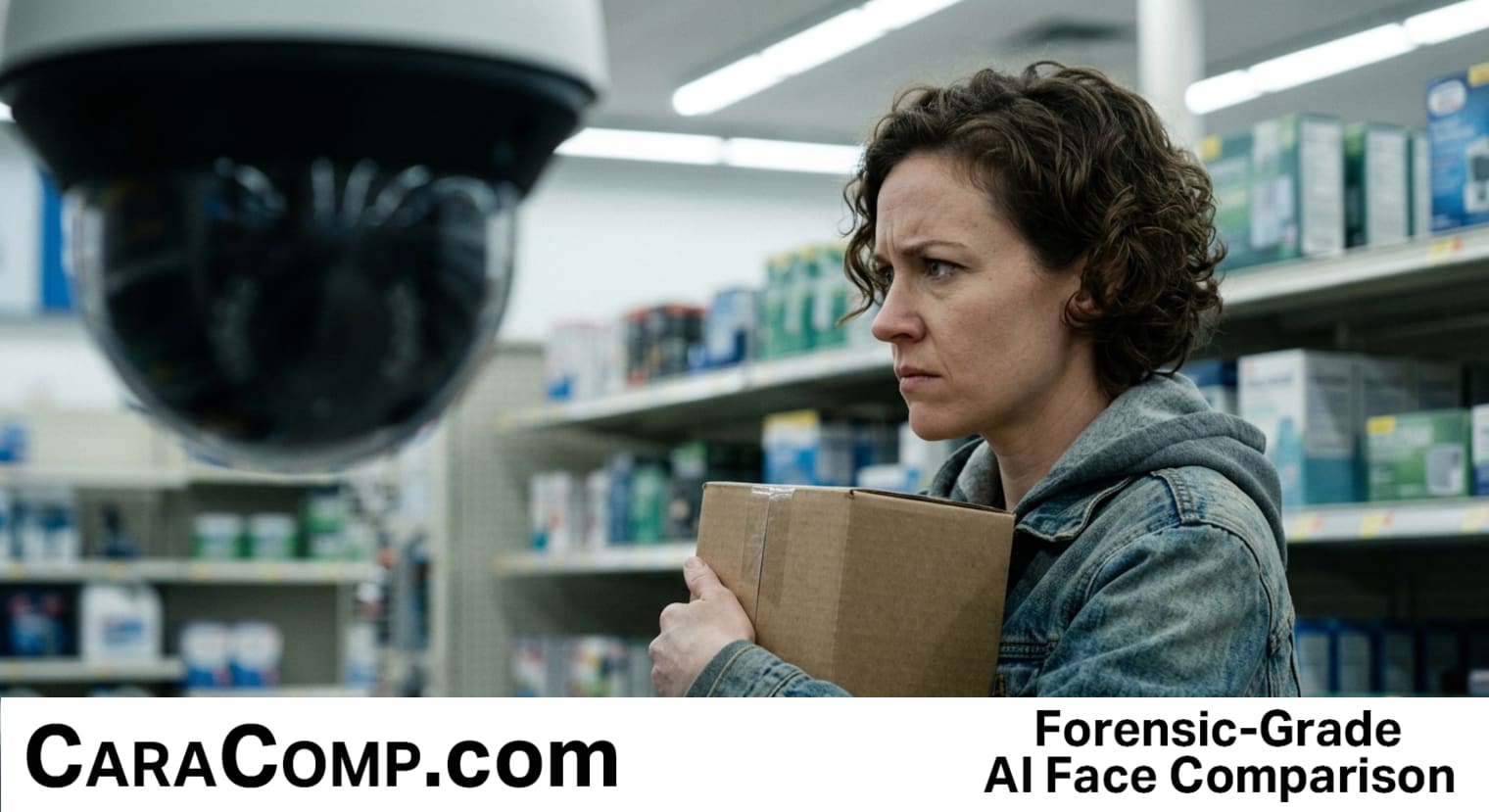
Retailers have spent years treating your face like a free barcode, but the "scan everyone" era of store security just hit a brick wall. Australia’s privacy watchdog recently handed down a landmark ruling against major retail chains for quietly capturing the biometric data of every customer who walked through their doors. This isn't just a local legal spat; it is a fundamental shift in how the world views the difference between legitimate security and an invasive biometric dragnet.
As professionals in the investigation and OSINT space, we need to be the first to distinguish between surveillance and comparison. The Australian ruling focuses on the "necessity test"—the idea that you cannot use high-level technology to solve low-level problems when less intrusive methods exist. For solo private investigators and small firms, this news is actually a massive validation of standard investigative methodology over mass data harvesting.
The future of facial comparison isn't about scanning crowds of innocent shoppers; it’s about the surgical, precise analysis of specific evidence. While major retailers are getting burned for lack of consent and "creeping" tech implementation, the demand for professional-grade, ethical facial comparison tools is only going to grow.
- The "Necessity Test" is coming to private investigations: Regulators are increasingly demanding that investigators prove why biometric analysis was required for a case, making professional, court-ready reporting more critical than ever.
- The "Dragnet" is dead, but comparison is king: There is a widening legal gulf between scanning the public for "security" and performing 1-to-1 or 1-to-many Euclidean distance analysis on specific case photos provided by a client.
- Accountability is the new industry standard: Investigators who rely on unverified, "black box" consumer tools will face the same reputational risks as these retailers if their methods can't stand up to a privacy audit or a cross-examination.
At CaraComp, we’ve always maintained that the power of AI should be in the hands of the investigator, not the automated gatekeeper. This ruling proves that the industry is moving away from mass surveillance and toward the type of deliberate, case-focused facial comparison that tech-savvy PIs use to close files. If you are still relying on manual methods or questionable consumer tools, you aren't just slow—you’re a liability.
Read the full article on CaraComp: Your Face Gets Scanned the Second You Walk In. Australia Just Said No.


Comments
Post a Comment