Your Face at the Border Doesn't Get Deleted. It Gets Filed for 75 Years.
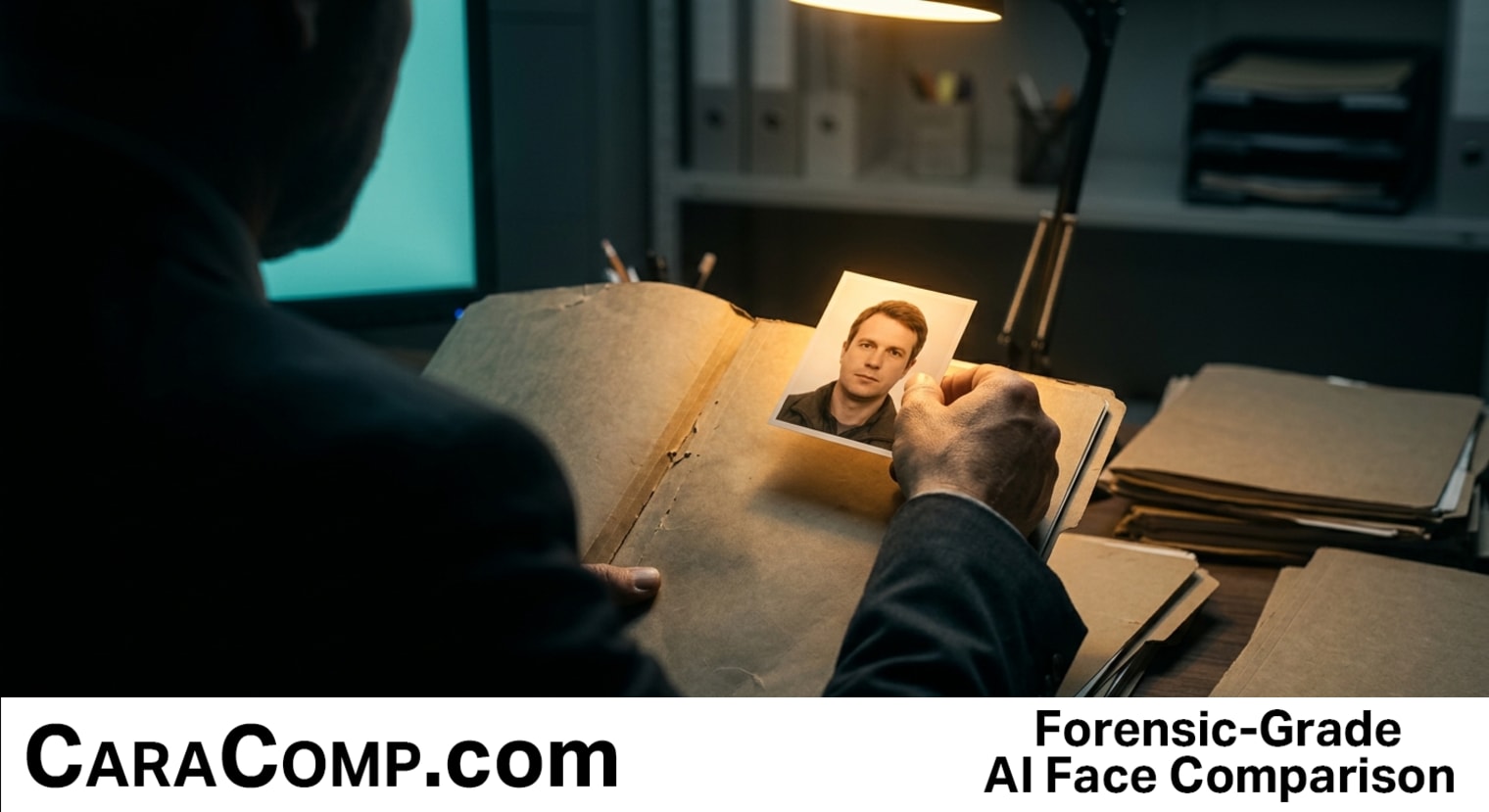
The face scan you provided at the border isn't a digital handshake—it’s a permanent file that might outlive your grandchildren. While the public debates the ethics of facial recognition, agencies like Israel’s Shin Bet are already pushing for "unrestricted" access to these databases, bypassing existing laws that mandate data deletion within 90 days. For the professional investigator, this news highlights a massive double standard in the biometrics industry.
Governments are quietly building 75-year archives of biometric data while private investigators and OSINT professionals are still expected to manually eyeball photos to confirm identities. This isn't just about privacy; it's about the democratization of technology. The "unrestricted" access sought by federal agencies represents the enterprise-grade power of Euclidean distance analysis—the same math used to verify matches with scientific precision. Yet, while agencies hoard this data, solo PIs and small firms are often priced out of the very tools that make such analysis possible.
We need to draw a hard line between mass surveillance and investigative facial comparison. The former is a government archive project; the latter is a critical tool for solving insurance fraud, missing persons cases, and internal thefts. When agencies ignore deletion laws, they muddy the waters for legitimate professionals who use comparison technology ethically to close cases. If a government can keep your face on file for seven decades, an investigator should at least have the tools to compare two photos with more than a "best guess."
The implications for the investigative community are clear:
- Government scope creep is inevitable. When biometric data is stored for 75 years, the mission of that data will naturally shift from "border security" to "general investigation" without public oversight. This increases the pressure on private PIs to provide results that are just as technically rigorous.
- Professional standards are the only defense. As government agencies bypass audit requirements, private investigators must double down on court-ready, professional reporting to maintain their reputation and legal standing. You cannot stake a career on the 2.4/5 reliability of consumer-grade search tools.
- The "Enterprise Gap" is a liability. Investigators can no longer rely on manual comparison while the public sector uses automated Euclidean analysis. Staying behind the tech curve makes a PI irrelevant in a world where digital identity is persistent and permanent.
The real story here isn't the camera at the gate; it's the database in the basement. Investigators don't need to scan the world—they need the power to compare the photos they already have with enterprise-level accuracy. The future of the industry belongs to those who adopt these tools without the enterprise price tag.
Read the full article on CaraComp: Your Face at the Border Doesn't Get Deleted. It Gets Filed for 75 Years.


Comments
Post a Comment