Your Car Is About to Watch Your Eyes — and Nobody's Saying Where That Video Goes
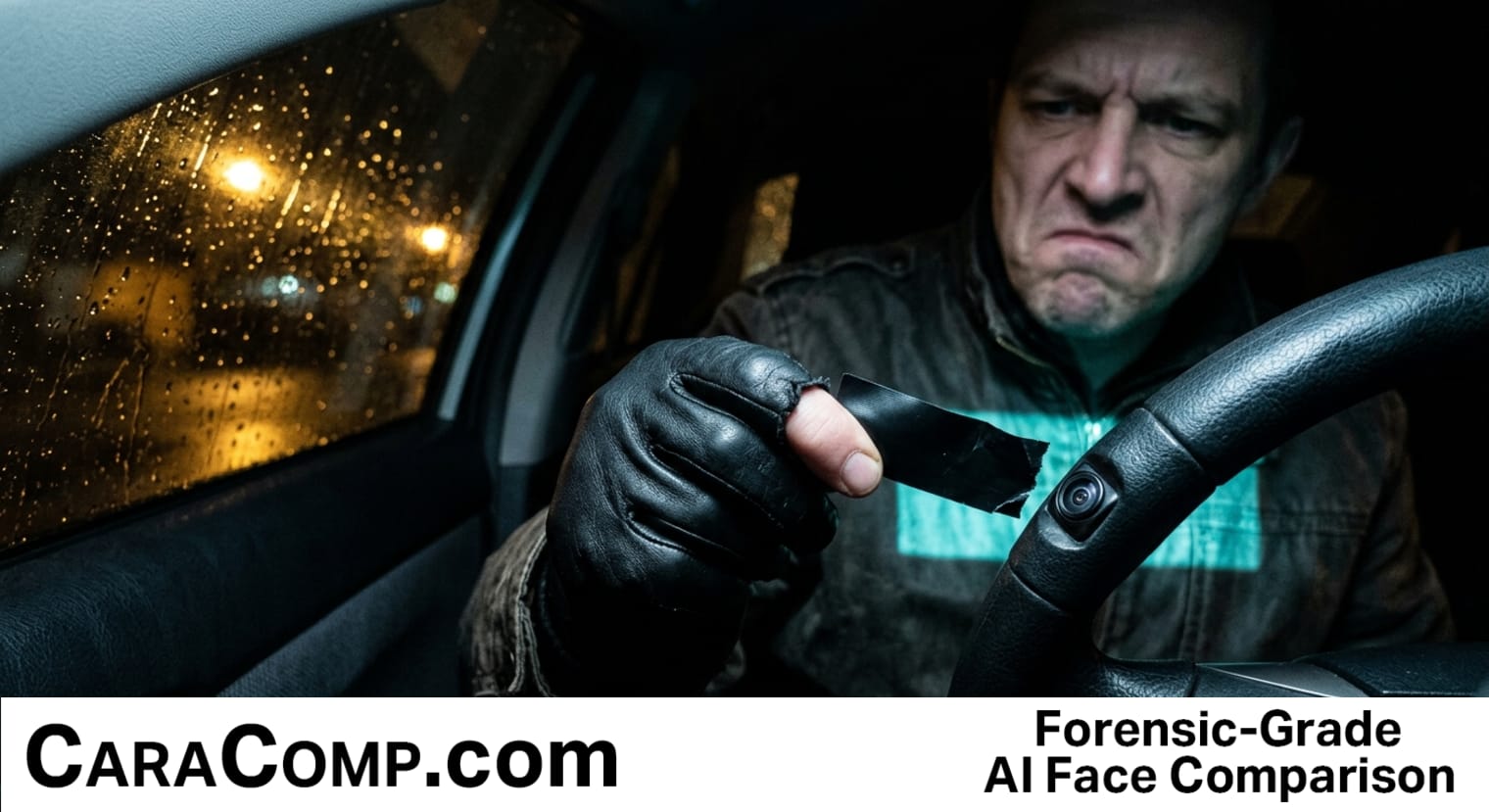
Your next car isn't just a vehicle; it’s a silent witness that might be judging your fitness to drive based on the speed of a blink. While federal regulators in Canada stall over the deployment of biometric driver monitoring, a much larger shift is happening: the commoditization of Euclidean distance analysis. The technology that can detect a drowsy driver is the same math that allows a private investigator to identify a suspect in a graining photo, yet one is being packaged as a safety feature while the other is often gatekept behind six-figure enterprise contracts.
At CaraComp, we see the industry hitting a predictable wall. The "privacy gap" mentioned in recent reports isn't about the technology itself—it's about the lack of transparent, professional-grade tools for those who actually handle evidence. Automakers are building biometric "black boxes" where eye-tracking data disappears into a server with no clear ownership. In contrast, the modern investigator needs the opposite: a transparent, side-by-side facial comparison tool that produces court-ready results without the "Big Brother" baggage of mass surveillance.
The real scandal isn't that cars are watching our eyes; it’s that the industry has spent years making this caliber of analysis feel like science fiction to the solo PI. Whether it’s tracking gaze direction to prevent a crash or using facial comparison to close an insurance fraud case, the core biometric principles are identical. If a car can perform real-time eyelid analysis, there is no reason a solo investigator should still be spending three hours manually comparing photos. The barrier has always been price and complexity, not the math.
- The commoditization of biometrics is inevitable: As eye-tracking and facial comparison become standard safety features in consumer vehicles, the legal and investigative sectors will be forced to adopt enterprise-grade Euclidean analysis just to keep pace with the data being generated.
- Data ownership is the new battleground: The friction in Canada proves that users (and investigators) are tired of "black box" AI; they want tools that provide clear, professional reporting they can actually stand behind in court.
- The "Enterprise" excuse is dead: If this tech can be integrated into a mid-range sedan, it can no longer be priced at $2,000 a year for investigators. The shift toward affordable, specialized comparison tools is the only way to bridge the current tech gap.
The future of investigation isn't about scanning crowds; it's about having the same analytical power as a federal agency or a smart-car manufacturer, right on your own desktop. It's time to stop treating facial comparison like a luxury and start treating it like the standard investigative methodology it has become.
Read the full article on CaraComp: Your Car Is About to Watch Your Eyes — and Nobody's Saying Where That Video Goes


Comments
Post a Comment