Why You Keep Photographing Your Face for Every App — and Who's Really to Blame
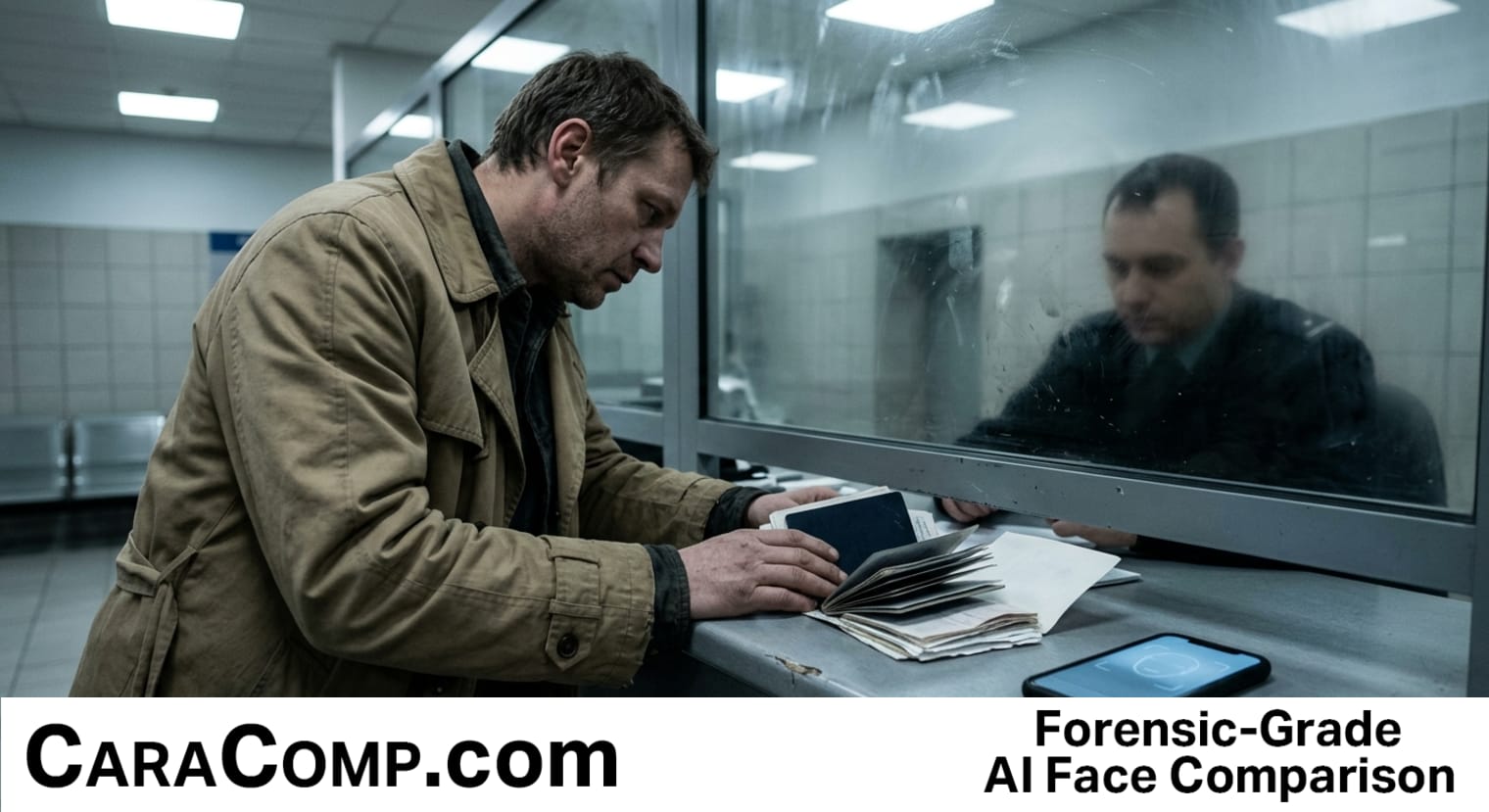
The next time you’re forced to take a 4K selfie for a banking app that already has your ID on file, stop blaming the software—blame the lawyers. We’ve been told for years that biometric technology is "emerging" or "unreliable," but a new study from the University of Warwick and the Alan Turing Institute just exposed the real bottleneck. The technology for seamless, universal digital identification has been ready for years; it’s the institutional ego and a lack of shared governance that keeps us trapped in a loop of redundant verification.
For the private investigator or OSINT professional, this institutional friction is a double-edged sword. While governments and banks bicker over whose "homework" to trust, they are inadvertently creating massive silos of biometric data that offer zero interoperability. This lack of trust between agencies means that professional investigators are often the ones left to bridge the gap, using facial comparison technology to find the truth that fragmented systems miss. While the world waits for a "perfect" global ID, cases are being solved right now by those who understand how to use Euclidean distance analysis to compare faces across disparate, uncooperative datasets.
The study highlights that countries like Brazil and the Philippines have the infrastructure, but lack the legal "handshakes" to make it useful. From the CaraComp perspective, this confirms what we’ve known all along: the power of facial comparison belongs in the hands of the individual investigator, not just the bureaucratic elite. When institutions refuse to share data, the investigator with the right tools becomes the most critical asset in the room.
Key implications for the investigative industry include:
- Data Redundancy is a Security Liability: Every time a new app demands a facial scan because it doesn't trust a previous one, it creates a new target for bad actors. For investigators, this means more potential sources of evidence, but also a more chaotic digital footprint to track.
- Comparison Over Recognition is the Professional Standard: While the public gets bogged down in "surveillance" debates, savvy investigators focus on facial comparison—the mathematical analysis of two specific images—to provide court-ready evidence that bypasses institutional red tape.
- The Tech Gap is Closing for Solo Firms: As enterprise-grade Euclidean distance analysis becomes more affordable, solo PIs no longer have to wait for government-level "governance" to catch up. They can perform the same high-level analysis as federal agencies at a fraction of the traditional cost.
We are moving toward a world where your face is your passport, but until the gatekeepers agree on the rules, the burden of proof remains on the investigator. Don't wait for the institutions to trust each other—arm yourself with the tools to verify the facts yourself.
Read the full article on CaraComp: Why You Keep Photographing Your Face for Every App — and Who's Really to Blame


Comments
Post a Comment