"Try On" Sunglasses Online? A Court Just Said Your Face Is Worth $5,000
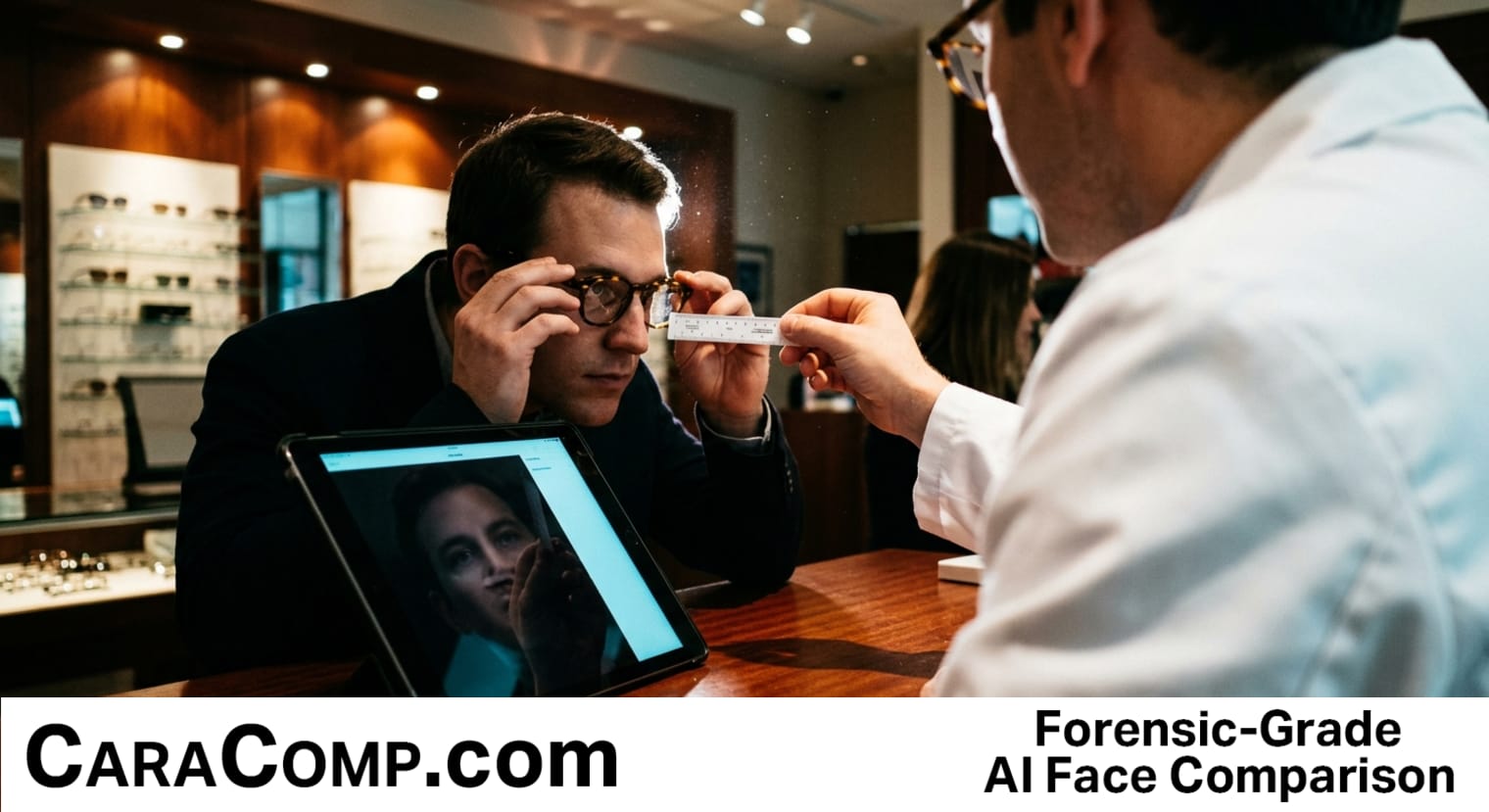
Your face is worth exactly $5,000—at least according to a federal appeals court that just blew the doors off the "retail convenience" excuse for biometric data collection. By reviving a lawsuit against an eyewear company’s virtual try-on tool, the court sent a clear message: mapping facial geometry isn't a "cute feature," it’s a high-stakes legal liability.
For those of us in the investigation and OSINT space, this ruling is a massive signal flare. The court rejected the idea that fitting sunglasses qualifies as a "healthcare" exemption. Instead, it labeled the act of mapping a face for retail purposes as a direct violation of biometric privacy if explicit consent isn't present. This is a watershed moment for the industry because it separates "cool tech" from "compliant methodology."
As investigators, we often walk the line between cutting-edge technology and courtroom admissibility. While retail giants are getting slapped with multi-million dollar class actions for playing fast and loose with facial geometry, the professional investigator must pivot toward tools that prioritize comparison over surveillance. The difference is subtle but vital: we aren't scanning crowds or harvesting data for marketing; we are conducting side-by-side Euclidean distance analysis on specific case evidence. This ruling proves that the context of "why" you are analyzing a face is just as important as the "how."
If a sunglasses company can be sued for thousands of dollars per click, imagine the scrutiny your digital evidence will face in the coming years. This is why manual comparison or "good enough" consumer search tools are becoming a professional liability. You need an audit trail, not just a guess.
- Context defines legality: The court has made it clear that the same facial scan can be legal in a doctor's office but a liability on a retail site. For investigators, this means your methodology must be tied to a specific case and professional standard to remain defensible.
- The "Wild West" is ending: Regulation is catching up to biometric tech. Professionals must move away from tools that lack clear data policies or court-ready reporting, as these will be the first things a defense attorney picks apart.
- Methodology over harvesting: The future belongs to facial comparison—analyzing photos you already have for a specific investigative lead—rather than mass biometric scanning that triggers privacy red flags.
Investigators who continue to rely on manual comparisons or high-priced, unproven software are sitting ducks in this new legal environment. The shift is toward precision, affordability, and, most importantly, professional accountability. If the courts are putting a $5,000 price tag on a single facial scan, you can't afford to get your analysis wrong.
Read the full article on CaraComp: "Try On" Sunglasses Online? A Court Just Said Your Face Is Worth $5,000


Comments
Post a Comment