The Scariest Deepfake Isn't a Face — It's the "Approved" Stamp on Your Company's Software
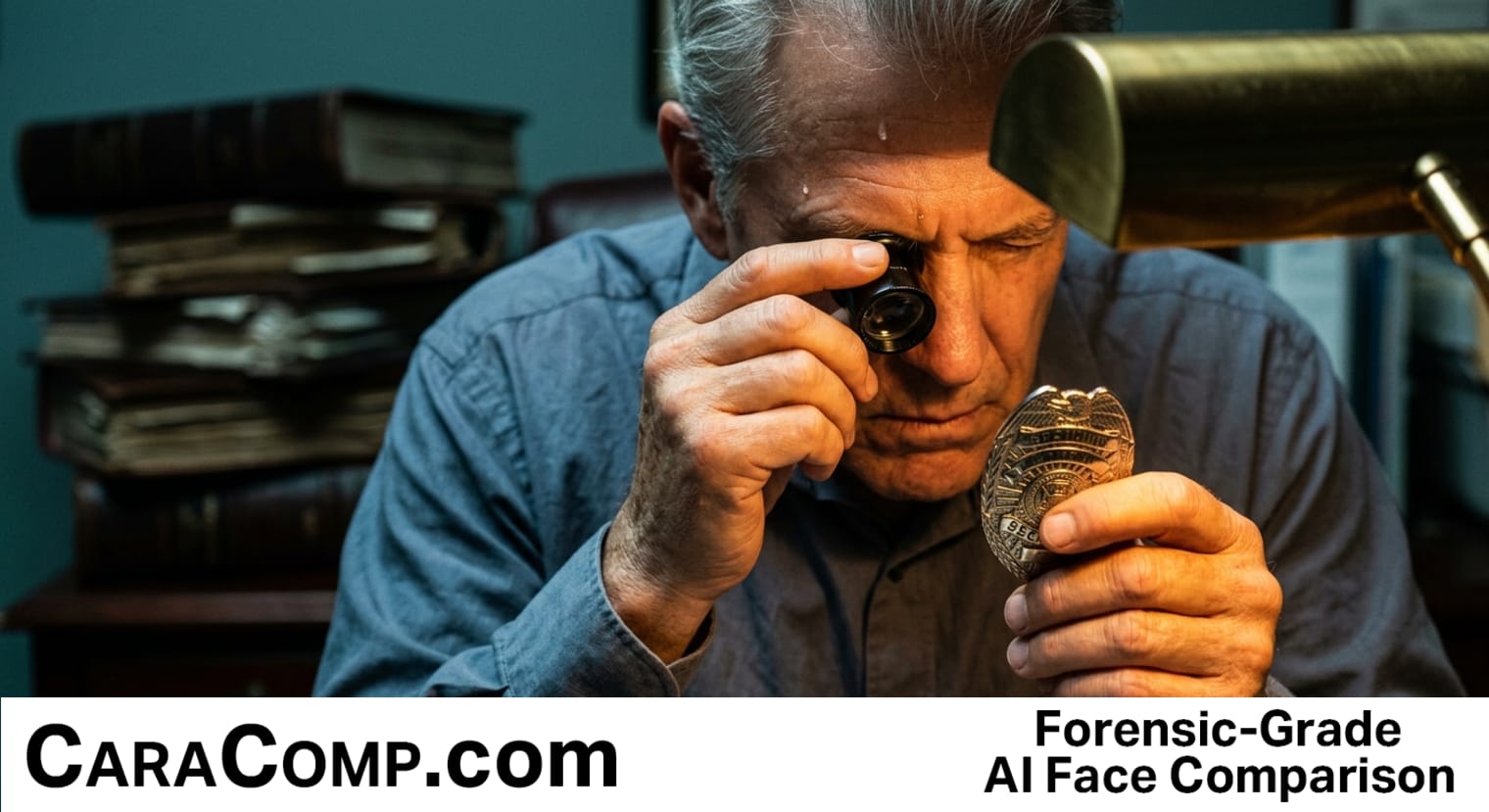
Your eyes are being trained to spot a glitchy video or a warped lip-sync, but you’re likely ignoring the most dangerous deepfake on your screen: the "Verified" green checkmark. While the public remains obsessed with AI-generated faces, the real threat to investigators and OSINT professionals is the forgery of digital trust signals. If an attacker can fake the digital signature on an "approved" software update, they can bypass your entire security stack. For those of us in the investigation technology field, this is a loud wake-up call that "automated trust" is a myth.
For the solo private investigator or small firm, the lesson is clear: don't stake your reputation on a badge. Whether it's a software signature or a "match" icon on a consumer-grade facial search tool, these indicators are increasingly susceptible to manipulation. This is why we emphasize facial comparison over mere recognition. Comparison is about the evidence trail—using Euclidean distance analysis to prove a relationship between two images—rather than blindly trusting an algorithm that shouts "100% Match!" without showing its work.
When software is "deepfaked" with a stolen signing key, the door to your case files swings wide open. This same vulnerability exists in the tools you use. If you rely on cheap, consumer-grade face search sites with poor reliability scores, you are essentially letting a "deepfaked" trust signal lead your investigation. Professional-grade investigation technology must provide more than a result; it must provide a court-ready audit trail that stands up to scrutiny when the digital signatures fail.
- Trust signals are the new attack surface: As digital signatures and "verified" badges become the targets of sophisticated forgeries, investigators must treat every "automated match" as a suggestion, not a fact.
- Evidence trails beat badges: Professional investigation requires a move away from "black box" tools toward systems that log and report every step of the comparison, ensuring your findings are based on data, not a hijacked seal of approval.
- The "Validation Gap" is widening: Solo PIs and small firms are the most at risk when they use tools that lack enterprise-grade Euclidean distance analysis, as they often lack the technical resources to verify the "stamps" on the software they download.
The scariest deepfake isn't the one that looks a little off; it's the one that looks perfectly official. As an investigator, your job is to look past the badge and demand the data. At CaraComp, we believe the only trust that matters is the kind you can prove with a side-by-side analysis and a professional report.
Read the full article on CaraComp: The Scariest Deepfake Isn't a Face — It's the "Approved" Stamp on Your Company's Software


Comments
Post a Comment