That "Virtual Try-On" for Glasses? A Court Just Ruled It's Scanning Your Face — Not Your Health
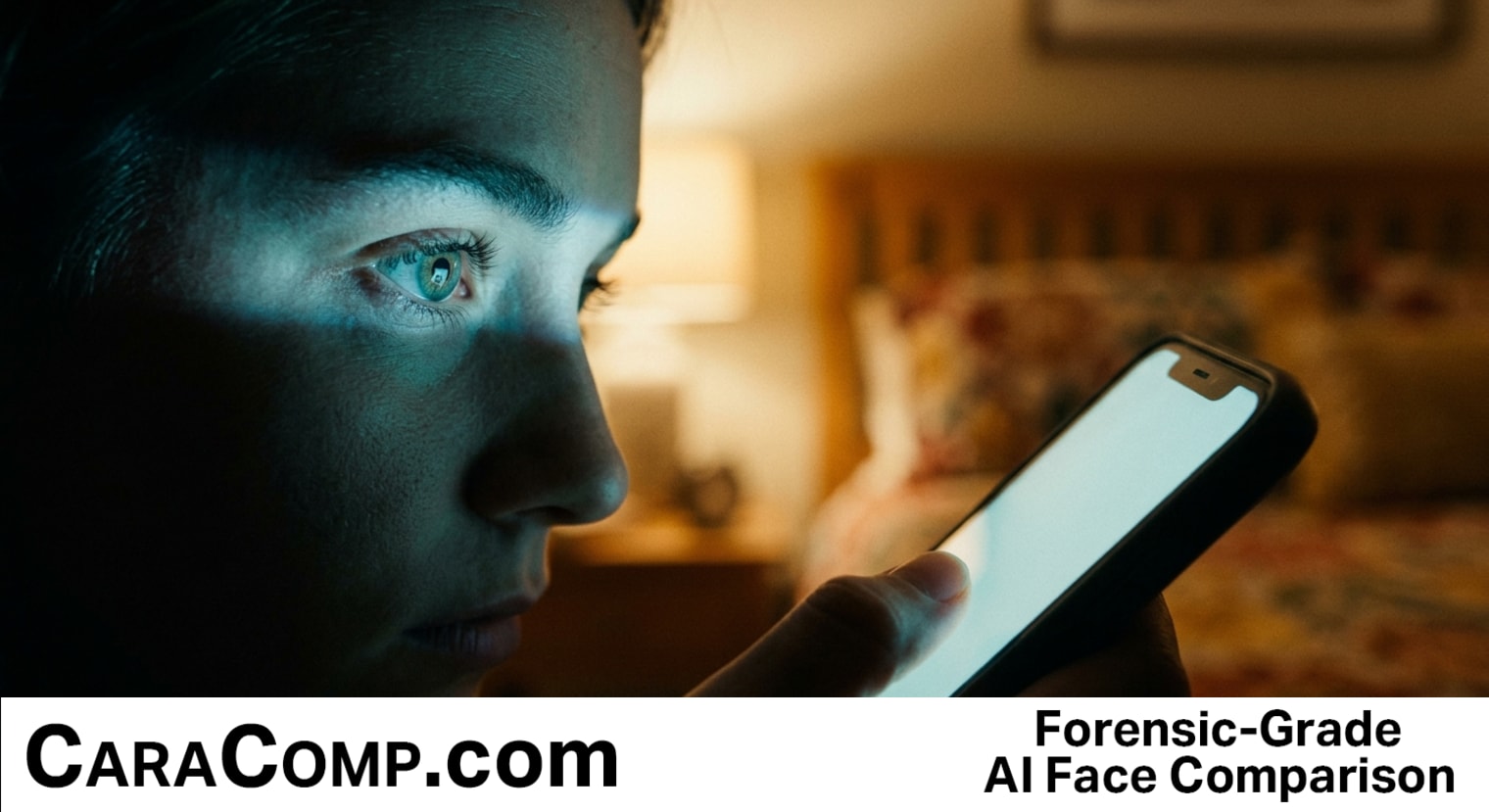
The "healthcare" loophole just slammed shut on the eyewear industry, and it’s a wake-up call for anyone who thinks a "virtual try-on" is just a harmless camera trick. By ruling that mapping a face for frames is "aesthetic" rather than "medical," the 7th Circuit Court of Appeals has exposed the lazy legal strategy many retail tech firms use to dodge biometric privacy laws. At CaraComp, we’ve always maintained the distinction between professional facial comparison and reckless data harvesting, and the courts are finally catching up to that reality.
For years, companies have hidden behind the healthcare exemption to collect facial geometry without the explicit, informed consent required by statutes like BIPA. They’ve treated your biometric signature—the most permanent, unchangeable password you own—like a disposable marketing asset. This ruling effectively kills the "we're basically a doctor" defense for any app that doesn't actually provide clinical treatment. If a tool isn't being used by a licensed professional to diagnose a condition, it's just data collection, plain and simple.
For the private investigator, OSINT researcher, or law enforcement professional, this shifting legal landscape is critical. If you are still relying on consumer-grade apps or "free" search tools that play fast and loose with data collection and user privacy, you are building your case on a foundation of sand. The industry is moving toward a standard where the distinction between surveillance and comparison is everything. Professional facial comparison isn't about scanning a crowd or tricking a consumer into a face scan for a "try-on" gimmick; it’s about the precise, Euclidean distance analysis of specific images within a controlled, professional investigation.
Key implications for the investigative community:
- The "Healthcare" Shield is Dead: Any tool claiming to be exempt from biometric privacy rules because it's "health-related" or "wellness-adjacent" is now a massive legal liability for the user.
- Consent is the New Minimum: As legal loopholes narrow, the only defensible investigative methodologies will be those that prioritize transparent analysis over clandestine data scraping.
- Professionalism vs. Gimmicks: There is a widening gap between "fun" consumer face-mapping and court-ready facial comparison; investigators must choose tools built for the latter.
The days of playing fast and loose with biometric signatures under the guise of convenience are over. Investigators need to trade their "free" shortcuts for enterprise-grade comparison technology that understands the legal and ethical weight of a face scan. When the court draws a line in the sand, you want to be on the right side of the evidence.
Read the full article on CaraComp: That "Virtual Try-On" for Glasses? A Court Just Ruled It's Scanning Your Face — Not Your Health


Comments
Post a Comment