That "Verify Your ID" Email From a Recruiter? Read This Before You Upload Anything
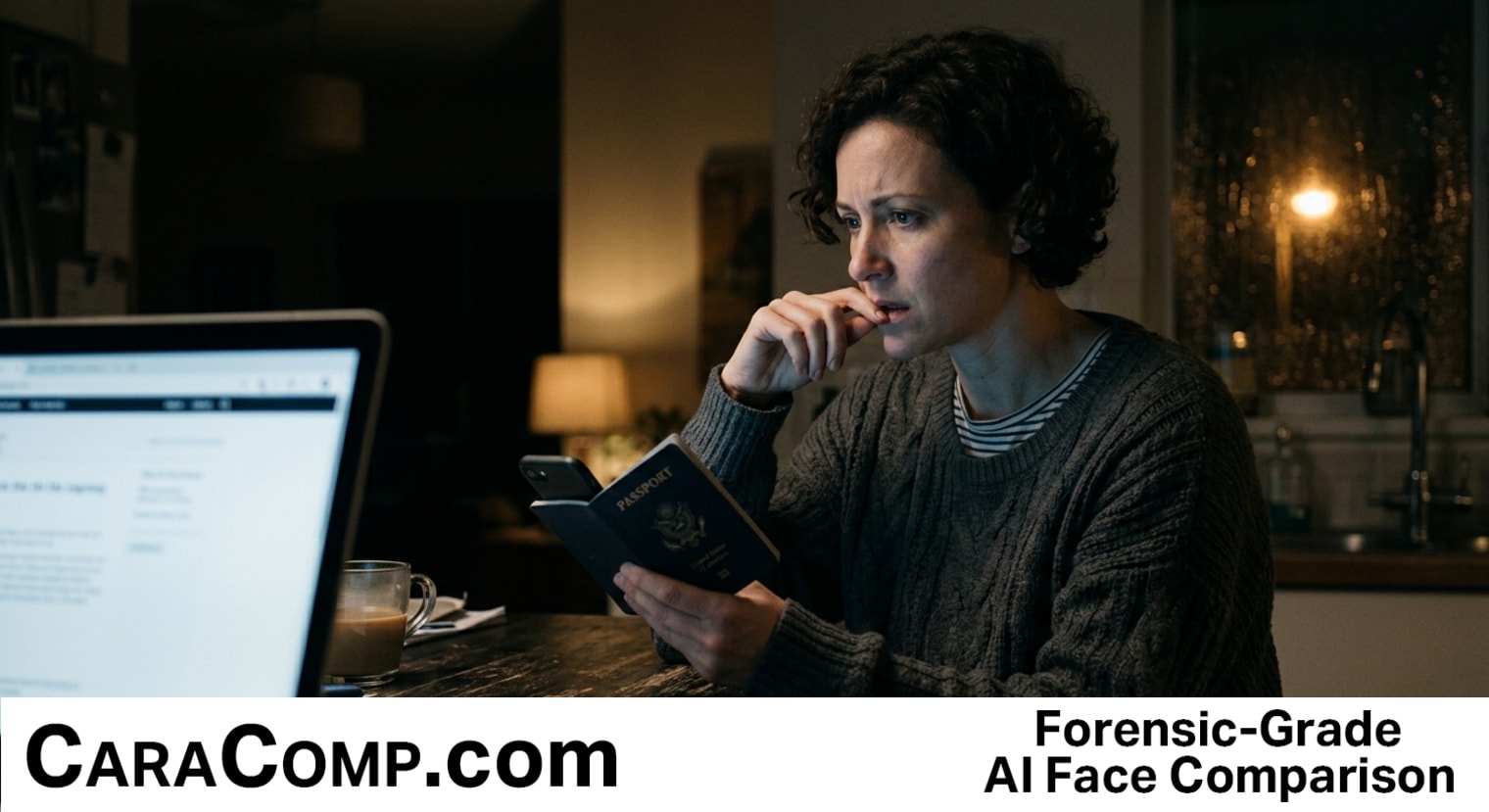
By 2028, one in four job applicants hitting your inbox might not exist. They aren't just padding their résumés; they are entirely fabricated AI entities, stolen credentials, and deepfake personas designed to infiltrate corporate payrolls. This isn't a "future" problem—it is a present-day authentication crisis that is turning the hiring process into a high-stakes investigation for every HR department and private investigator on the planet.
The rise of the "verification email" from recruiters is a direct response to this threat, but it has birthed a dangerous security paradox. While companies scramble to prove an applicant is a real human, scammers are weaponizing that very expectation. They are sending identical "verify your identity" requests to steal the driver’s licenses and biometric data of legitimate job seekers. For the modern investigator, this creates a double-sided battlefield: you are either hunting for "ghost" employees or tracing the digital breadcrumbs of identity thieves who have mastered the art of the professional pivot.
From the perspective of a tech-savvy investigator, this confirms what we have been saying for years: automated "recognition" is a checkbox, but professional-grade facial comparison is the only way to close a case. When a Fortune 500 company accidentally hires a foreign agent or a "ringer" for a remote role, the failure isn't in the background check; it’s in the lack of precise, side-by-side analysis. We are moving toward a world where "Euclidean distance analysis" isn't just a technical term—it’s a necessary investigative protocol to distinguish a real person from an AI-generated mismatch.
- The "Ghost Employee" is the new corporate espionage threat — If 25% of applicants are fake, the risk of "ringers" performing interviews for unqualified (or malicious) actors becomes a standard investigative hurdle.
- Sequence is the ultimate red flag — Professional investigators know that legitimate identity verification happens after human contact; any request for biometric data before a face-to-face meeting is a high-probability identity harvest.
- Facial comparison is replacing simple recognition — Simple AI "checks" are being bypassed by deepfakes, requiring investigators to use enterprise-grade comparison tools to provide court-ready evidence of fraud.
We are seeing the death of "good enough" verification. If you aren't using professional tools to compare faces across case photos, you’re essentially guessing. In a landscape where one in four people is a fiction, guessing is a liability you can't afford.
Read the full article on CaraComp: That "Verify Your ID" Email From a Recruiter? Read This Before You Upload Anything


Comments
Post a Comment