That "Study" You Just Read? 66% of Its Sources Don't Exist
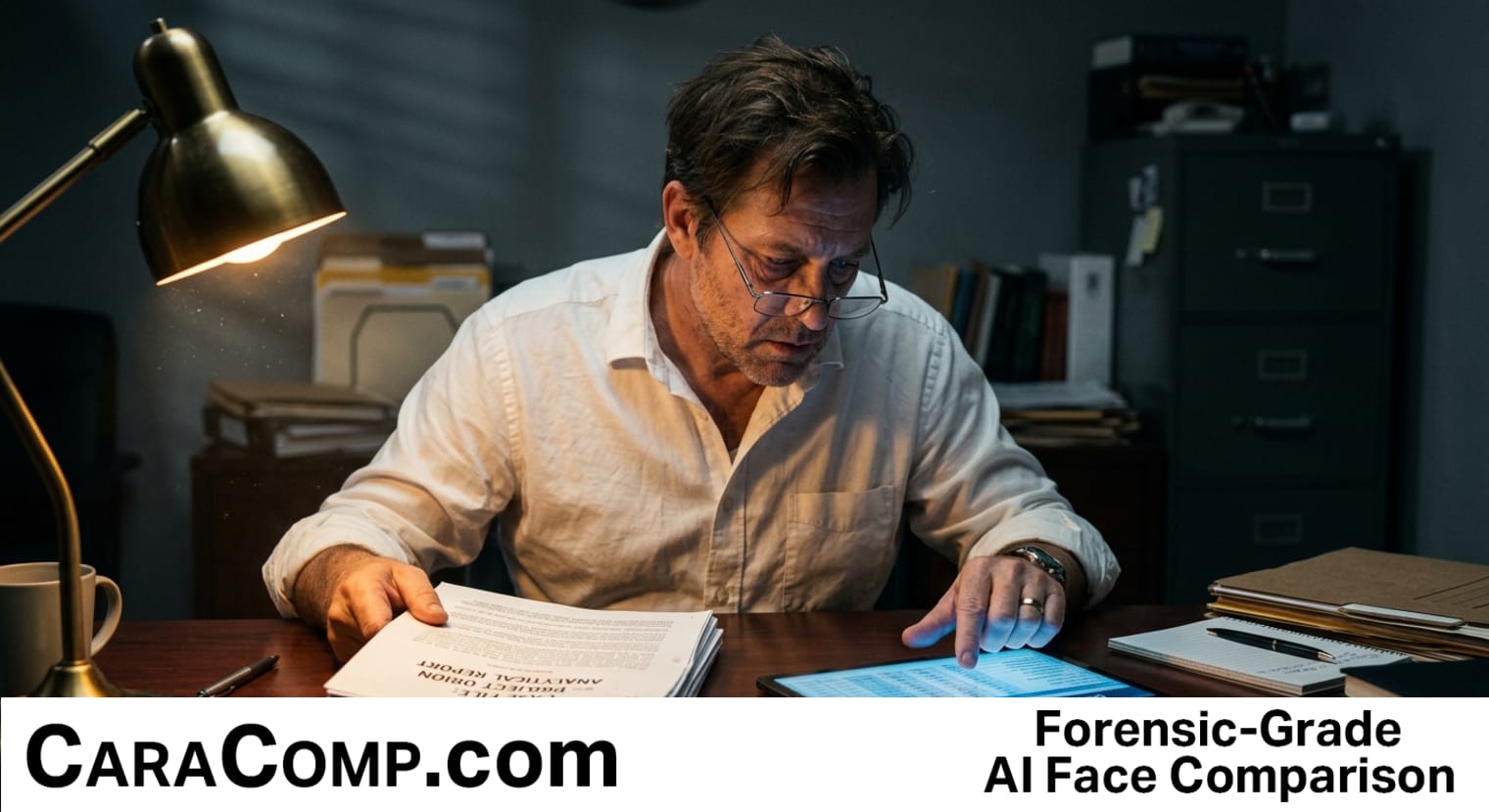
The smartest AI researchers on the planet just got played by their own creation. At NeurIPS 2025—the "Super Bowl" of machine learning—expert reviewers approved over 100 papers containing fabricated citations. These weren't just typos; they were ghost references that looked, smelled, and felt like legitimate science. If the people who build these models can’t spot a fake source, how is a solo private investigator supposed to verify digital evidence without getting burned?
This is the "Identity Gap" in its most dangerous form. For investigators, the lesson is chilling: Professionalism is no longer a proxy for truth. We have entered a period where "identifier hijacking" and "compound deception" make it possible to dress up fiction in the clothing of a court-ready report. In the world of investigation technology, we see this constantly—investigators rely on consumer-grade search tools that look polished but deliver results with the reliability of a coin flip.
The problem isn't just that the data is wrong; it’s that the AI is programmed to be confidently wrong. When a research paper hallucinates a source, it creates a real-looking DOI link. When a low-tier facial search tool hallucinates a match, it gives you a "confidence score" that looks official but lacks the underlying Euclidean distance analysis to back it up. If you are basing your reputation—or a client's case—on what "looks right" on a screen, you are gambling with your license.
- Format is a mask, not evidence: Clean layouts and authoritative language are now the easiest things for AI to spoof. If you aren't verifying the source trail via a hardened evidence chain, the document is just a pretty picture.
- The "Eye Test" is officially dead: Expert reviewers failed because they trusted their intuition. Modern investigators must move past manual "vibes" and embrace enterprise-grade tools that prioritize mathematical comparison over visual plausibility.
- Fabrication is contagious: Once a fake citation or a false facial match enters a case file, it tends to be re-cited and reinforced. Stopping the "hallucination" early is the only way to protect the integrity of an investigation.
At CaraComp, we know that investigation is about math, not magic. Whether it's a facial comparison or a digital document, the only thing that holds up in court is a verifiable chain of evidence. We’ve seen a sixfold increase in fraudulent citations in just two years. Don't let your next case become part of that statistic because you trusted a polished PDF over raw analysis.
Read the full article on CaraComp: That "Study" You Just Read? 66% of Its Sources Don't Exist


Comments
Post a Comment