That "Real" Face on Your TV? ESPN Just Proved You Can't Tell Anymore
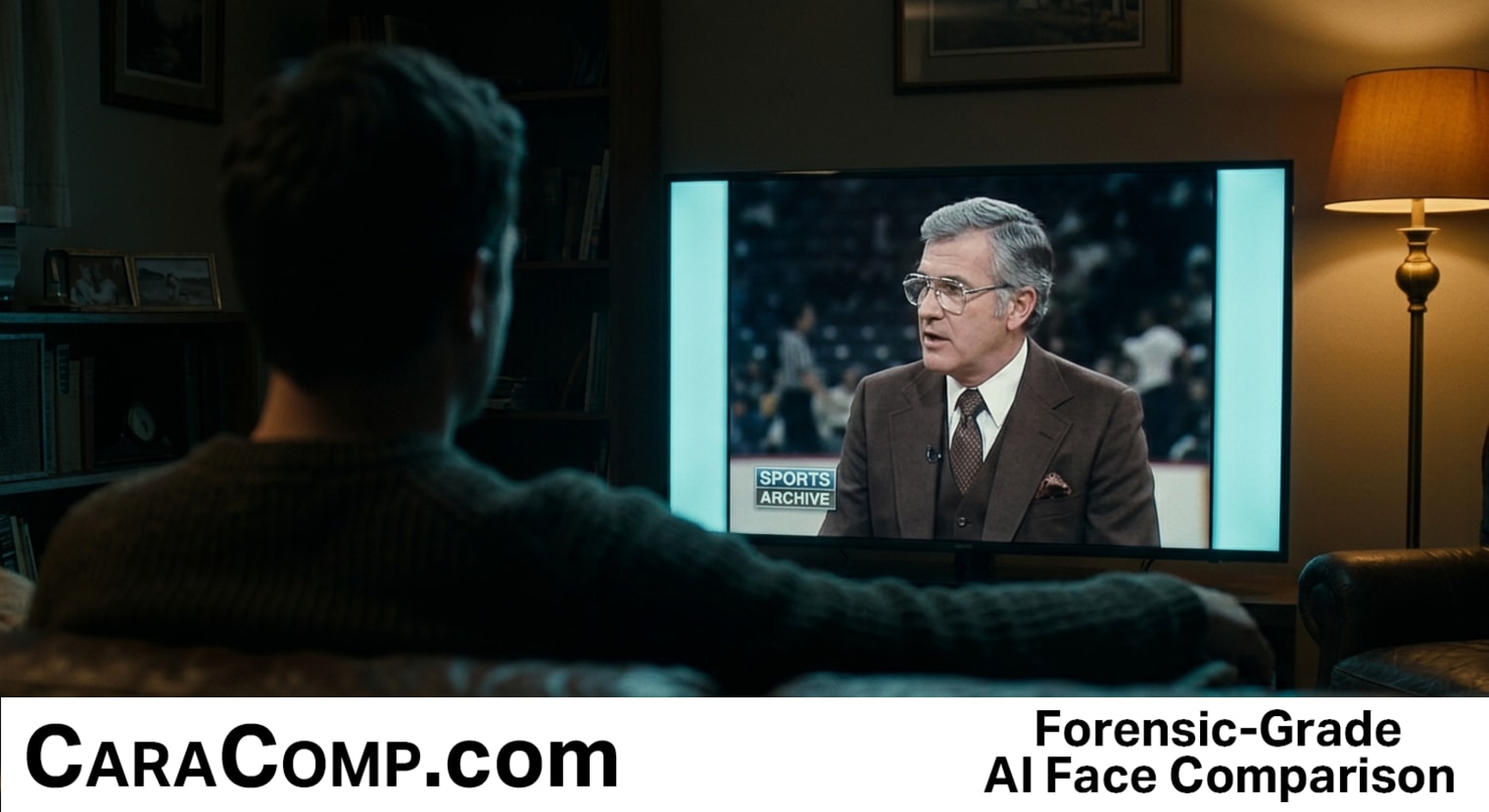
If a major network like ESPN can slip synthetic faces into a prime-time documentary without most viewers blinking, the "eyeball test" for professional investigators is officially obsolete. When "stylized" deepfakes become a standard production tool rather than a fringe scam, the barrier between archival truth and AI-generated fiction evaporates. For the solo private investigator or OSINT researcher, this isn’t just a tech trend—it’s a direct threat to the integrity of visual evidence.
The ESPN case proves that we have reached the "indistinguishable threshold." By recreating historical figures Al Davis and Pete Rozelle, the network demonstrated that synthetic media is no longer about grainy, flickering glitches. It is about high-fidelity likenesses backed by million-dollar budgets. As the synthetic media market charges toward a $3.2 billion valuation by 2030, the "actors with wigs" era is being replaced by algorithms that can mimic a jawline or an iris with terrifying precision. If you are still relying on your gut instinct to compare a subject's face across two photos, you are bringing a knife to a nuclear fight.
For those of us in the investigative trenches, this shift changes the stakes of facial comparison. When human intuition fails, we need mathematics. The casual observer might see a "convincing" face, but an investigator needs to see the Euclidean distance analysis—the cold, hard geometric data that proves likeness regardless of lighting, age, or AI manipulation. While Hollywood uses this tech to blur reality for entertainment, sharp investigators must use enterprise-grade comparison tools to sharpen the truth for their clients.
- Visual intuition is now a liability: Manual comparison is no longer a professional standard; it is a guess. As deepfakes become mainstream, investigators must rely on biometric data points rather than "looks like" assessments to maintain credibility in court.
- The "Comparison vs. Recognition" distinction is the new legal frontline: While mass scanning is under fire, side-by-side facial comparison of specific case photos remains a vital, ethical investigative method. Proving a match requires a scientific audit trail, not just a screenshot.
- Affordable tech is the only way to keep pace: With synthetic media tools becoming cheaper for fraudsters, investigators cannot afford to be locked out by $2,000/year enterprise contracts. Access to high-level analysis is now a prerequisite for closing cases.
The "Real" face on your TV might be a math equation, and your next subject’s social media profile might be the same. The question isn't whether you can spot the fake—it's whether you have the tools to prove it when it matters most.
Read the full article on CaraComp: That "Real" Face on Your TV? ESPN Just Proved You Can't Tell Anymore


Comments
Post a Comment