That "Quick Selfie to Verify" Could Be Handing Scammers Your Face
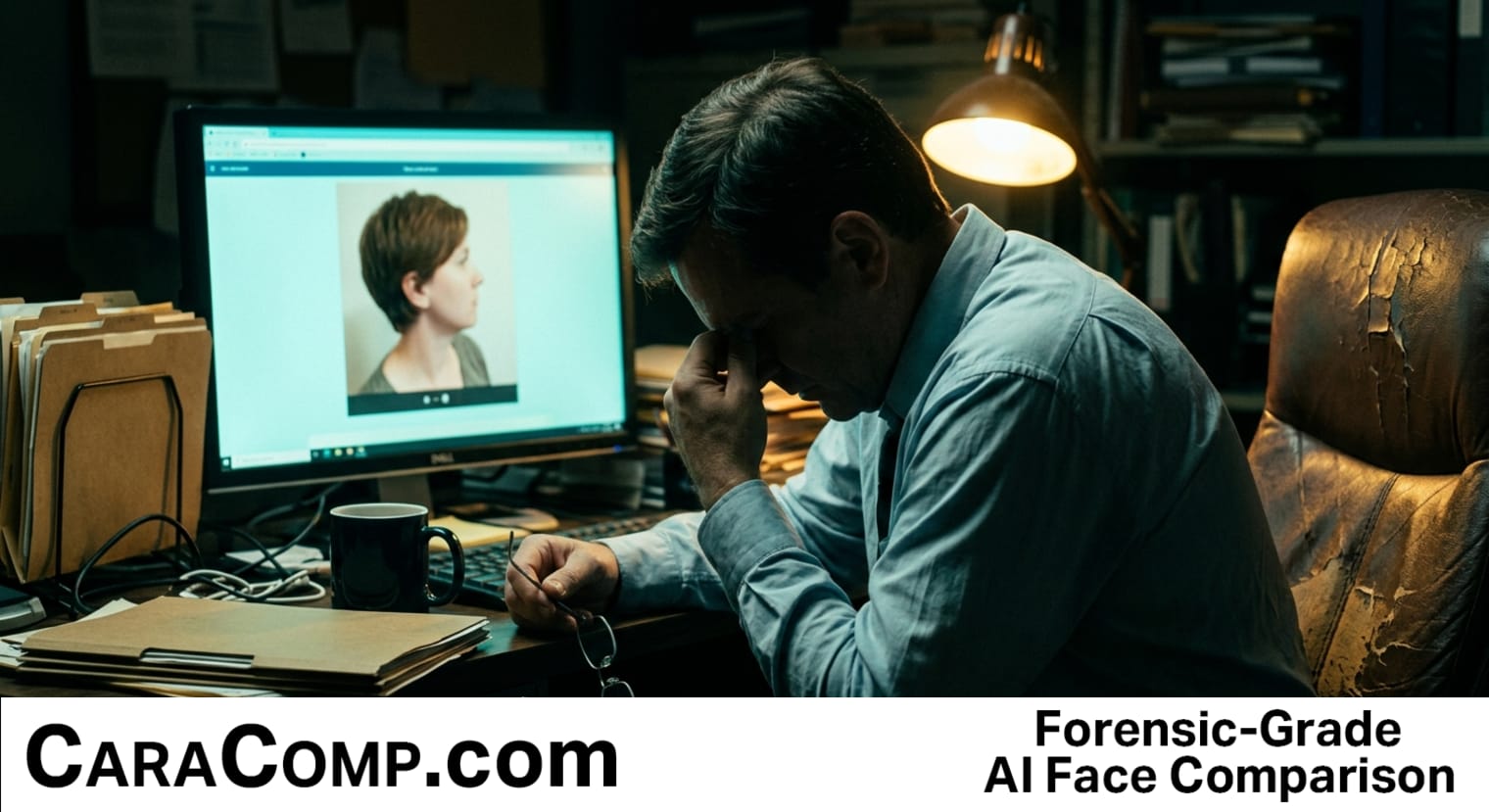
The "verified" badge on a profile has officially become a liability. If you think a quick "blink-and-nod" video is still a gold standard for identity, you’re operating on outdated intel. Recent data shows a staggering 180% surge in deepfake fraud attacks targeting the very verification steps we used to trust. When a scammer can buy a fully functional synthetic identity—complete with a "liveness" video that passes biometric checks—for the price of a latte, the investigative landscape has fundamentally shifted.
For private investigators and OSINT professionals, this isn't just a tech trend; it’s a professional crisis. We are seeing a 495% projected surge in these attacks through 2026. If 1 in every 100 identity check failures now involves a deepfake, your manual "gut feeling" during a case analysis is no longer a viable defense. You can't just look at a photo and assume it matches the subject's ID anymore. The human eye is being systematically defeated by $5 AI tools that replicate facial muscles and micro-movements with terrifying precision.
At CaraComp, we see this as the definitive end of the "manual comparison" era. Investigators who still spend hours squinting at side-by-side photos are not just wasting time—they are risking their reputations on evidence that might be synthetically altered. The only way to counter high-speed AI fraud is with high-speed, science-based facial comparison. This is why Euclidean distance analysis is becoming the industry standard. It moves the conversation from "Does this look like him?" to "Do the mathematical coordinates of these facial features align within a professional margin of error?"
- The Death of Visual Trust: Manual verification is becoming a relic. Investigators must pivot to Euclidean distance analysis to distinguish between real subjects and $5 synthetic identities that bypass standard "liveness" checks.
- Evidence Admissibility: As deepfakes become more prevalent, "I think they look similar" won't hold up in court. Professional, data-backed comparison reports are the only way to safeguard your case results against the surge of AI-generated fraud.
- The Verification Trap: Scammers are now using fake verification requests to harvest real biometric data. Investigators must be hyper-vigilant when advising clients on "official" requests for selfies or ID snapshots.
The industry is at a crossroads. You can either fall behind the 495% surge in deepfake complexity or adopt the same caliber of technology used by federal agencies. The difference is that you don't need a six-figure budget to get it right; you just need the right tools to verify the truth.
Read the full article on CaraComp: That "Quick Selfie to Verify" Could Be Handing Scammers Your Face


Comments
Post a Comment