That "Quick" Age Check? It's Quietly Building a File on You
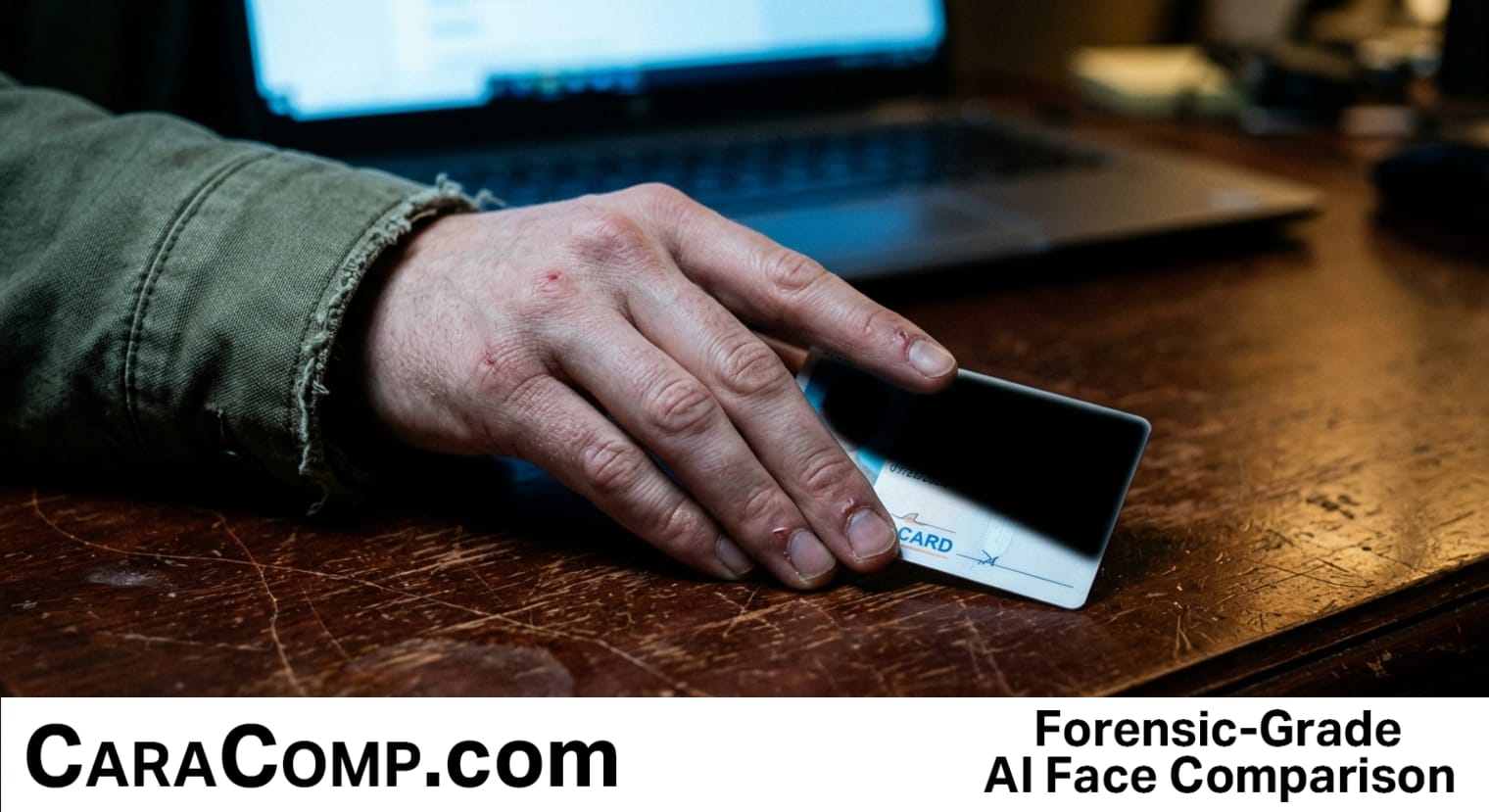
Your chatbot has already decided how old you are before you even think about uploading an ID. While you’re debating whether to share a selfie for a "quick check," the system has likely been analyzing your syntax and conversation patterns to build a behavioral profile in the background. This isn’t a simple gate; it’s the quiet construction of a biometric anchor that ties your private queries to your legal identity forever.
As investigators, we know the difference between data that helps close a case and data that simply hoards risk. The current trend of "facial age estimation" in consumer apps is a far cry from the professional-grade facial comparison we use in the field. When a platform uses AI to guess your age, it isn't just looking for a "yes" or "no" — it's creating a digital link between your face and your habits. For the solo investigator or OSINT professional, this highlights a massive shift: biometrics are moving from specialized tools into the hands of every consumer-facing corporation, but they’re doing it with a frighteningly high margin of error.
A 2.5-year margin of error might be acceptable for a social media filter, but it is a disaster for a professional investigation. We’ve seen how "cheap" consumer tools fail under pressure, providing unreliable results that wouldn’t hold up in a professional report, let alone a courtroom. The real danger here isn't just the check itself; it's the "identity anchoring" that occurs when a platform keeps that data. Once your government-issued ID is tied to your account, every query you’ve ever made is no longer anonymous. It is a permanent, subpoena-ready record.
Key implications for the investigation industry:
- Biometric Anchoring is the new standard: Platforms are no longer satisfied with email logins; they want a facial "anchor" that links behavioral data to a verified legal identity, creating a goldmine for future OSINT discovery.
- Estimation is not Comparison: There is a massive technical gap between consumer-grade "age estimation" and professional Euclidean distance analysis used for actual case matching. One is a guess; the other is evidence.
- Shadow Profiling: Systems are making age determinations based on metadata and behavior before a user even consents to a scan, meaning the "investigation" of the user starts the moment they type their first prompt.
For the modern investigator, the takeaway is clear: as consumer platforms become more aggressive with biometric collection, the value of clean, court-ready comparison tools only grows. We don’t need more data hoarding; we need precise analysis that respects the boundary between a tool and a surveillance net.
Read the full article on CaraComp: That "Quick" Age Check? It's Quietly Building a File on You


Comments
Post a Comment