That "Live" Video of You? A Deepfake Can Blink on Command Now.
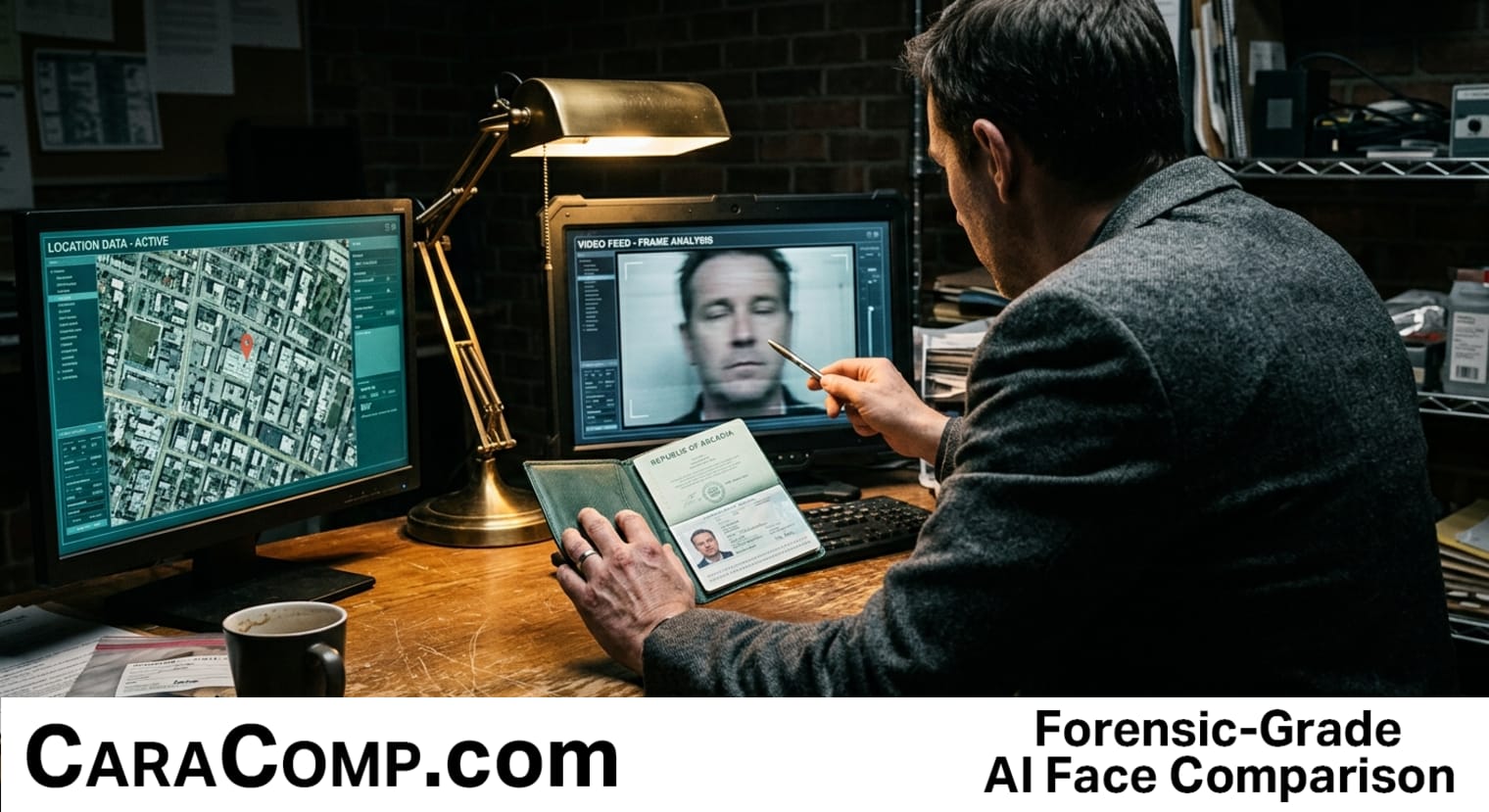
That high-resolution video of your subject blinking, nodding, and answering questions in real-time is a lie. Not a pre-recorded loop or a crude mask, but a digitally injected AI puppet that can bypass standard liveness detection with terrifying ease. For the modern private investigator, OSINT researcher, or insurance fraud specialist, this isn't just a tech curiosity—it is a direct threat to the integrity of your evidence and your reputation.
If you are still relying on "eyeballing" photos or using consumer-grade search tools with bottom-tier reliability ratings, you are effectively gambling with your client's trust. When a deepfake can simulate natural movement and respond to "live" prompts, the "seeing is believing" era of investigation is officially dead. The only thing that holds up in a world of AI-generated deception is cold, hard math. This is why Euclidean distance analysis has become the baseline for professional-grade facial comparison. It doesn’t get distracted by a blink, a smile, or a lighting shift; it measures the immutable geometry of the face to determine a match with mathematical certainty.
For solo investigators and small firms, the shift toward layered identity assurance is a wake-up call. You can no longer afford to be "behind the curve" on tech when the fraudsters you are chasing are using real-time AI. The gap between enterprise-level tools and manual methods has reached a breaking point. While federal agencies have used these comparison metrics for years, the democratization of this technology means that solo PIs can now wield the same level of analysis without the six-figure price tag. We are moving toward a future where every piece of visual evidence must be vetted by a secondary, data-backed layer of confirmation.
- The "Live" Feed is Compromised: Investigators can no longer treat video as an absolute truth. Digital injection attacks allow fakes to bypass the camera lens entirely, meaning side-by-side facial comparison against known, static biological data is the only way to verify a subject.
- Professional Tools are No Longer Optional: As the volume of deepfakes explodes, manual comparison is a liability. Using professional-grade Euclidean distance analysis is the only way to produce court-ready reports that stand up to the scrutiny of modern digital fraud.
At CaraComp, we believe that high-stakes investigation requires high-fidelity tools. You shouldn't need an enterprise-level budget to protect yourself from AI-driven deception. We’ve built the analysis power you need to stay ahead of the fakes, ensuring your case results are based on data, not a visual trick.
Read the full article on CaraComp: That "Live" Video of You? A Deepfake Can Blink on Command Now.


Comments
Post a Comment