That Kiosk Isn't Just Checking Your Face — It's Guessing Your Mood
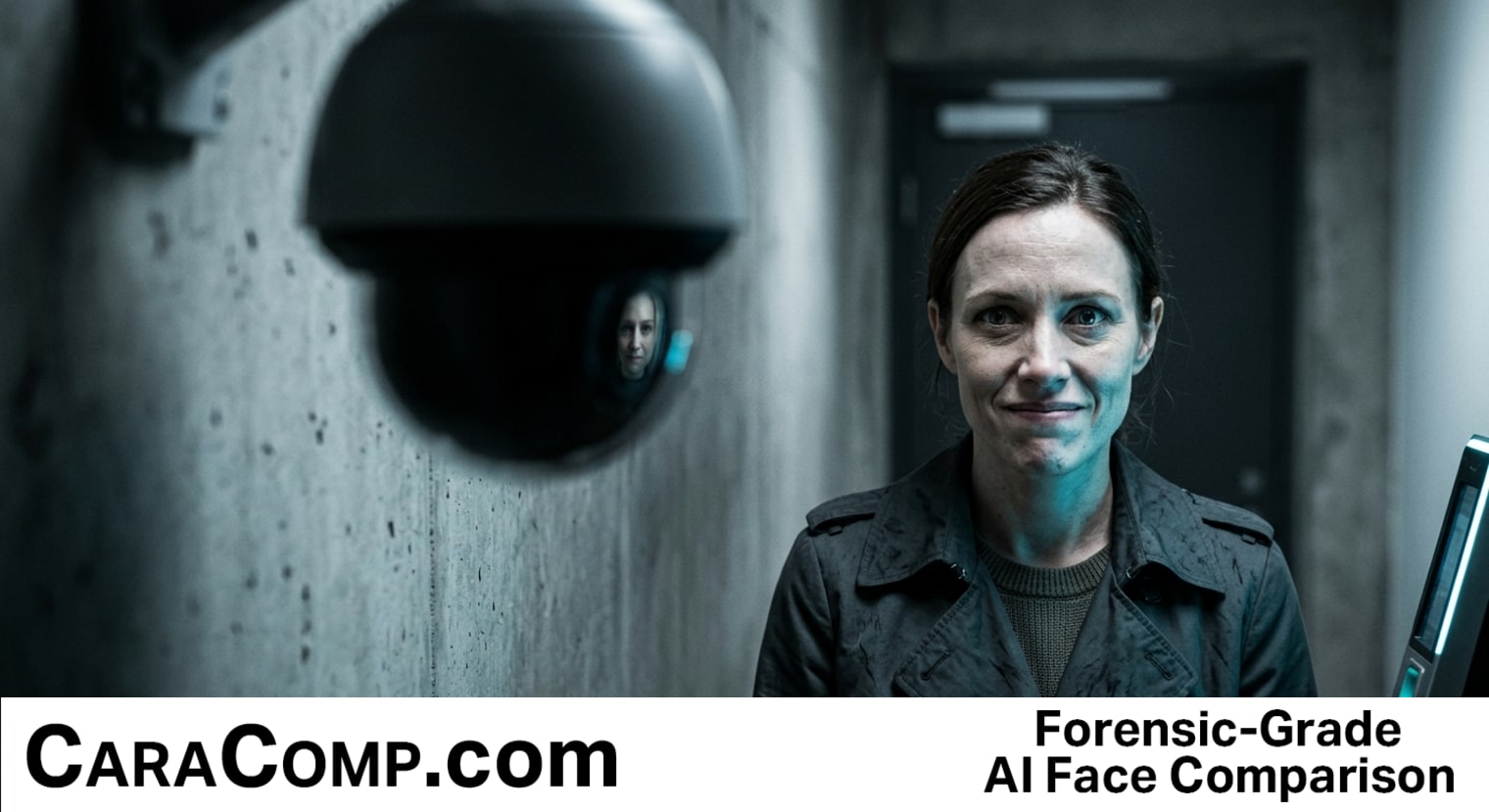
The next time you walk past a biometric kiosk, it might not just be checking your identity—it might be gambling on your state of mind. New regulations, particularly the EU AI Act, are finally drawing a line in the sand between facial comparison (mathematics) and emotion recognition (subjective guesswork). While some systems are built to deduce if a subject is "nervous" or "disengaged" based on a brow furrow, regulators are realizing that these algorithmic guesses are often just high-tech profiling dressed up as data.
For the professional investigator, this distinction is everything. We don't care if a subject "looks" guilty; we care if the person in Photo A is mathematically the same individual in Photo B. The shift toward banning "mood-guessing" AI in workplaces and schools highlights a massive integrity gap in the industry. It proves that when AI tries to play psychologist, it fails—but when it stays in its lane as a tool for Euclidean distance analysis, it becomes an objective powerhouse for case analysis.
The real danger for solo PIs and OSINT researchers isn't the regulation of emotion AI; it’s the risk of being lumped in with it. As the "mood-guessing" market faces a reckoning, investigators must double down on tools that provide verifiable, court-ready analysis rather than subjective "vibe" checks. If you are still manually squinting at grainy photos for three hours to find a match, you aren’t just wasting time—you’re falling behind a curve that is rapidly moving toward standardized, mathematical verification.
The future of investigation technology isn't about scanning crowds or guessing feelings. It’s about taking the enterprise-grade Euclidean analysis that was once reserved for federal agencies with six-figure budgets and putting it into the hands of the solo operative. We are moving toward a world where "because the computer said so" is no longer an acceptable answer. You need professional-grade reporting that proves a facial match using cold, hard geometry, not a guess about someone’s inner life.
- The death of "black box" conclusions: Regulators are souring on AI that provides a verdict without a transparent explanation. Professional investigations will require tools that offer clear, distance-based metrics that hold up during cross-examination.
- A flight to objective comparison: As emotion-based AI faces bans, the industry will pivot toward "comparison-only" models that analyze fixed facial landmarks rather than transient, subjective expressions.
- Affordable tech parity: Solo PIs no longer have to choose between $2,000/year enterprise contracts and unreliable consumer tools; the new standard is mathematical comparison that provides agency-level results at a fraction of the cost.
Read the full article on CaraComp: That Kiosk Isn't Just Checking Your Face — It's Guessing Your Mood


Comments
Post a Comment