That Green "Verified" Checkmark Lies to You 76% of the Time
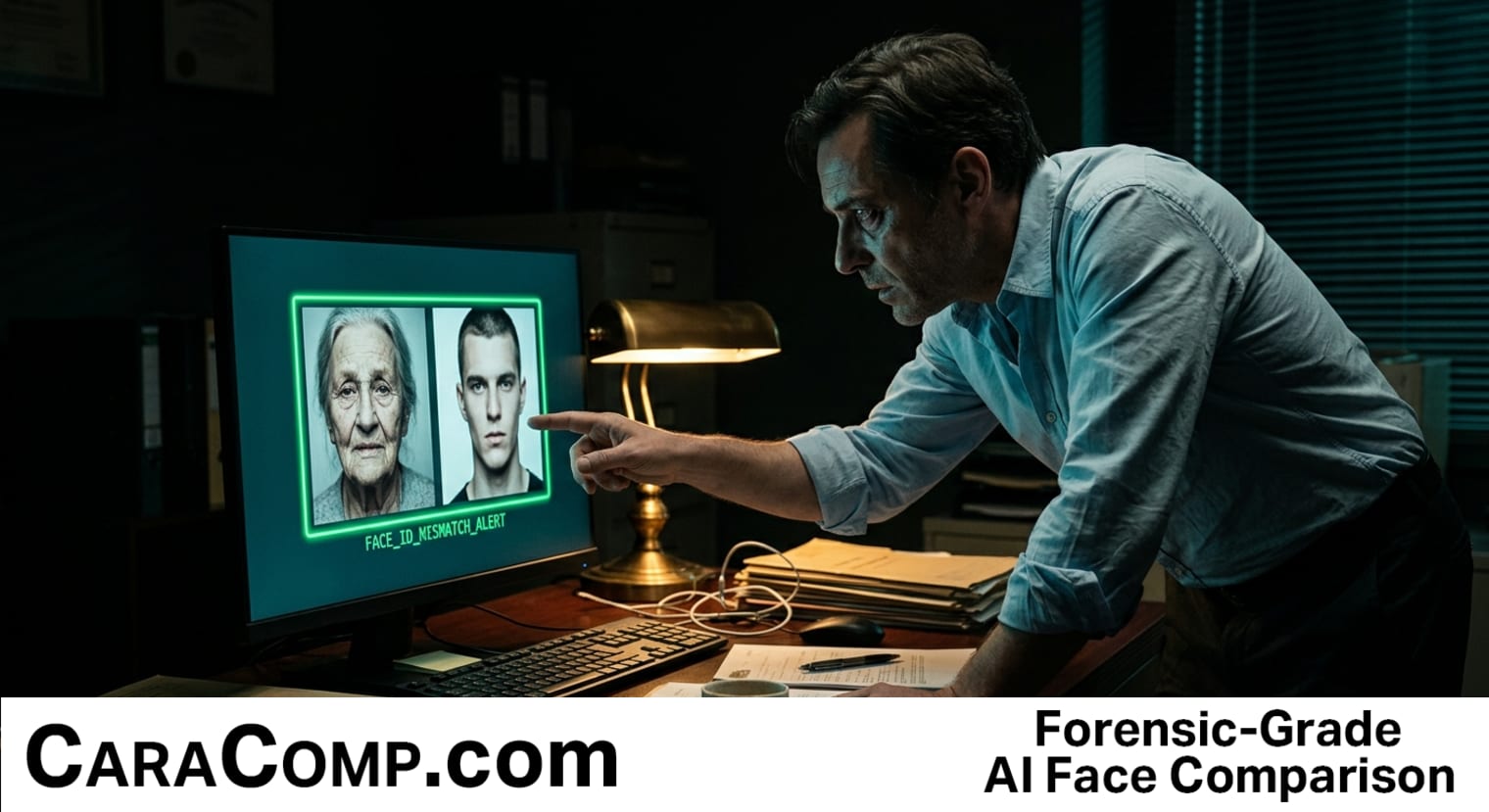
That green "verified" checkmark on your investigation screen isn’t a fact—it’s a statistical gamble that could blow up your entire case. While software vendors love to boast about "seamless automation," the reality of the 2025 DHS Remote Identity Validation Rally is a wake-up call for every private investigator and OSINT professional: the gap between the best and worst facial comparison systems is a staggering 87-fold difference in accuracy. If you are staking your professional reputation on a tool that "just works," you might actually be using a system that incorrectly accepts a wrong identity more than 76% of the time.
For the solo investigator or small PI firm, this isn't just a technical glitch; it’s a liability. We have seen a flood of consumer-grade tools enter the market that treat facial comparison like a game, hiding their "decision thresholds" behind friendly UI. In the field, there is no such thing as "close enough." When you are conducting insurance fraud investigations or identifying a subject from grainy CCTV, you don't need a black-box "Verified" stamp. You need raw Euclidean distance analysis—the actual mathematical distance between facial features—to determine if two images truly represent the same person.
The industry is currently split between overpriced enterprise contracts that cost $2,400 a year and "free" tools that have the reliability of a coin flip. Professionals are being squeezed. You’re either overpaying for government-level software or risking your credibility on tools that can’t distinguish between a subject and their cousin. This is why the shift toward transparent, court-ready facial comparison technology is the only path forward for the modern investigator. We have to stop treating AI as a judge and start treating it as a high-precision measurement tool.
- The "Verified" label is a recommendation, not a verdict — Automated systems use math to guess, and if your tool doesn't show you the Euclidean distance or provide a detailed report, you are flying blind.
- Accuracy is demographic-dependent — Many "enterprise" tools fail significantly more often on specific populations; professional investigators must use tools that provide consistent, batch-processed results across all case photos.
- Professionalism requires transparency — In court, "the app said it was him" will get your evidence tossed; you need investigation technology that produces professional reports based on verifiable side-by-side analysis.
The era of trusting "the computer" is over. We need to move back to human-led investigations powered by affordable, enterprise-grade math. If your current tool doesn't give you the data to back up its claims, it's time to stop paying for a green checkmark and start paying for actual results.
Read the full article on CaraComp: That Green "Verified" Checkmark Lies to You 76% of the Time


Comments
Post a Comment