That Attack Ad About Your Local Candidate? A Laptop Made It — and No One Has to Tell You.
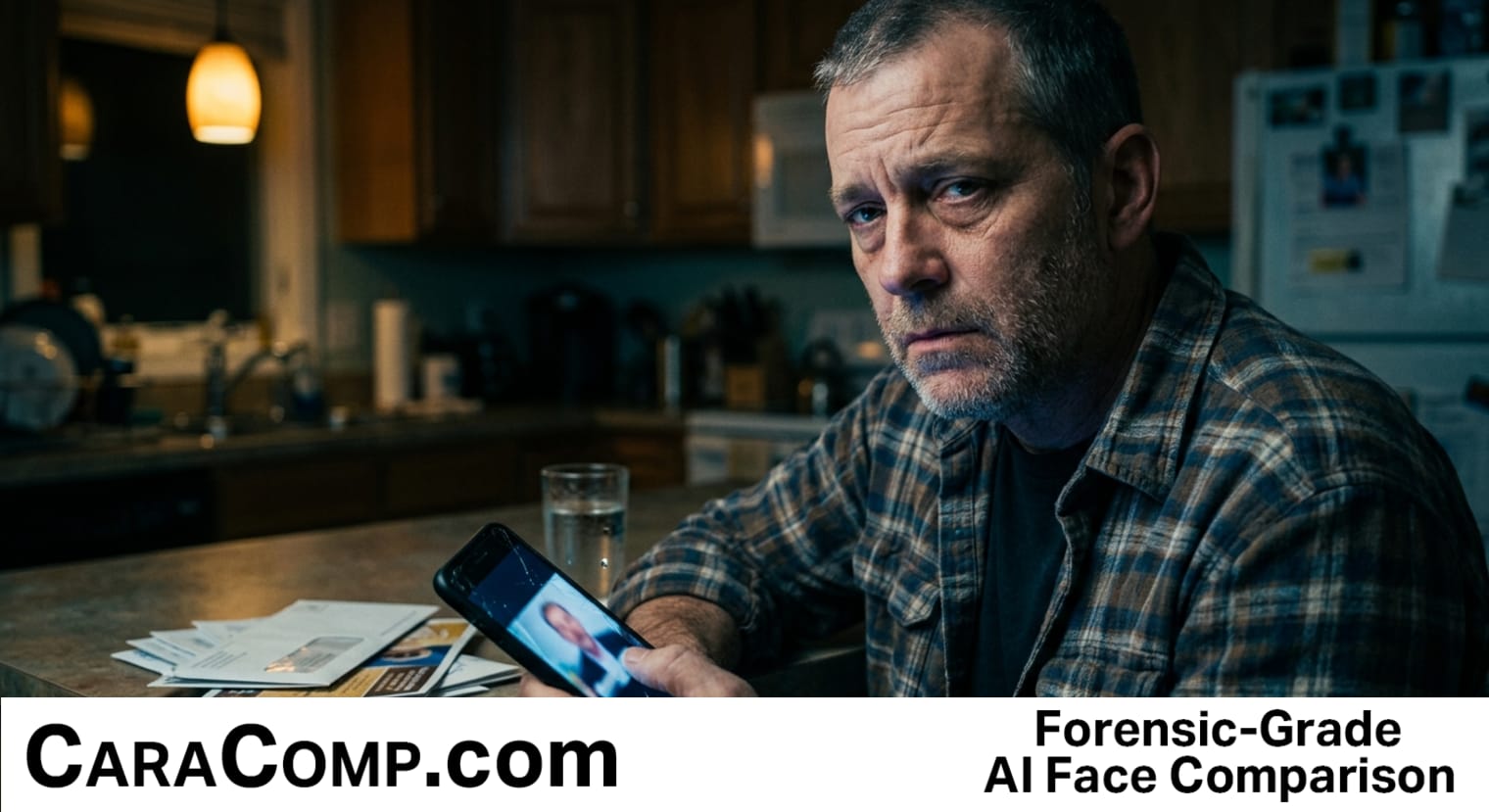
A local candidate in Missouri just proved that you don’t need a Hollywood budget or a federal-level campaign to fake reality—all you need is a laptop and a grudge. When a county-level politician successfully deploys fully synthetic campaign ads without a single disclosure label, the "deepfake" threat officially moves from the realm of national security to the desk of every solo private investigator and OSINT researcher in the country.
For years, investigators have operated on the assumption that visual evidence is the gold standard. That assumption is currently being shredded. If a local candidate can generate a convincing video of themselves or an opponent for pennies, imagine what a sophisticated subject of an insurance fraud investigation or a missing persons case can do to obscure the truth. The barrier to entry for synthetic media has collapsed, and most states are still sleeping at the wheel.
From an industry perspective, this is a massive wake-up call for how we handle case analysis. We are entering an era where manual facial comparison is not just slow; it’s dangerous. When the human eye can no longer reliably distinguish between a synthetic face and a real one, investigators cannot afford to rely on "gut feelings" or consumer-grade search tools that lack professional rigors. You need scientific methodology—specifically Euclidean distance analysis—to verify that the individual in your case file actually matches the subject in the field.
At CaraComp, we see this shift as a turning point for investigation technology. The Missouri story isn't just about politics; it’s about the death of the "eyeball test." If you aren't using enterprise-grade comparison tools to validate your findings, you are staking your reputation on a coin flip. Professional investigators need court-ready reports and batch processing capabilities to cut through the noise of a synthetic world.
- The "High-Tech" Advantage is Now a Requirement: As synthetic media becomes a tool for local actors, investigators who stick to manual methods will inevitably fall for high-quality fakes.
- Evidence Validation Must Evolve: Relying on visual identification alone is no longer enough for court-admissible reporting; you need data-backed Euclidean distance scores to prove a match.
- Affordability Dictates Survival: With tools this accessible to the general public, solo PIs must adopt professional facial comparison tech just to maintain a baseline of truth in their investigations.
The Missouri ad is a warning shot. The question isn't whether synthetic media will hit your next case—it's whether you have the tools to see through it when it does.
Read the full article on CaraComp: That Attack Ad About Your Local Candidate? A Laptop Made It — and No One Has to Tell You.


Comments
Post a Comment