That "99% Face Match" Unlocking Your Bank? Fraudsters Just Found the Skip Button.
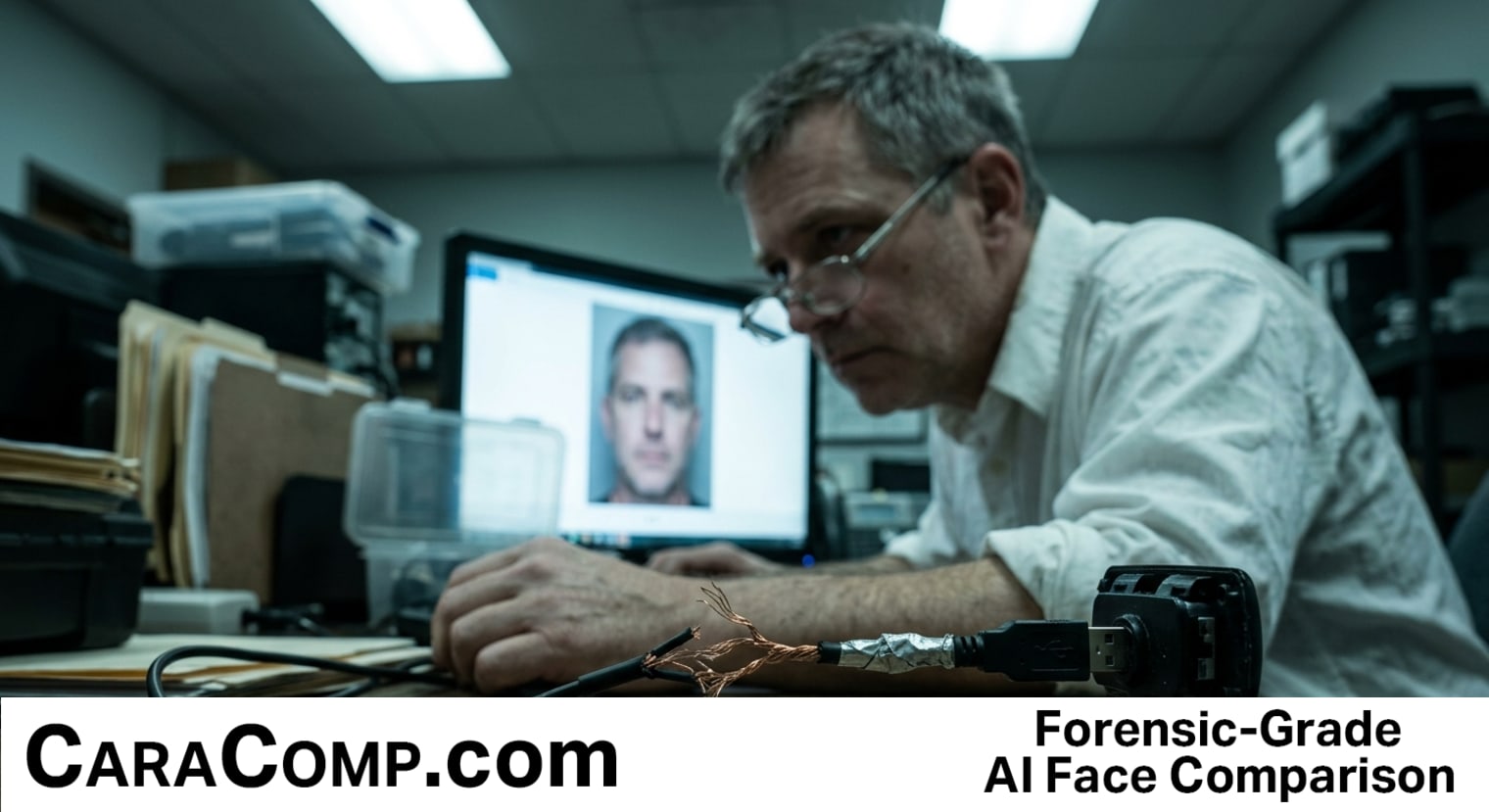
A 99.5% facial match score used to be the gold standard for an investigator. It was the "smoking gun" that tied a suspect to a scene or a claimant to a fraud. But in an environment where injection attacks—bypassing a physical camera to feed fake data directly into a system—have skyrocketed by over 1,150%, that high-confidence percentage has become a "skip button" for sophisticated fraudsters. For the modern private investigator or OSINT professional, a "perfect match" is no longer the end of the search; it’s the beginning of the scrutiny.
The industry is hitting a wall because most tools were built on a legacy assumption: if the face-map matches, the person is real. Fraudsters have figured out that you don't need to fool the camera if you can just fool the data pipeline. This is why solo investigators can no longer rely on consumer-grade search tools that offer "trust scores" without providing the underlying Euclidean distance analysis. When your reputation—and potentially a court case—is on the line, a proprietary black-box score isn't evidence; it's a liability.
At CaraComp, we see this shift as a call to return to methodology. Real investigative work isn't about letting an AI tell you "yes" or "no." It’s about having enterprise-grade comparison technology that lets you perform side-by-side analysis of your own case photos. Professional investigators don't need automated surveillance; they need affordable, high-precision tools that calculate the mathematical distance between facial features across different images to confirm or rule out identity with professional-grade reporting.
- Confidence scores are not identity proof: A 99% match on a deepfaked injection is still a 99% match. Investigators must look at the "capture integrity" of the source imagery before staking a case on a digital result.
- The "Enterprise Gap" is closing: You don't need a $2,000-a-year contract to access Euclidean distance analysis. Professional-grade facial comparison is now accessible to solo PIs, allowing them to debunk or confirm matches that consumer tools miss.
- Court-ready reporting is mandatory: As deepfakes become more prevalent, judges and clients will demand more than a screenshot. They need professional analysis that demonstrates a standard investigative methodology.
The era of blindly trusting a "match" is over. The future belongs to the investigator who uses technology to augment their expertise, not replace it. If you aren't looking at the math behind the face, you aren't doing an investigation—you’re taking a guess.
Read the full article on CaraComp: That "99% Face Match" Unlocking Your Bank? Fraudsters Just Found the Skip Button.


Comments
Post a Comment