That "99% Accurate" Badge Protecting Your Bank Account? It Expired Months Ago
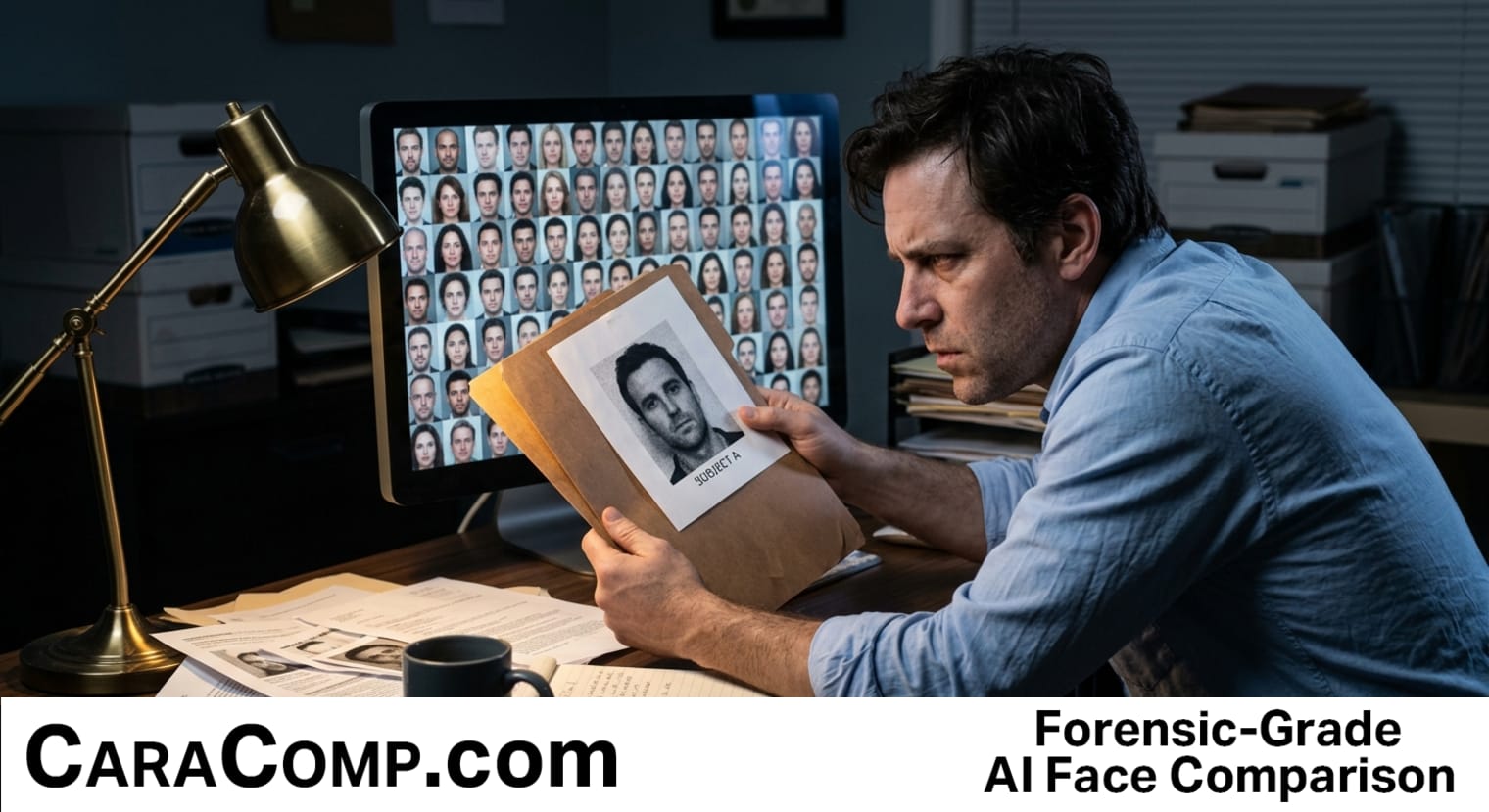
Most investigators are chasing a "99% accuracy" ghost that hasn't actually existed since last fiscal quarter. If a facial verification system was certified in January against known fraud methods, it was likely rendered obsolete by March when deepfakes and injection attacks evolved. In the world of professional investigation, an "AI-powered" accuracy badge is basically a carton of milk with a missing expiration date.
For the solo private investigator or OSINT researcher, this reality is a wake-up call. We are no longer in a world where you can buy a piece of software and assume it remains "the gold standard" for the duration of your subscription. Fraudsters are now operating like silicon valley startups, running automated A/B tests to see which synthetic identities slip through. When they find a gap, they scale it instantly. If your toolkit relies on static, black-box "recognition" rather than transparent, forensic-grade comparison, you’re bringing a paper shield to a drone fight.
The core issue for those of us in the field is the "accuracy trap." Too many investigators mistake a marketing department’s accuracy claim for a professional guarantee. In court, "The app said it was 99% sure" doesn't hold weight. What holds weight is Euclidean distance analysis—the hard math behind the pixels. It is the difference between an algorithm guessing a face and a professional performing a side-by-side comparison of specific biometric markers.
- Accuracy is a snapshot, not a feature: A tool’s reliability is tied strictly to the specific threats it was tested against at a single point in time. For investigators, this means your tech stack requires constant scrutiny, not blind trust.
- Comparison beats recognition for evidence: While "recognition" systems struggle to keep up with synthetic deepfakes, professional facial comparison focuses on the verifiable metrics between two images you already own, providing a more stable path for case analysis.
- Professional credibility is at stake: Using consumer-grade tools with high failure rates or outdated certifications puts your reputation on the line. Solo PIs need enterprise-grade forensic reporting that explains the "why" behind a match, not just a percentage score.
As the gap between "certified" and "effective" continues to widen, the smart money is moving toward tools that offer transparency over buzzwords. We don't need more "AI magic"; we need better data, lower costs, and reporting that stands up under cross-examination. Stop looking at the badge on the box and start looking at the methodology behind the match.
Read the full article on CaraComp: That "99% Accurate" Badge Protecting Your Bank Account? It Expired Months Ago


Comments
Post a Comment