Texas Wants Your ID Before You Download a Recipe App
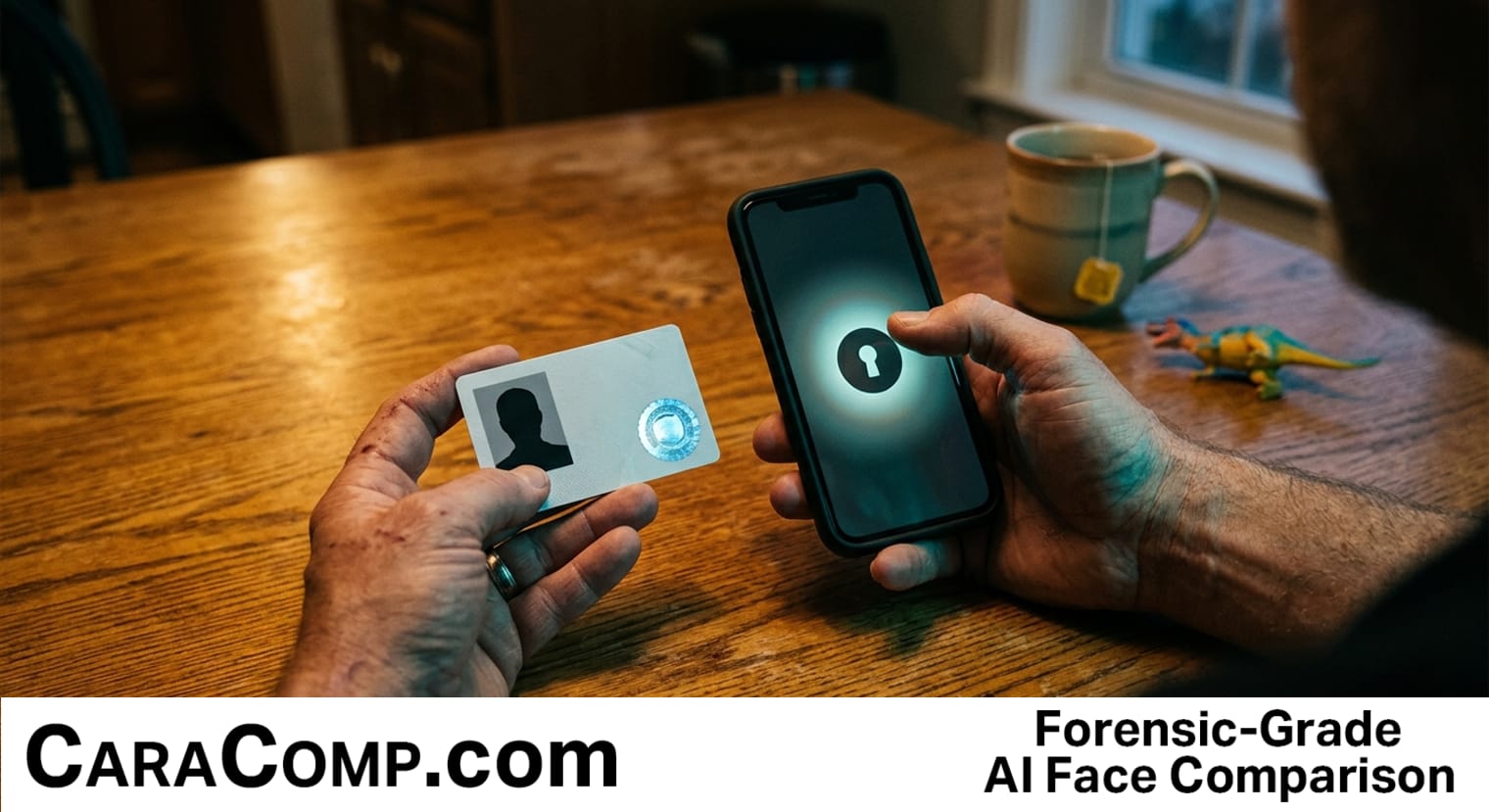
The next time you try to download a basic OSINT tool or even a simple utility app, Texas might demand to see your driver's license first. We are witnessing the end of digital anonymity in real-time, and it is happening under the guise of "app store accountability." Texas’s SB 2420 isn't just a minor regulatory hurdle; it is a massive shift toward mandatory identity checkpoints for every single digital interaction.
For those of us in the investigation and facial comparison industry, this trend is a double-edged sword. On one hand, it normalizes the use of biometric data and identity verification as a standard fact of life. On the other, it creates a massive influx of personal data that requires professional handling. While the public debates the ethics of age gates, investigators know the real story: the technology used to verify these identities—often relying on Euclidean distance analysis to match a "selfie" to a government ID—is moving from the shadows of federal agencies into the palm of every citizen's hand.
This law attempts to turn Apple and Google into state-mandated digital bouncers. If the Fifth Circuit allows this to stand, we are looking at a future where "proving who you are" is the prerequisite for "knowing anything." For the solo private investigator or the small firm detective, this reinforces a critical truth: professional facial comparison is no longer a "niche" tool. It is becoming the foundational methodology for navigating a world where every digital footprint is tied to a verified face. We aren't talking about broad-scale crowd scanning; we are talking about the essential, side-by-side comparison of known subjects—a practice that is quickly becoming standard investigative methodology.
Key Implications for Investigators:
- The Normalization of Biometric Friction: As users grow accustomed to providing facial data for mundane tasks, the psychological barrier to professional facial comparison in investigations will vanish, making "court-ready" biometric reporting more vital than ever.
- Increased Pressure on Data Reliability: With states mandating identity checks, the margin for error in facial comparison vanishes. Investigators cannot rely on consumer-grade tools with high false-positive rates when the legal stakes for identity are this high.
- The Shift from Recognition to Comparison: This law highlights the industry's pivot away from controversial mass scanning and toward legitimate, one-to-one facial comparison as a tool for verification and case analysis.
The infrastructure being built in Texas today will be the standard for the entire country tomorrow. Investigators who fail to adopt enterprise-grade comparison tech now will find themselves obsolete in a world where identity is the ultimate currency. We don’t need more "big brother" monitoring; we need the right tools to analyze the data we already have with precision and professional integrity.
Read the full article on CaraComp: Texas Wants Your ID Before You Download a Recipe App


Comments
Post a Comment