Singapore Just Killed the Password — And It's Costing Scammers $40 Million a Year
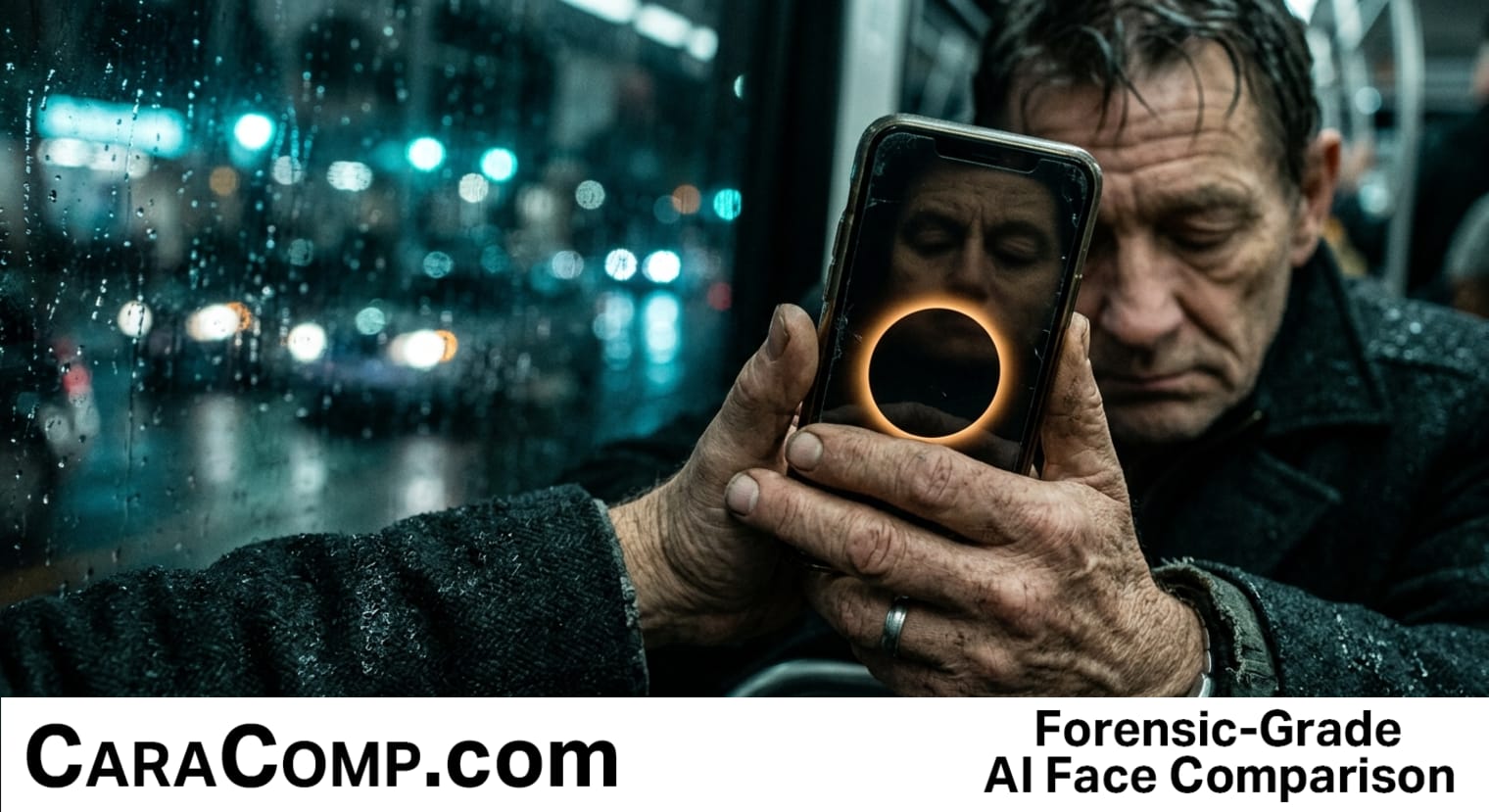
Singapore just admitted what every professional investigator already knows: the human element is the ultimate security flaw. By officially "killing" the password in favor of biometric passkeys for its Singpass system, the nation is responding to a staggering S$40 million annual loss to phishing. This move isn't just a tech upgrade; it is a total capitulation to the reality that "what you know" (passwords) is no longer a viable way to prove identity. For those of us in the investigation and OSINT space, this shift signals a massive, global pivot toward biometric-first environments where the face becomes the primary key to the digital kingdom.
While the world transitions to facial verification for access, the burden on investigators to analyze these same biometric markers grows exponentially. As scammers move away from stealing passwords and toward sophisticated identity fraud, the need for precise, side-by-side facial comparison becomes the new standard for closing cases. If governments are staking their national security on biometric handshakes, investigators can no longer rely on manual "eyeballing" or consumer-grade search tools with dismal reliability ratings. We are entering a phase where Euclidean distance analysis—the same math powering these national ID systems—is no longer a "nice to have" for elite agencies; it is a baseline requirement for any PI firm that wants to remain relevant.
The democratization of this technology is the next logical step. Singapore’s move proves that biometric tech is ready for the masses, yet many investigators still feel locked out by enterprise tools costing $2,000 a year. This gap is where cases are lost. We see a future where high-fidelity comparison is as accessible as the smartphone in your pocket, allowing solo investigators to match the technical caliber of federal agencies without the government-sized budget.
- The "Biometric Breadcrumb" Trail: As more services move to facial-based access, the digital footprint of subjects will increasingly revolve around biometric data, making facial comparison skills mandatory for modern OSINT.
- The Death of Manual Verification: Manual photo comparison is becoming a liability. When governments use math-based "handshakes" to verify identity, an investigator’s visual opinion won’t hold up in court without supporting Euclidean distance data.
- Affordability vs. Accuracy: The shift to biometric security will flood the market with cheap, unreliable tools. Professionals must distinguish between "recognition" gadgets and "comparison" tools that provide court-ready reporting.
Read the full article on CaraComp: Singapore Just Killed the Password — And It's Costing Scammers $40 Million a Year


Comments
Post a Comment