"It's Healthcare" Won't Save Your Face Scan Anymore
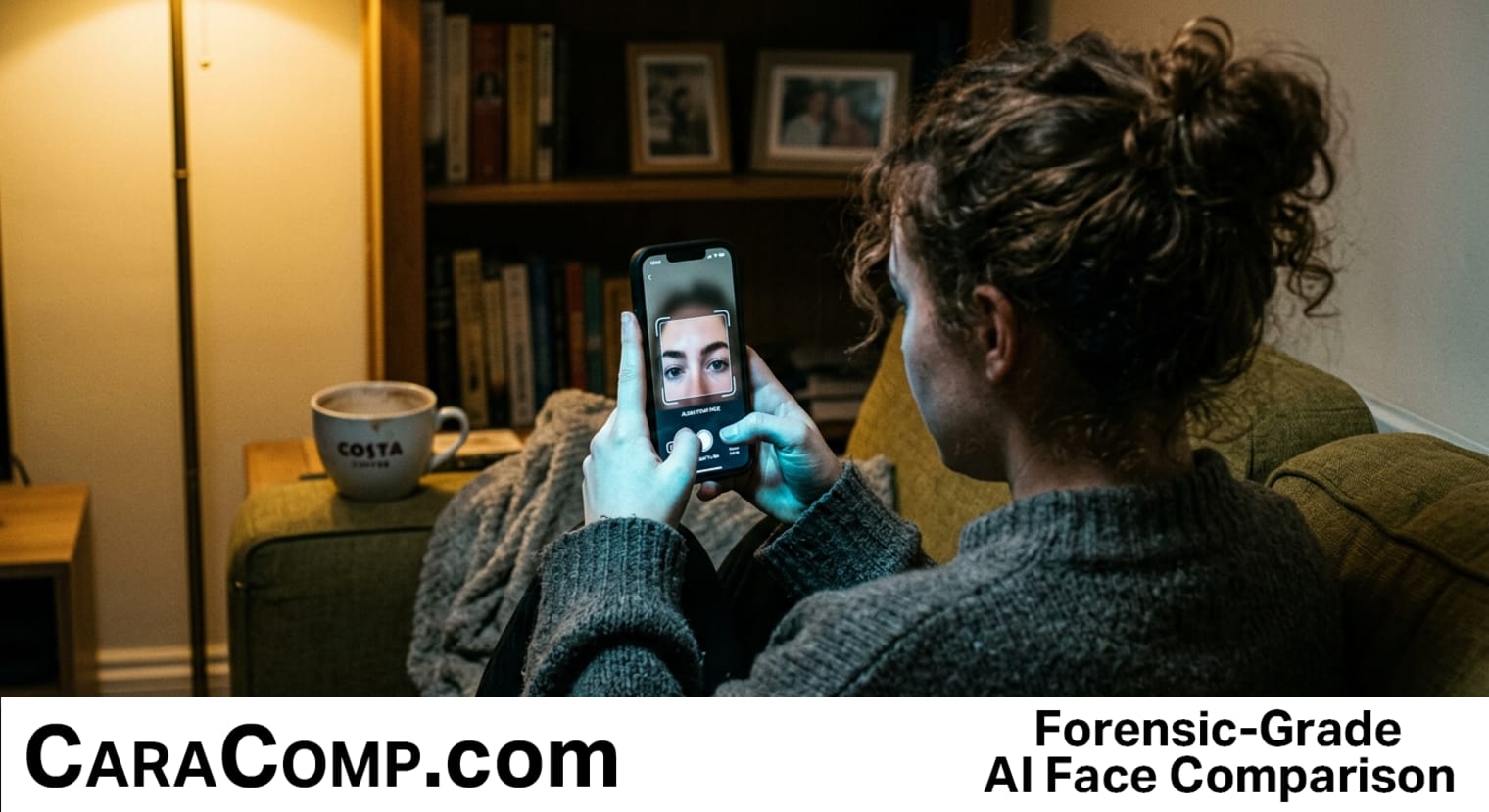
If you thought slapping a "medical" label on a biometric data grab would protect a company from lawsuits, the Seventh Circuit just proved you wrong. For years, firms have tried to hide behind healthcare exemptions to bypass strict privacy laws like Illinois’s BIPA, but that loophole is officially closing. In a landmark move against a major eyewear brand, the court ruled that simply selling prescription frames doesn't turn a facial scan into a protected medical procedure. It’s a massive reality check for the industry.
For the professional investigator, this ruling is a critical signal flare. It’s a reminder that not all biometric tech is created equal. While retail giants are getting bogged down in litigation for sloppy data collection, the real investigative work happens in the comparison booth. There is a fundamental difference between mass facial recognition and targeted, forensic facial comparison. One is a legal minefield; the other is a gold-standard investigative tool that relies on Euclidean distance analysis to provide empirical proof.
The problem isn't the technology—it's the methodology. Private investigators and OSINT researchers often feel forced to choose between consumer-grade junk that lacks reliability or enterprise tools that cost more than their monthly mortgage. But as the legal landscape tightens, the need for professional-grade, court-ready analysis becomes non-negotiable. You can't rely on "health-flavored" apps or questionable search tools when your reputation is on the line. You need tools that measure the physical reality of a face, providing side-by-side comparisons that hold up under the scrutiny of a deposition.
- The "Healthcare Loophole" is dead: Courts are no longer accepting vague medical associations as an excuse for non-consensual biometric collection. If there isn't a direct, HIPAA-defined treatment purpose, the law applies in full force.
- Methodology matters more than ever: Professional investigators must distinguish their work from crowd-scanning. Using side-by-side comparison for specific case photos remains a vital, legal standard for identifying subjects in insurance fraud and criminal cases.
- Professional reporting is the new baseline: As more companies face class-action suits for biometric mismanagement, the investigator who uses clean, professional software with court-ready reporting will be the one who wins high-value contracts.
The industry is shifting, and the era of manual comparison or shaky, unverified apps is over. If you aren't using enterprise-grade analysis to back up your findings, you're leaving your cases—and your firm—vulnerable to the same scrutiny currently hitting the retail world.
Read the full article on CaraComp: "It's Healthcare" Won't Save Your Face Scan Anymore


Comments
Post a Comment