He Sat in Jail 11 Months Because a Computer Thought His Face Looked Familiar
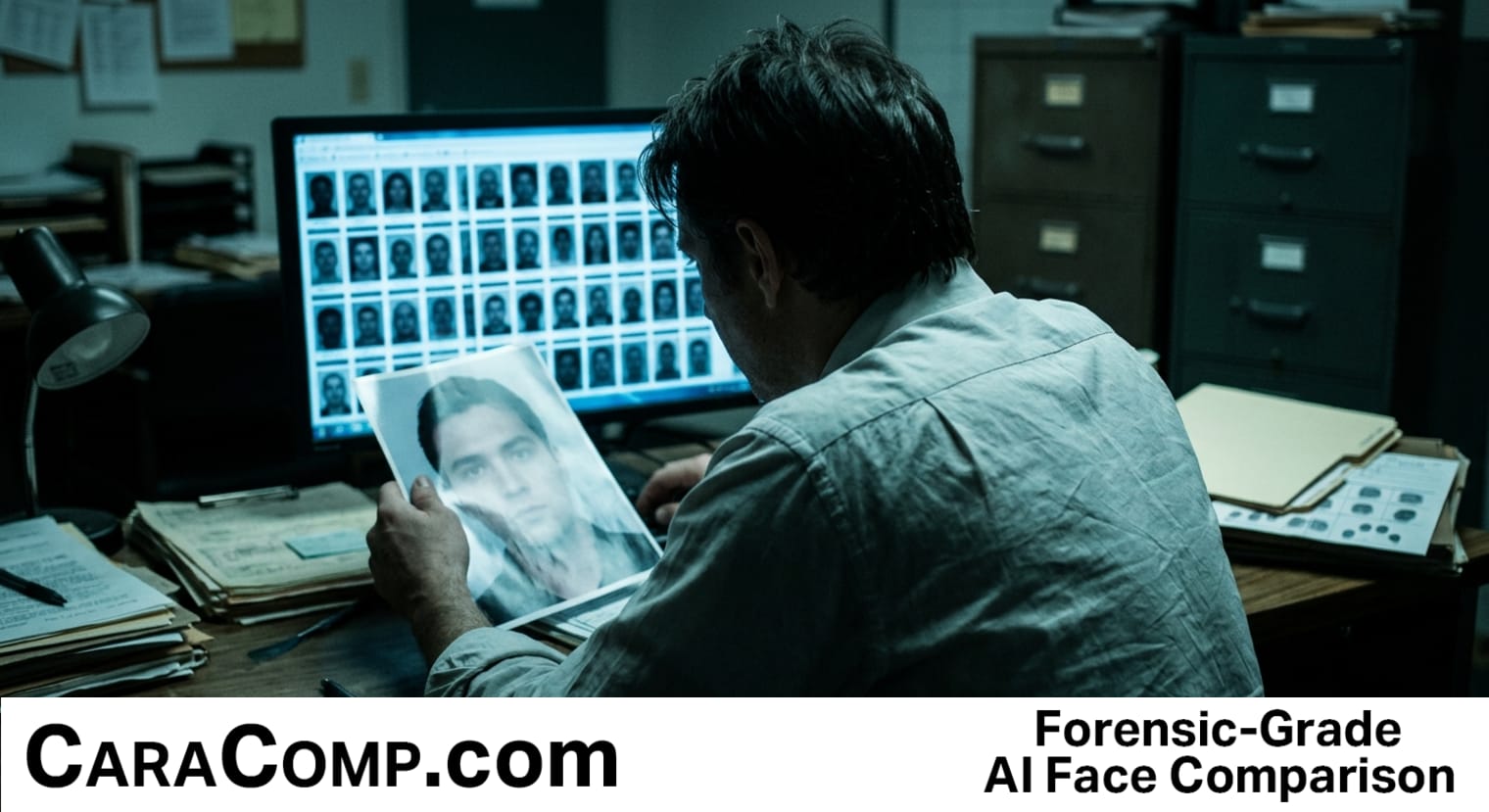
When an algorithm spits out 250 different potential matches for a single cold-case murder suspect, an investigator's job is to begin the grueling work of elimination—not to head straight to a magistrate for an arrest warrant. The recent disaster in Phoenix, where Javier Lorenzano Nunez sat in jail for 11 months based on a "familiar" face, isn't just a technology failure. It is a catastrophic failure of investigative methodology and a warning to every PI and OSINT professional about the dangers of using "black box" tools without professional-grade comparison rigor.
The Phoenix PD didn't just ignore the limitations of their software; they ignored a 2017 fingerprint report that had already cleared the man seven years before his arrest. This is what happens when investigators treat facial recognition as a definitive answer rather than a preliminary lead. In the world of private investigation and insurance fraud, we don't have the luxury of being wrong for 11 months. Our reputations, and our clients' cases, depend on the distinction between scanning a crowd and conducting a focused, side-by-side facial comparison.
At CaraComp, we see this case as a textbook example of why "recognition" and "comparison" are two entirely different beasts. Recognition is often a broad, high-friction search across massive databases that yields noise. Professional facial comparison, however, uses Euclidean distance analysis to measure the specific geometry of two faces you have already identified as relevant to your case. It is a scientific approach designed to support—not replace—the investigator's expertise.
- Algorithmic leads are not probable cause: A match is a suggestion to look closer, not a green light to stop investigating. Professional tools must be used to verify specific subjects, not just cast a wide net across a state database.
- Comparison beats "Search" every time: The goal for a tech-savvy investigator isn't just to find a face; it’s to prove a match with mathematical certainty using Euclidean distance data that can actually hold up in a professional report.
- The "Black Box" era is over: Investigators need affordable, transparent tools that provide court-ready reporting. When you can't explain how you arrived at a match, your evidence is a liability, not an asset.
We believe solo investigators deserve the same enterprise-grade Euclidean analysis used by federal agencies, but at a price point that doesn't require a government budget. The Phoenix case proves that when high-level tech is used lazily, lives are ruined. When used correctly—as a side-by-side comparison tool for verified evidence—it becomes the most powerful weapon in a PI’s arsenal.
Read the full article on CaraComp: He Sat in Jail 11 Months Because a Computer Thought His Face Looked Familiar


Comments
Post a Comment