Cops Can Now Scan Your Fingerprints From Across the Room — And You'll Never Know
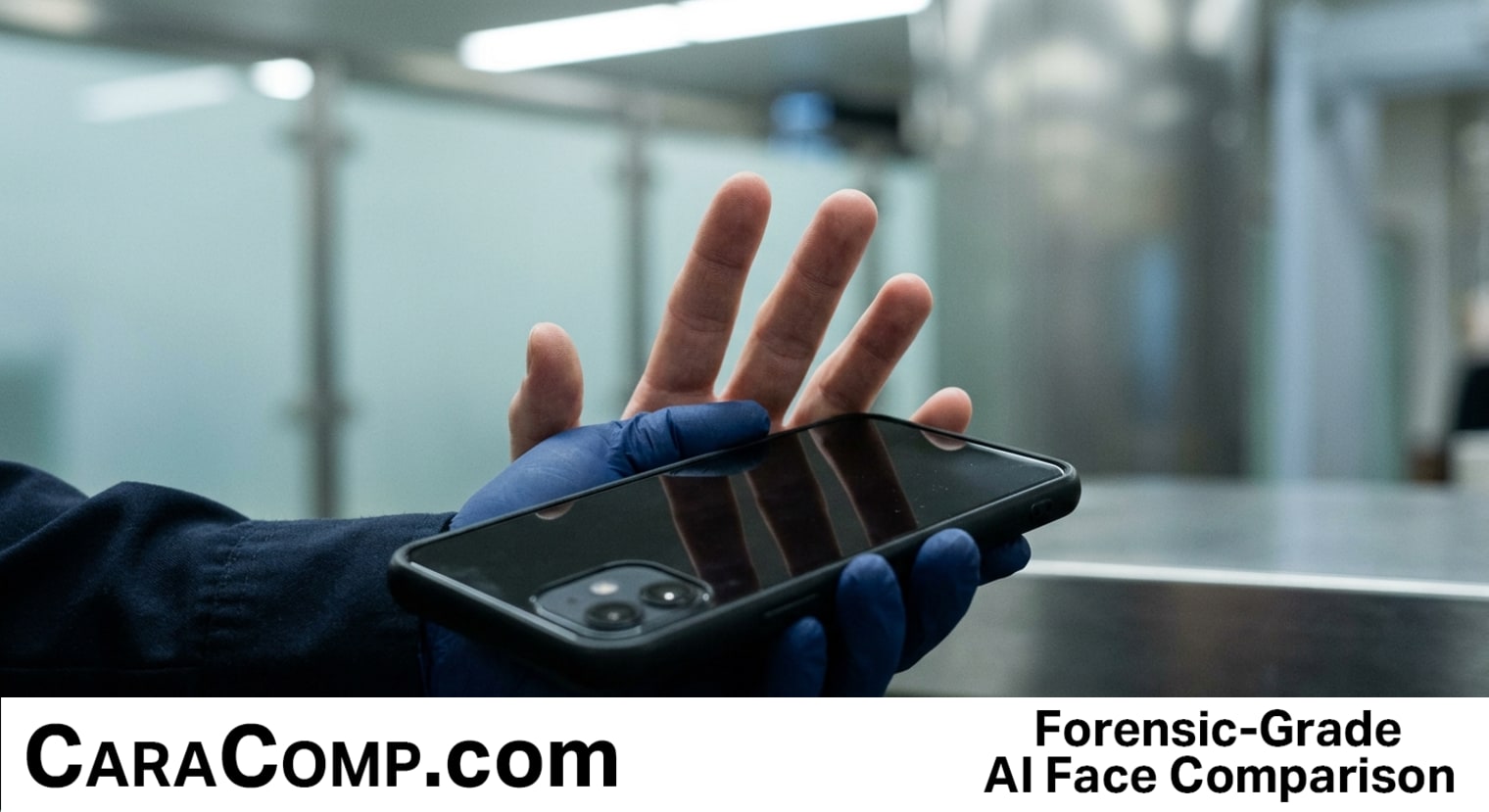
Forget the ink pads, the physical scanners, and the "press here" commands; the next time a subject is identified in the field, they may never even realize their biometric data has been logged, encrypted, and matched against a federal database. Austria’s recent deployment of the BioCapture system—which performed 643 identity checks via standard smartphone cameras—proves that the technical wall between "lab-grade" biometrics and "field-ready" tools has officially crumbled. For the modern investigator, this isn't just a news story; it is a total shift in the investigative landscape.
At CaraComp, we see this as the inevitable evolution of Euclidean distance analysis. Whether you are analyzing the unique ridge patterns of a fingerprint or the precise geometric markers of a human face, the methodology is the same. The "frictionless" nature of this technology means that identification is becoming a background layer of case analysis rather than a manual hurdle. If a patrol officer can verify a suspect's identity in 30 seconds using a device they already carry in their pocket, there is no longer a valid excuse for private investigators to spend three hours manually squinting at two photos to determine a match.
This news signals a massive opportunity for solo investigators and small firms. Historically, this level of biometric precision was locked behind six-figure government contracts. Now, as smartphone-based biometrics become the standard, enterprise-grade facial comparison is finally becoming accessible. We are moving toward a world where the solo PI has the same technical caliber as a federal agency, provided they adopt the right tools before the manual methods become obsolete.
- The Death of the Manual Process: As automated, contactless systems prove their accuracy in active law enforcement, the "eyeball test" is becoming a liability in professional investigation technology.
- Mobile-First Investigation: High-level biometrics are migrating from dedicated hardware to standard devices, making batch facial comparison a baseline requirement for field-ready OSINT professionals.
- Standardized Evidentiary Reporting: With systems like BioCapture generating 170 confirmed matches in one pilot, the demand for court-ready, data-backed reports will skyrocket as clients stop accepting "it looks like him" as a professional answer.
The industry is moving fast. You can either leverage the same math used by national police forces to close cases in seconds, or you can keep wasting billable hours on manual comparisons that won't hold up in a modern courtroom. The tech is here; the only question is whether you’re using it yet.
Read the full article on CaraComp: Cops Can Now Scan Your Fingerprints From Across the Room — And You'll Never Know


Comments
Post a Comment