"Better-Appearing Glasses Are Not Medical Treatment": The 4 Words That Just Changed Your Face-Scan Rights
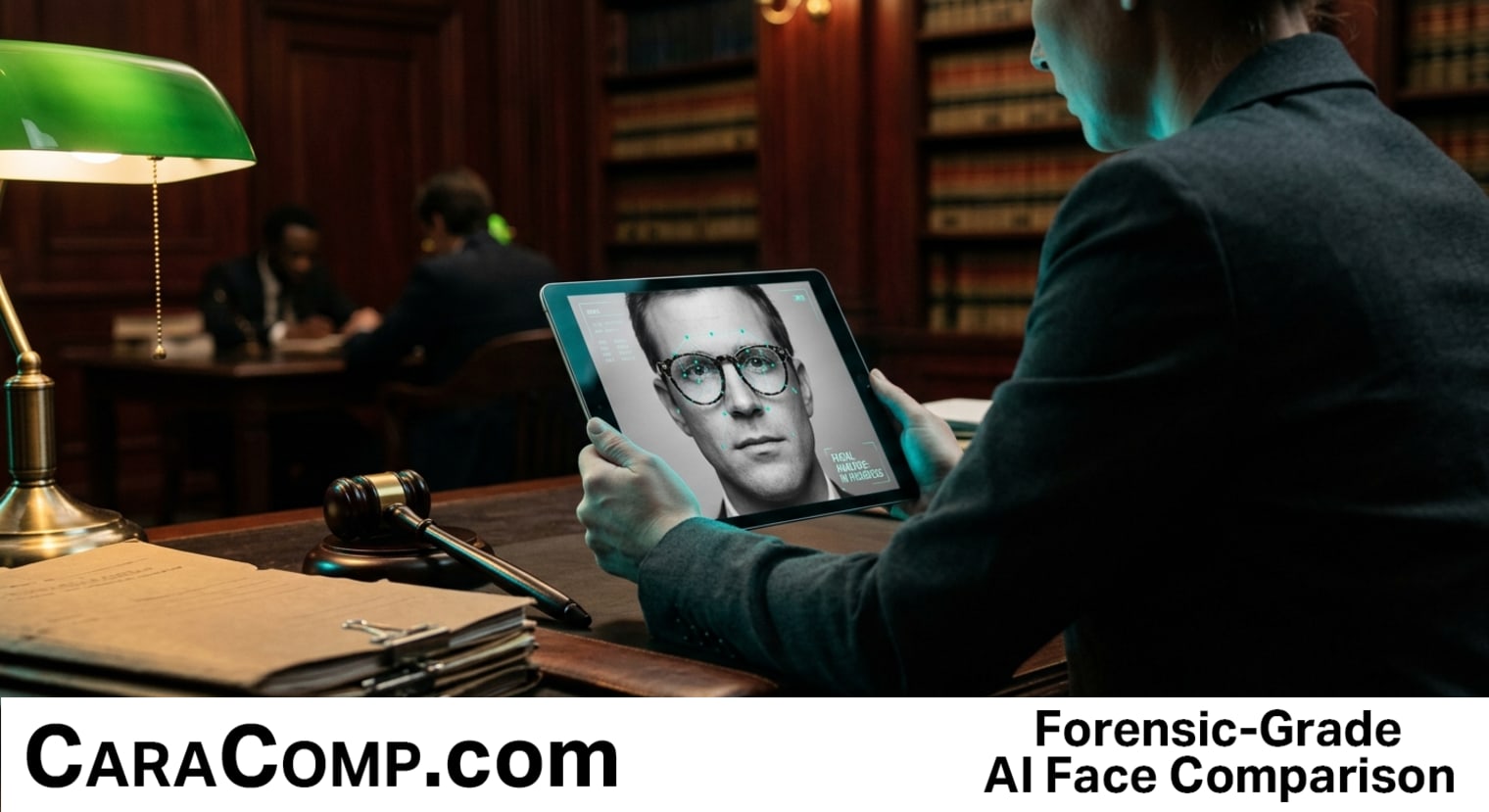
A federal court just stripped away the "healthcare" shield that companies have been using to hide sloppy biometric data practices, and the fallout is going to hit every investigator who handles facial data. The ruling was blunt: "Better-appearing glasses are not medical treatment." With those seven words, the 7th Circuit Court of Appeals signaled that just because a company operates in a health-adjacent field, they don't get a free pass to map faces without strict, written consent.
For the professional investigator, this ruling in the Gunnar Optiks case is a massive flashing sign. It confirms that the legal tide is turning against any tool or platform that treats facial data like a toy or a simple shopping feature. In our world, we distinguish between mass surveillance and precise facial comparison. The court is now making a similar distinction between genuine medical necessity and mere aesthetic data collection. If you are a solo PI or an OSINT researcher relying on consumer-grade apps that play fast and loose with "terms of service," you are standing on a collapsing pier.
The industry is moving toward a standard where the purpose of the scan determines its legality. When we use Euclidean distance analysis to compare two images for a fraud case or a missing person's report, we are engaging in a specific investigative methodology. The Gunnar Optiks ruling proves that "close enough" isn't going to cut it in court anymore. If a federal judge won't let a multi-million dollar eyewear brand slide on biometric technicalities, they certainly won't let an investigator off the hook for using unreliable or legally murky face-search tools.
Key implications for the investigative industry:
- Setting does not equal protection: Just because a scan happens in a doctor's office or a pharmacy doesn't make it exempt from privacy laws. The court looks at the intent—if it’s for shopping or "looking better," the hammer comes down.
- The "Consumer Tool" liability: Many investigators still use retail-facing facial tools that lack proper reporting. This ruling suggests that these "black box" platforms are increasingly radioactive in a legal environment demanding transparency and strict consent.
- Methodology is the best defense: Professional facial comparison—focused on specific case photos rather than scanning the general public—remains the gold standard for admissible, ethical evidence.
This is a wake-up call for solo firms and small agencies. The tools you use must be as sharp as your instincts. Relying on enterprise-grade analysis that respects the boundary between investigation and intrusion isn't just a preference anymore; it's a requirement for staying in business as biometric laws tighten across 20+ states.
Read the full article on CaraComp: "Better-Appearing Glasses Are Not Medical Treatment": The 4 Words That Just Changed Your Face-Scan Rights


Comments
Post a Comment