"94% Accurate" Means Nothing — And Europe Just Made It Illegal to Pretend Otherwise
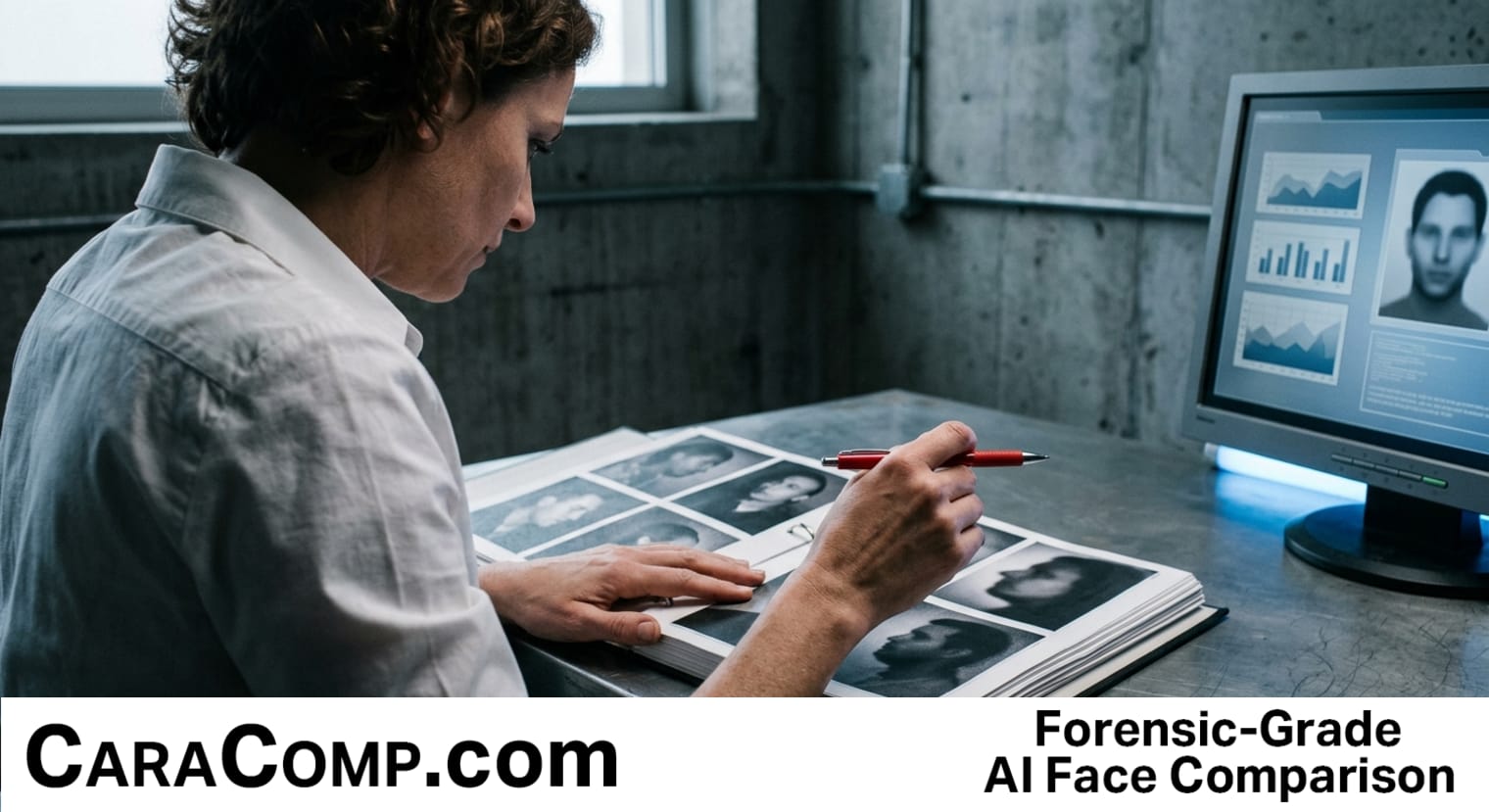
Your software claiming "94% accuracy" is no longer a selling point—it is a legal liability. The EU AI Act has officially pulled the rug out from under tech providers who hide behind marketing fluff instead of rigorous, documented testing. For the private investigator or OSINT professional, this isn't just a hurdle for big tech; it is a warning shot across the bow of the entire investigative industry. If you are staking your professional reputation on a "confidence score" generated by a black-box algorithm, you are building your case on sand.
In the world of forensic facial comparison, accuracy is a hollow metric unless you can prove exactly how the machine arrived at its conclusion. The reality is that a tool can be 99% accurate in a controlled lab and 0% reliable in a rainy parking lot with bad lighting. For years, solo investigators have been caught between two bad options: enterprise-grade tools that cost $2,000 a year or consumer-grade search engines that offer zero court-ready documentation. This new regulatory shift proves that the "trust me" era of AI is dead.
At CaraComp, we see this as a necessary evolution. The distinction between crowd-scanning surveillance and forensic facial comparison is finally being recognized. Real investigation requires more than a match; it requires a methodology. Whether you are tracking insurance fraud or conducting a missing persons search, you need Euclidean distance analysis—the same math used by federal agencies—not a proprietary score that disappears when a lawyer starts asking questions. The future of the industry belongs to investigators who treat AI as a tool for comparison rather than a magic wand for recognition.
- The "Confidence Score" Gimmick is Dead: Marketing-driven accuracy percentages are being replaced by legal requirements for documented testing logs and failure-mode analysis.
- Evidence Must Be Explainable: High-risk AI tools must now provide "human-readable" reasoning. If your software can't explain its match via Euclidean distance or similar metrics, it won't hold up in a professional or legal setting.
- Accountability Rests with the User: As regulations tighten, investigators using unreliable consumer tools with low trust ratings will face increased scrutiny from clients and the courts.
The choice is clear: adapt to the era of transparent, affordable, and professional comparison technology, or get left behind with the "black box" tools of the past. Professionalism isn't just about finding the match; it's about proving it.
Read the full article on CaraComp: "94% Accurate" Means Nothing — And Europe Just Made It Illegal to Pretend Otherwise


Comments
Post a Comment