"You've Been Victimized": The Email That Made 50 Women Relive It
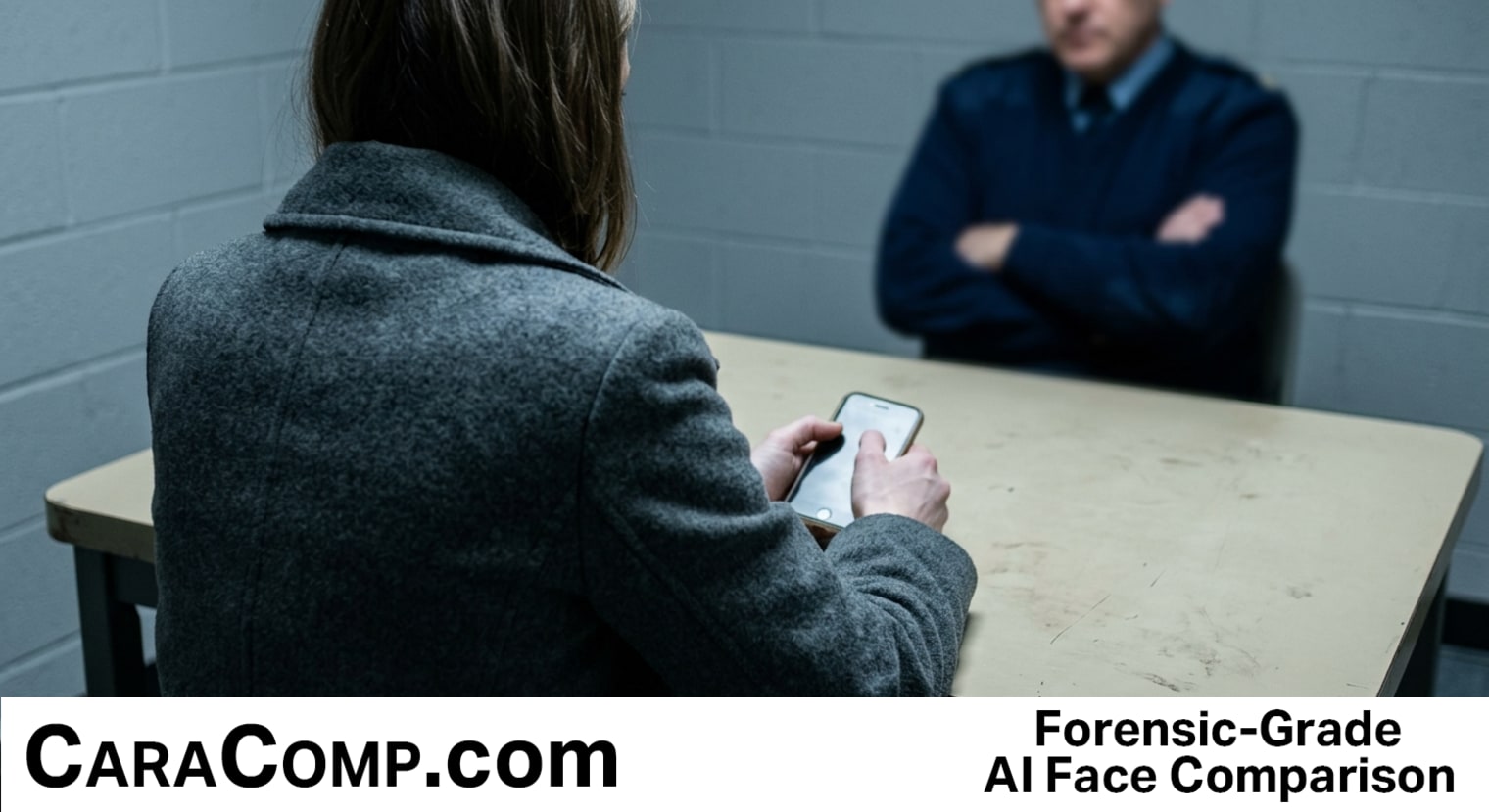
Imagine opening your work inbox to find a cold, automated-style message from law enforcement stating: "I have identified you as having been victimized. Please contact me." For 50 women in Ottawa, this wasn't a phishing scam; it was the start of a second trauma. They were victims of high-tech deepfake attacks, but the investigative process itself—often described as "trauma-informed" by the department—felt like a mechanical failure of empathy and efficiency.
As investigators, we often focus on the hunt: tracking IPs, verifying sources, and building the case. But the Ottawa deepfake crisis proves that when an investigation scales from one victim to fifty in less than a year, the "human element" is the first thing to break. When police and OSINT professionals are overwhelmed by the sheer volume of digital evidence, they resort to cold outreach and manual, repetitive workflows that alienate the very people they are trying to protect.
From the CaraComp perspective, this highlights a critical gap in modern investigative methodology. The problem isn't just the AI generating the harm; it’s the lack of accessible, professional tools that allow solo investigators and small firms to process these cases with clinical precision and court-ready results. If you are still spending hours manually side-by-side comparing faces in case files, you aren't just wasting time—you're increasing the margin for error and delaying the justice these victims desperately need.
Professional facial comparison shouldn't be a cold, "Big Brother" exercise. It should be about leveraging Euclidean distance analysis to provide objective, undeniable evidence that stands up in a courtroom. By automating the technical side of the comparison, investigators can actually afford to spend more time on the trauma-informed side of the job.
- Investigative scaling is the new bottleneck — As AI tools make victimizing people easier, case volumes are exploding. Small firms must adopt batch processing and Euclidean distance analysis now or be crushed by the administrative weight of digital evidence.
- Professionalism is built on reporting — A cold email is a symptom of a disorganized workflow. Investigators need to present findings in structured, court-ready formats that reflect a high standard of care and technical expertise.
The Ottawa case is a warning. The tech for harm is moving fast. If our investigative tools don't match that speed while maintaining a professional veneer, we aren't just failing our clients—we're risking our reputations. It’s time to move past manual methods and embrace enterprise-grade analysis that treats every pixel and every victim with the seriousness they deserve.
Read the full article on CaraComp: "You've Been Victimized": The Email That Made 50 Women Relive It


Comments
Post a Comment