Your Phone Is About to Buzz With a Fake Login — Here's What to Do
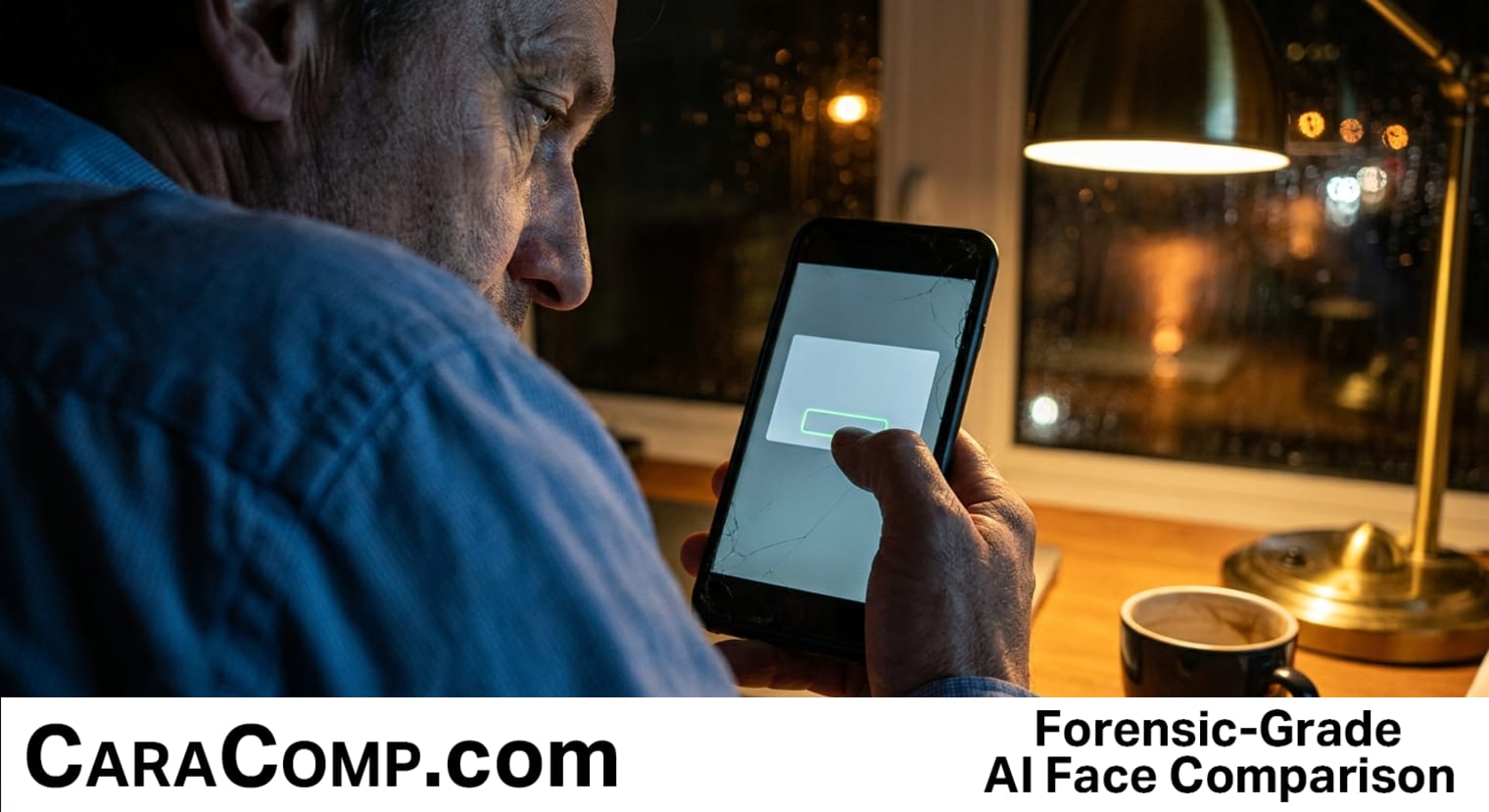
The government is finally admitting what elite investigators have known for years: passwords are a joke. But the new "passwordless" gold standard currently being rolled out across federal agencies is creating a high-speed playground for identity fraud that solo investigators will be cleaning up for the next decade. While agencies scramble to deploy digital certificates, they are inadvertently handing criminals a master key to the "human firewall."
The recent push by Keytos and Carahsoft to bring certificate-based authentication to the public sector is a massive shift in how we define identity. On paper, it's unhackable. In reality, it has birthed the "MFA prompt bombing" epidemic. When you replace a password with a "push to approve" notification, you aren't making the system smarter; you're just making the user the weakest link. Criminals are no longer guessing strings of text; they are badgering users into clicking "Approve" through sheer exhaustion or confusion. For a private investigator or OSINT researcher, this means the nature of "identity theft" is evolving from stolen data to hijacked permissions.
This transition period is where the real case work lives. As government and enterprise sectors run old and new systems side-by-side, the "mixed-system gap" becomes a goldmine for fraud. Investigators are now seeing a surge in OAuth consent phishing, where a subject doesn't lose their password, but instead signs a digital "permission slip" that lets a criminal bypass every security layer. This is why visual evidence and facial comparison are becoming the ultimate truth in modern investigations. Digital tokens can be spoofed or tricked, but the physical identity behind the screen remains the only anchor we have.
- The Death of the Password is the Birth of "Permission Fraud": Hackers are pivoting from stealing credentials to exploiting "Allow" buttons, making the ability to visually verify subjects across different digital personas more critical than ever.
- The Biometric Shift Requires Professional Tools: As institutions move toward biometric-adjacent logins, investigators need enterprise-grade Euclidean distance analysis to prove or disprove identity in court-ready reports without the $2,000-a-year price tag.
At CaraComp, we believe solo investigators shouldn't be left behind just because they don't have a federal budget. While the big players focus on securing government servers, we provide the facial comparison tech that helps you catch the digital ghosts these new vulnerabilities create. Whether it's insurance fraud or a complex OSINT trail, the technology to compare faces with mathematical precision is no longer optional—it's the baseline for staying ahead of the curve.
Read the full article on CaraComp: Your Phone Is About to Buzz With a Fake Login — Here's What to Do


Comments
Post a Comment