Your Newborn's Footprint Isn't Ink Anymore — It's a Permanent Digital ID 1.5 Million Babies Already Have
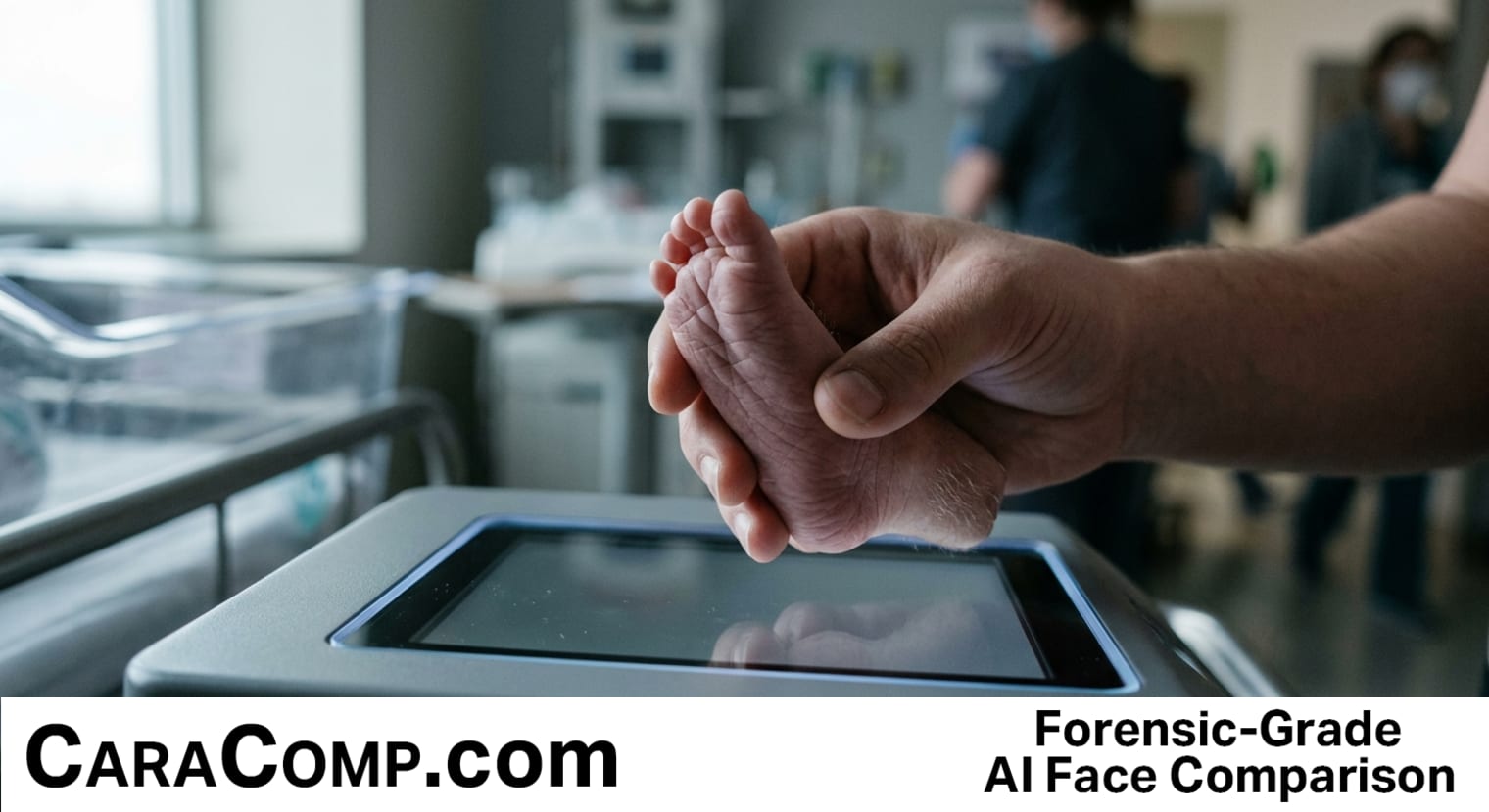
Your newborn’s first footprint isn't a smudged ink keepsake for a baby book anymore—it’s a permanent, high-resolution biometric identifier stored in a digital database before they even have a name. While parents are focused on swaddling and sleep schedules, over 160 hospitals across the country have quietly enrolled 1.5 million infants into digital footprinting systems. For those of us in the professional investigation and biometric space, this isn't just a "safety measure"; it’s the massive, unregulated expansion of lifetime biometric tracking under the guise of hospital administration.
The technology itself is undeniably superior to the old ways. Digital scanning solves the 40% failure rate of traditional ink prints, providing the kind of forensic-grade detail that professional investigators need for accurate case analysis. But as industry insiders, we have to look past the immediate utility. The "safety" argument—preventing mix-ups or abductions—is legally valid, but it creates a massive data liability that exists long after the family leaves the maternity ward. Unlike a temporary hospital wristband, a biometric signature doesn't expire and it doesn't change.
From the CaraComp perspective, this highlights a critical distinction we often explain to our clients in the field: the difference between responsible facial comparison and permanent biometric surveillance. While private investigators and OSINT professionals use technology to compare specific images within a closed case file—a standard, ethical investigative methodology—these hospital systems are building permanent identities for individuals who cannot consent. We are seeing a shift where "enterprise-grade" identification is being forced into the civilian sector without the necessary privacy guardrails.
The implications for the future of identity and investigation are massive:
- The Death of the "Clean Slate": Biometric markers like footprint ridge patterns are permanent. Capturing this data at birth creates a "digital tether" that follows a person for life, with zero federal requirements for data deletion once the child reaches adulthood.
- The Regulatory Gray Zone: While HIPAA protects the security of the file, it does not regulate the existence of the biometric record itself. Hospitals and third-party vendors are currently operating with total autonomy regarding how long this data is archived and who can eventually request access.
- Forensic Normalization: As biometric capture becomes "standard procedure" in civilian life, the line between medical records and investigative databases continues to blur, making it harder for solo investigators to navigate the ethical and legal landscape of biometric evidence.
The technology is here, and it’s more accurate than ever. But as we move toward enterprise-grade analysis being used in every sector, we must ask: who truly owns the ridge patterns on your child’s feet, and where does that data go once the investigation of "safety" is over?
Read the full article on CaraComp: Your Newborn's Footprint Isn't Ink Anymore — It's a Permanent Digital ID 1.5 Million Babies Already Have


Comments
Post a Comment