Your Meeting Room AI Has Been Grading Your Face. Europe Just Made It a Crime.
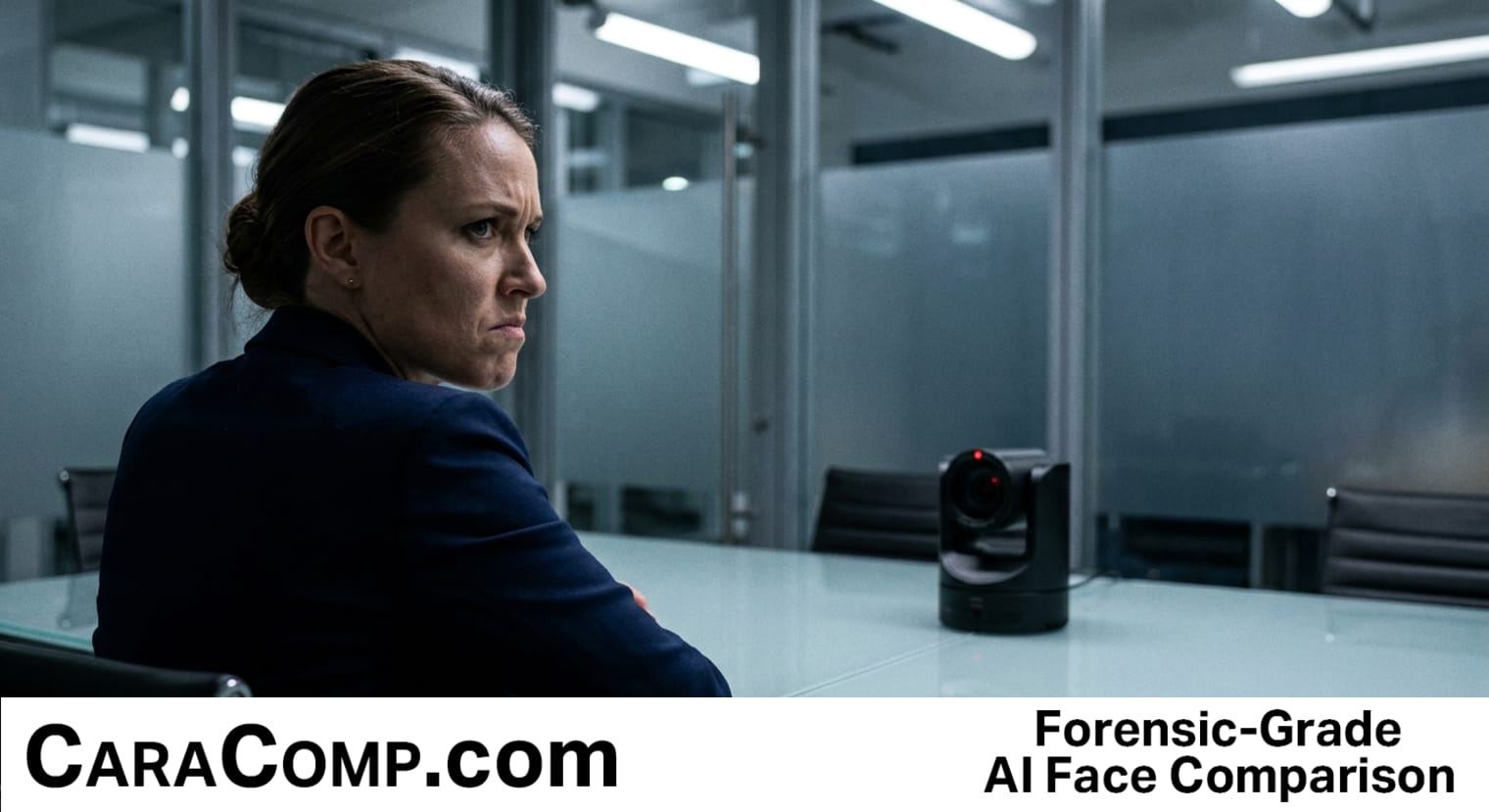
If your conference room camera is "grading" your performance based on the micro-expressions on your face, your employer might just be committing a crime. The European Union has officially drawn a line in the sand with the EU AI Act, banning the use of emotion-recognition AI in workplaces and schools. This isn’t just a regulatory hiccup; it’s a death knell for "engagement analytics" and a massive wake-up call for everyone in the biometrics industry.
For years, vendors have sold the dream of "smart" meeting rooms that could supposedly tell if an employee was bored, stressed, or lying during a review. From our perspective as investigative technology experts, this was always a house of cards. Using AI to guess a person’s internal state is often little more than high-tech phrenology. It’s unreliable, subjective, and—as the EU has now decided—dangerous.
However, we need to be very clear about what this legislation actually targets. The ban focuses on inferring emotions, not the objective science of facial comparison. For solo private investigators and OSINT professionals, the distinction is everything. While "emotion scanning" is being pushed out of the office, the need for high-fidelity, Euclidean distance analysis to compare known images remains a critical, standard investigative methodology. The law isn't banning the math of identity; it's banning the "judgment" of AI.
As this regulation ripples across the globe, investigators must pivot toward tools that focus on court-ready, forensic facts rather than behavioral guesses.
- The "Pseudo-Science" Era is Ending: Any tool claiming to "read minds" via facial movements is now a massive liability for firms. Investigators must stick to objective facial comparison to maintain credibility and legal standing.
- Forensic Accuracy Over Behavioral Analytics: The future of investigation technology lies in Euclidean distance analysis—measuring the actual geometry of a face to confirm identity, not guessing if a subject looks "suspicious."
- Regulatory Shielding: By moving away from subjective behavioral tools, small firms can avoid the catastrophic fines (up to 7% of global revenue) associated with prohibited AI practices.
The industry is maturing. The "Wild West" of using cameras to grade human character is closing down, but the era of accessible, enterprise-grade facial comparison for the solo investigator is just beginning. Facts win cases; AI-generated "feelings" just get you sued.
Read the full article on CaraComp: Your Meeting Room AI Has Been Grading Your Face. Europe Just Made It a Crime.


Comments
Post a Comment