Your Kid's Yearbook Photo Is All a Stranger Needs Now
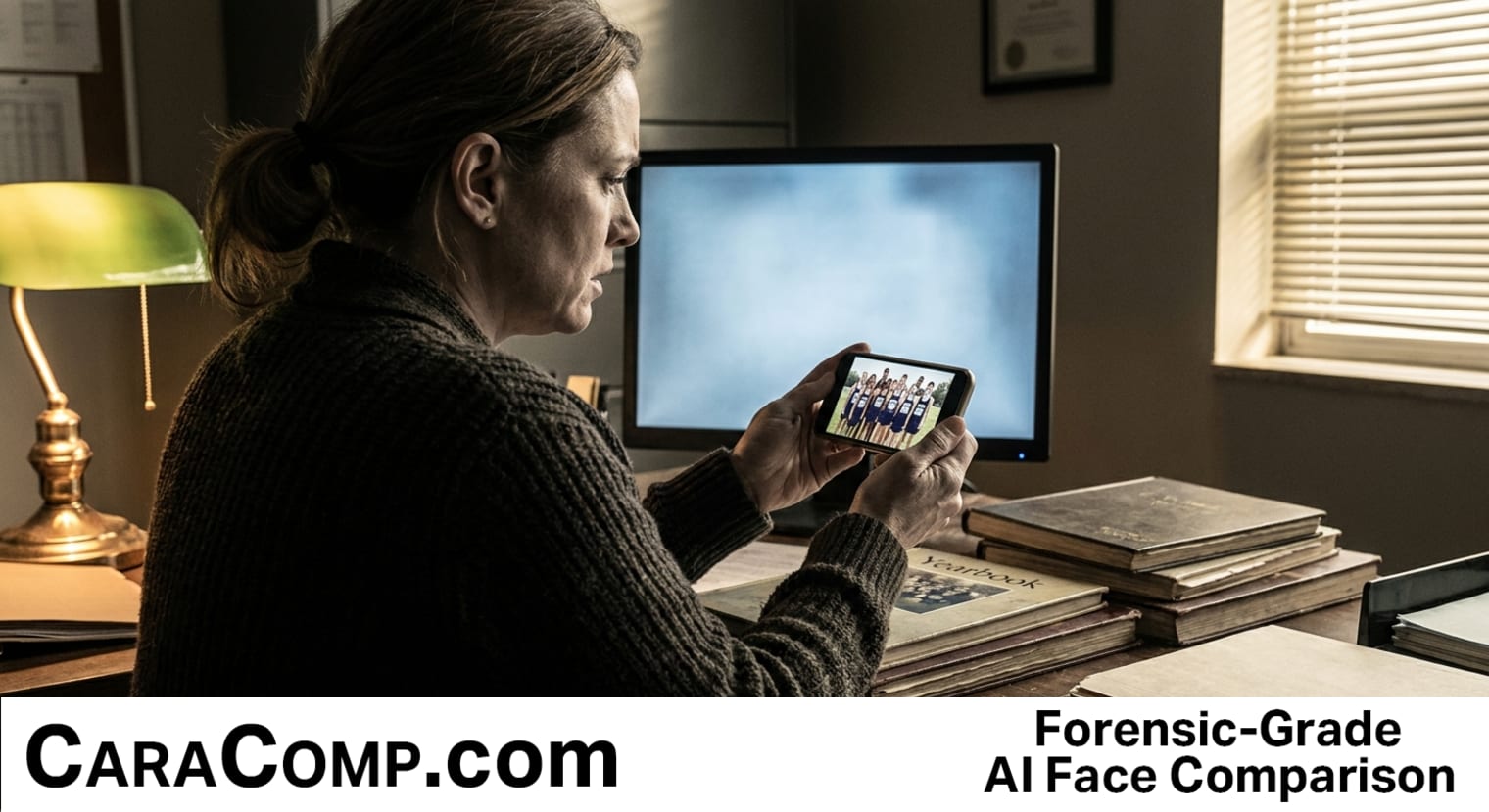
Your child’s yearbook photo isn’t just a keepsake anymore—it’s raw material for a felony. While the global media obsessed over celebrity deepfakes, thirty girls at a New Jersey high school lived the real nightmare. This is no longer a tabloid problem or a Silicon Valley edge case; it is a full-scale investigative crisis that is landing on the desks of private investigators and OSINT professionals right now.
The numbers are staggering. Reports of AI-generated harmful material involving minors skyrocketed from 67,000 in all of 2024 to over 440,000 in just the first half of 2025. For the modern investigator, this represents a fundamental shift in the landscape. We are moving away from simple "find the person" jobs and into the complex world of digital authentication. When a client comes to you with a malicious image, they aren’t just looking for sympathy; they need technical proof that can survive a cross-examination.
The federal government is attempting to plug the leak with the TAKE IT DOWN Act and the DEFIANCE Act, but legislative speed is no match for a free app on a teenager's laptop. Law enforcement is already overwhelmed, leaving a massive gap for solo investigators and small firms to fill. To win these cases, you can’t rely on manual "eyeballing" or unreliable consumer-grade search engines. You need the same Euclidean distance analysis used by federal agencies to prove manipulation and identity, but you shouldn't have to pay a five-figure enterprise fee to get it.
- The investigative caseload is shifting from physical observation to biometric authentication, requiring professionals to use facial comparison tools that can distinguish between authentic captures and AI-generated fabrications with mathematical certainty.
- Civil litigation is the new frontline for victims; under the DEFIANCE Act, a professional, court-ready report is the difference between a dismissed claim and $150,000 in statutory damages.
- The "one photo" vulnerability is permanent, meaning investigators must be prepared to perform batch comparisons across thousands of images to identify the source of a leak or the extent of the digital harm.
The tools to fight this aren't just for the big agencies anymore. Sharp investigators are already using high-caliber facial comparison technology to close these cases faster and provide families with the professional clarity they deserve. If you aren't using enterprise-grade analysis to verify these images, you're leaving your clients—and your reputation—exposed.
Read the full article on CaraComp: Your Kid's Yearbook Photo Is All a Stranger Needs Now


Comments
Post a Comment