Your ID Is Becoming an Online Account. Here's What Nobody's Telling You.
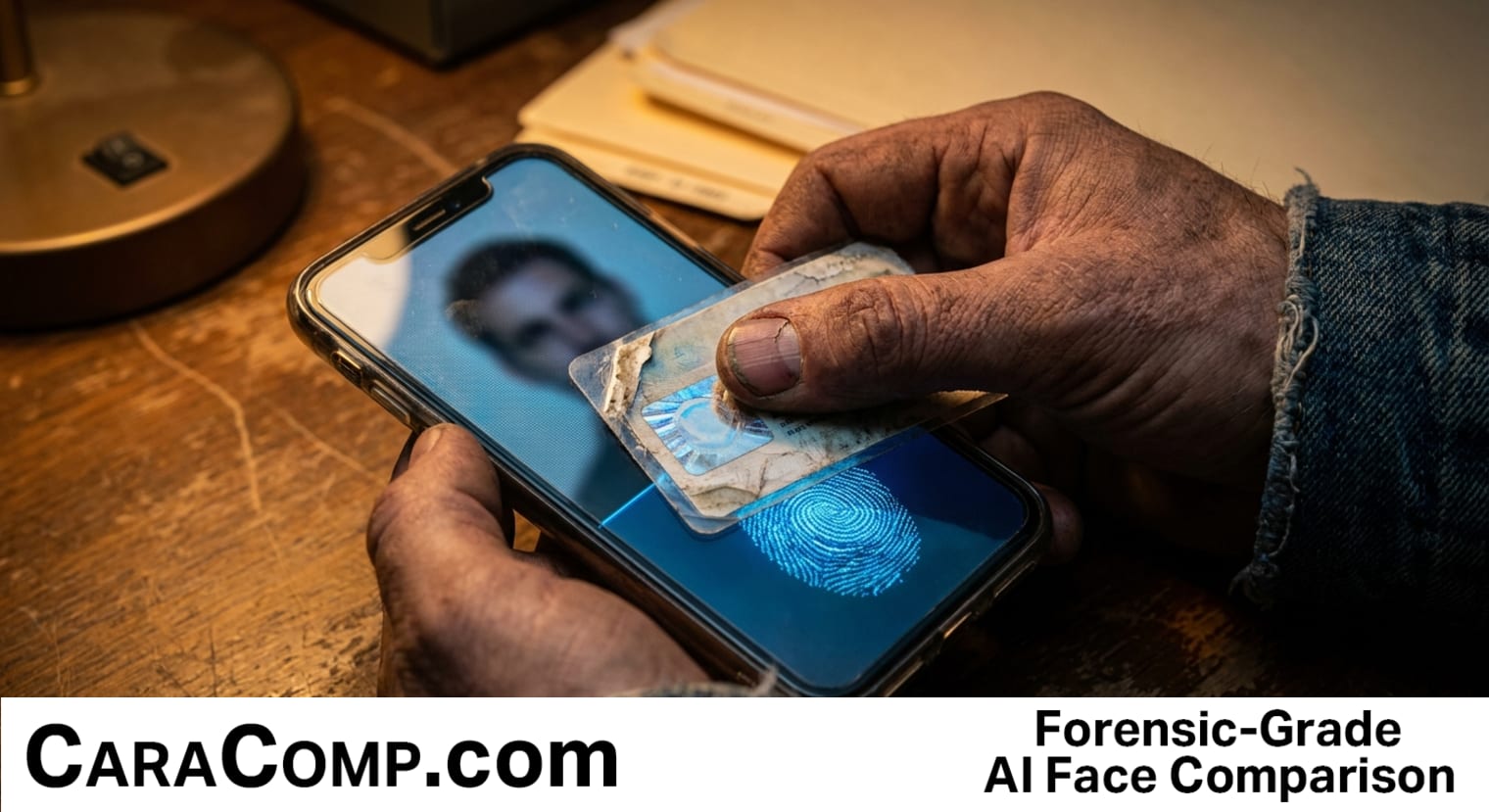
The death of the government waiting room is the birth of the professional identity thief’s greatest opportunity. Morocco’s recent move to shift national ID renewals entirely online marks a global tipping point: your legal identity is no longer a physical document protected by "analog friction"—it is now a digital account vulnerable to phishing and automated spoofing at a scale we have never seen before.
For private investigators and OSINT professionals, this shift changes the stakes of every case. When a government removes the requirement for a human clerk to look an applicant in the eye, they are effectively outsourcing identity verification to algorithms. While this is convenient for the public, it creates a massive "identity gap" that solo investigators are now expected to bridge. If a digital ID can be renewed with a few clicks and a photo upload, the potential for synthetic identity fraud and sophisticated impersonation becomes a primary threat to insurance firms and legal proceedings.
We are entering a period where "eyeballing" a photo is a professional liability. As IDs become digital accounts, fraudsters will use AI-generated assets to bypass basic checks. Investigators cannot rely on the same manual methods they used a decade ago. To stay ahead, the modern investigator must utilize Euclidean distance analysis to compare facial metrics with mathematical precision. If the government is automating the issuance of identity, the private sector must automate the verification of it.
The implications for the investigative industry are immediate and disruptive:
- The End of Manual Verification: With identity fraud attempts reaching nearly 5% in digital systems, investigators who rely on manual facial comparison are gambling with their reputations. Accurate, court-ready reporting is now the only way to validate or debunk a digital identity claim.
- Scaling of Impersonation: Criminals no longer need to risk a physical office visit; they can now launch thousands of automated impersonation attempts simultaneously. This creates a massive backlog of fraud cases that only tech-savvy investigators can resolve efficiently.
- The Need for Enterprise-Grade Metrics: As digital IDs become the norm, the "Euclidean distance" between facial features becomes the only data point that truly matters in confirming a match across disparate photo sets.
This isn't just a change in how Morocco handles paperwork; it's a warning shot for every investigator. The tools you use must be as sophisticated as the systems being exploited. If you aren't using professional facial comparison technology to verify your subjects, you aren't just behind the curve—you're irrelevant.
Read the full article on CaraComp: Your ID Is Becoming an Online Account. Here's What Nobody's Telling You.


Comments
Post a Comment