Your Face Was Stolen at a Concert. You Can't Change the Locks.
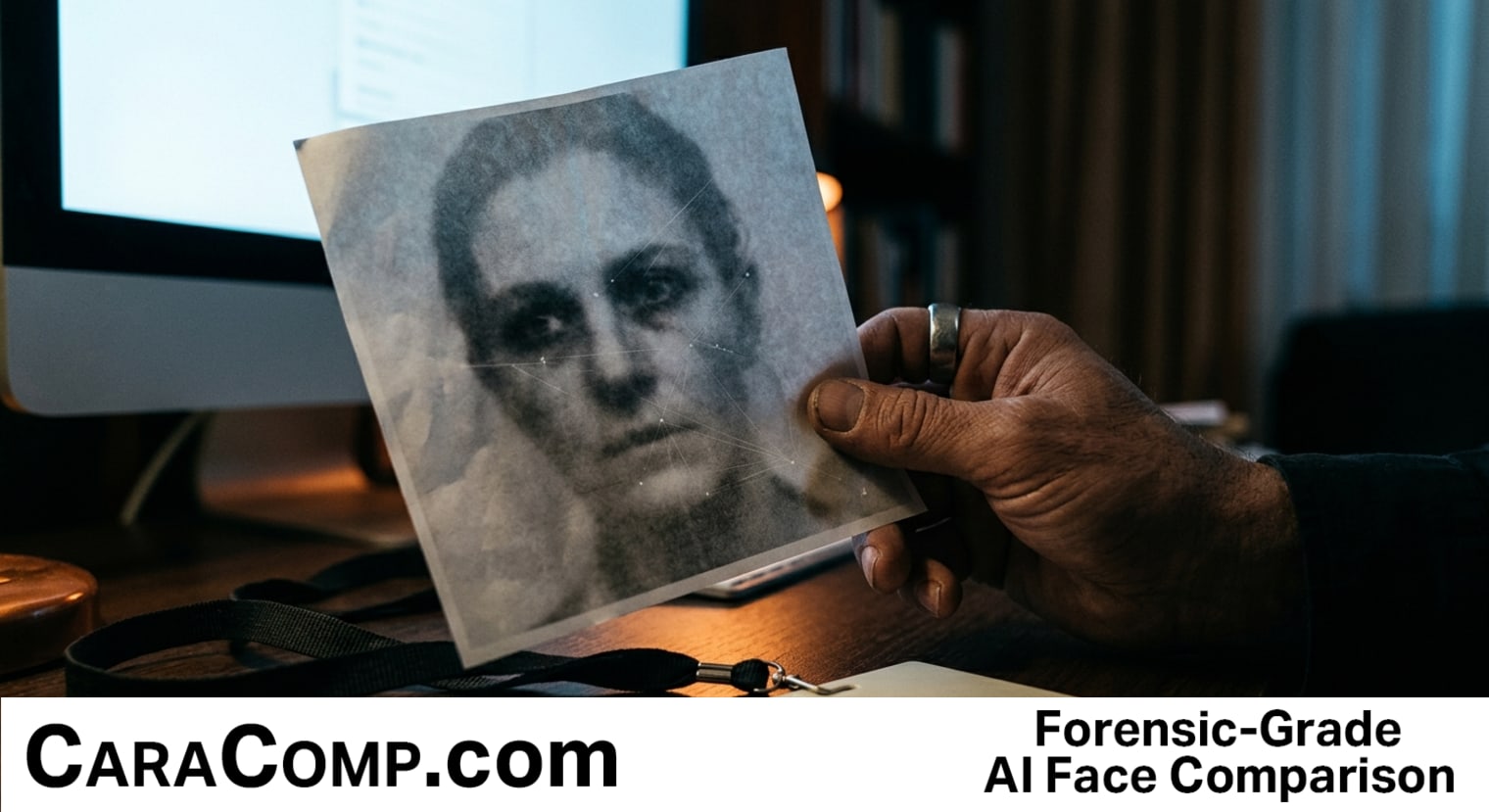
Your face is now a permanent data liability. If you walked through the doors of Madison Square Garden in the last few years, your biometric signature—the mathematical "key" to your identity—is likely sitting in a hacker’s database. Unlike a leaked password or a compromised credit card, you cannot "reset" your eye-to-nose ratio. This isn't just a PR nightmare for a major venue; it is a wake-up call for the entire investigative community about the critical difference between reckless mass surveillance and professional facial comparison.
As investigators, we know that data is only as good as the security surrounding it. The MSG breach exposed the massive risk of "mission creep," where venues hoard biometric data without a clear, limited investigative purpose. For solo private investigators and OSINT professionals, this disaster highlights why we must move away from unreliable consumer-grade search engines and toward secure, localized facial comparison tools. The public is rightfully becoming wary of "recognition" (scanning crowds for identity), but they still demand results from professional "comparison" (analyzing specific evidence side-by-side).
The industry is shifting. Clients no longer accept a "gut feeling" match or a low-reliability screenshot from a 2.4-star consumer app. They want enterprise-grade Euclidean distance analysis—the same math used by federal agencies—delivered in a professional, court-ready format. If you aren't using these high-level metrics to verify identity, you are one bad match away from a reputation-ending mistake. The MSG leak proves that biometric data is the most sensitive asset we handle; we must treat it with the surgical precision of a specialist, not the bulk-collection mentality of a stadium operator.
- The End of Biometric Privacy: Once a facial template is leaked, it is compromised for life. This creates a permanent "spoofing" risk for any system—from banking to border crossings—that relies on face-based logins.
- The Professional Distinction: There is a widening gap between controversial "recognition" databases and legitimate "facial comparison" methodology. Investigators who master side-by-side analysis using Euclidean distance will be the only ones trusted by high-paying clients and legal teams.
- Security Over Storage: The liability of holding massive biometric databases is becoming too high. Modern investigators should focus on toolsets that allow for batch processing and immediate analysis without the "Big Brother" baggage of mass surveillance.
Read the full article on CaraComp: Your Face Was Stolen at a Concert. You Can't Change the Locks.


Comments
Post a Comment