Your Face Unlocks Your ID. Here's the Back Door Nobody Warned You About.
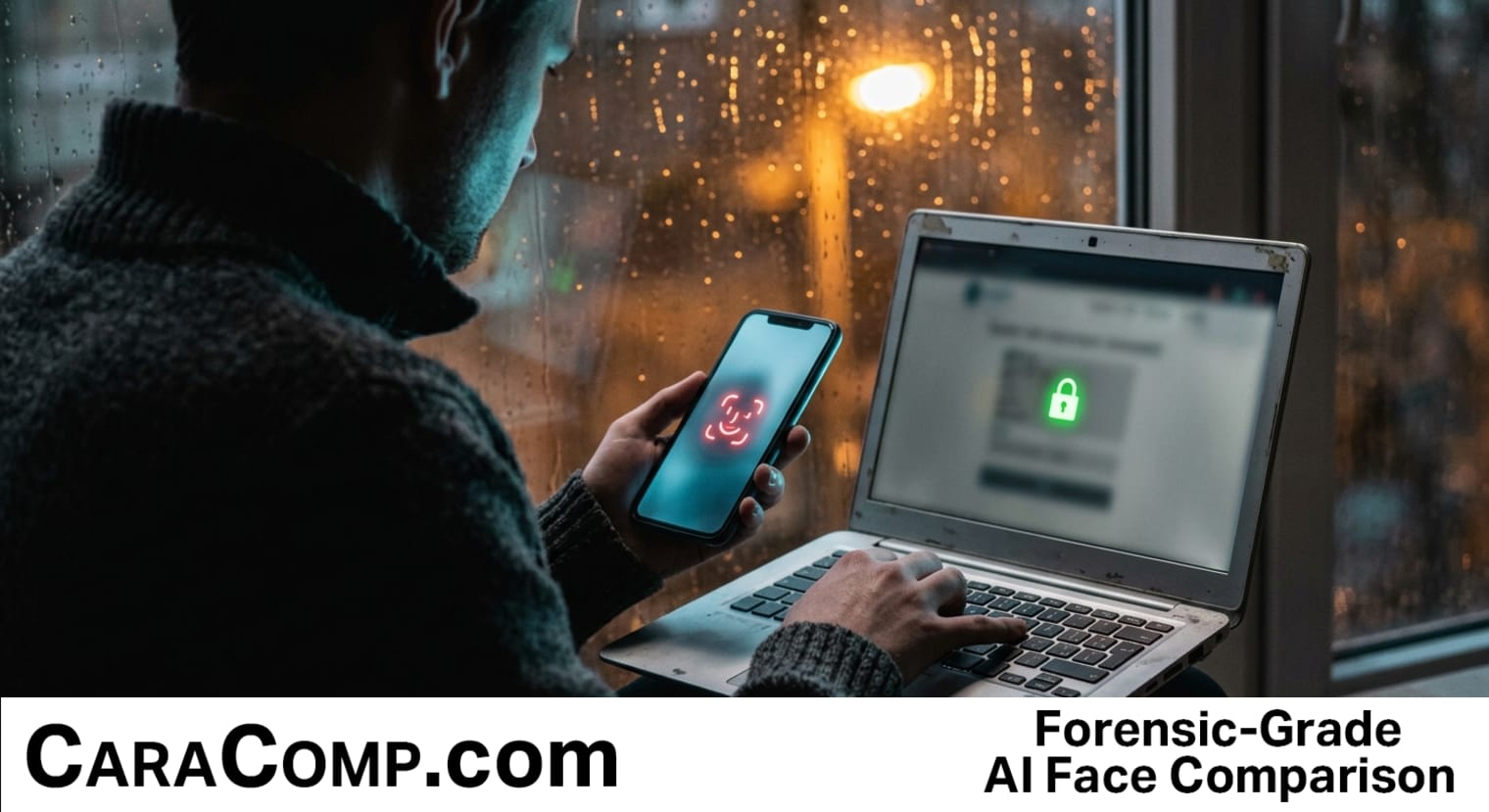
While you were pouring your second cup of coffee this morning, a biometric verification system somewhere was likely being hit by a deepfake attack. These attacks are now occurring every five minutes, yet government agencies are moving full steam ahead with digital ID wallets that treat your face as the master key. The problem for investigators isn't the facial scan itself; it’s the "fallback mechanisms"—the digital back doors left wide open when the technology inevitably fails to recognize a legitimate user.
The upcoming EUDI Wallet rollout across Europe highlights a massive disconnect between high-level security promises and the messy reality of investigative technology. When a biometric system can’t confirm an identity due to poor lighting or aging, it defaults to recovery paths like email links or SMS codes. For a sophisticated fraudster, the face scan is just a hurdle; the recovery process is the finish line. In the world of professional investigation, we know that a security system is only as strong as its weakest manual bypass.
For those of us in the OSINT and private investigation space, this shift toward centralized biometric wallets creates a new frontier of template poisoning and enrollment fraud. If a fraudster successfully registers their biometric data as yours during the setup phase, they don't just steal your ID—they become the "source of truth" for the entire system. This is why automated "set it and forget it" recognition is a liability. True investigative clarity requires Euclidean distance analysis—the mathematical side-by-side comparison of facial features that provides court-ready evidence, rather than just a "pass/fail" notification from an app.
- Automation is the vulnerability, not the solution: Relying on an app to "verify" a face without professional comparison tools allows "fallback abuse" to become a primary entry point for identity theft.
- The legal shift from "prevent" to "hinder": New regulations are softening the requirements for identity protection, meaning investigators must be more diligent in verifying the digital credentials presented in fraud cases.
- The rise of "Template Poisoning": Subtle, long-term attacks that gradually shift a stored biometric profile toward an attacker’s face require forensic-level comparison software to detect and disprove in a legal setting.
The lock is not the whole safety system. As digital wallets become the standard, the ability to perform high-precision facial comparison will be the only way to separate legitimate identities from deepfake-driven spoofs. We aren't just looking at faces anymore; we are auditing the systems that claim to know who we are.
Read the full article on CaraComp: Your Face Unlocks Your ID. Here's the Back Door Nobody Warned You About.


Comments
Post a Comment