Your Face, Their Database: The Body-Cam Question Nobody's Asking
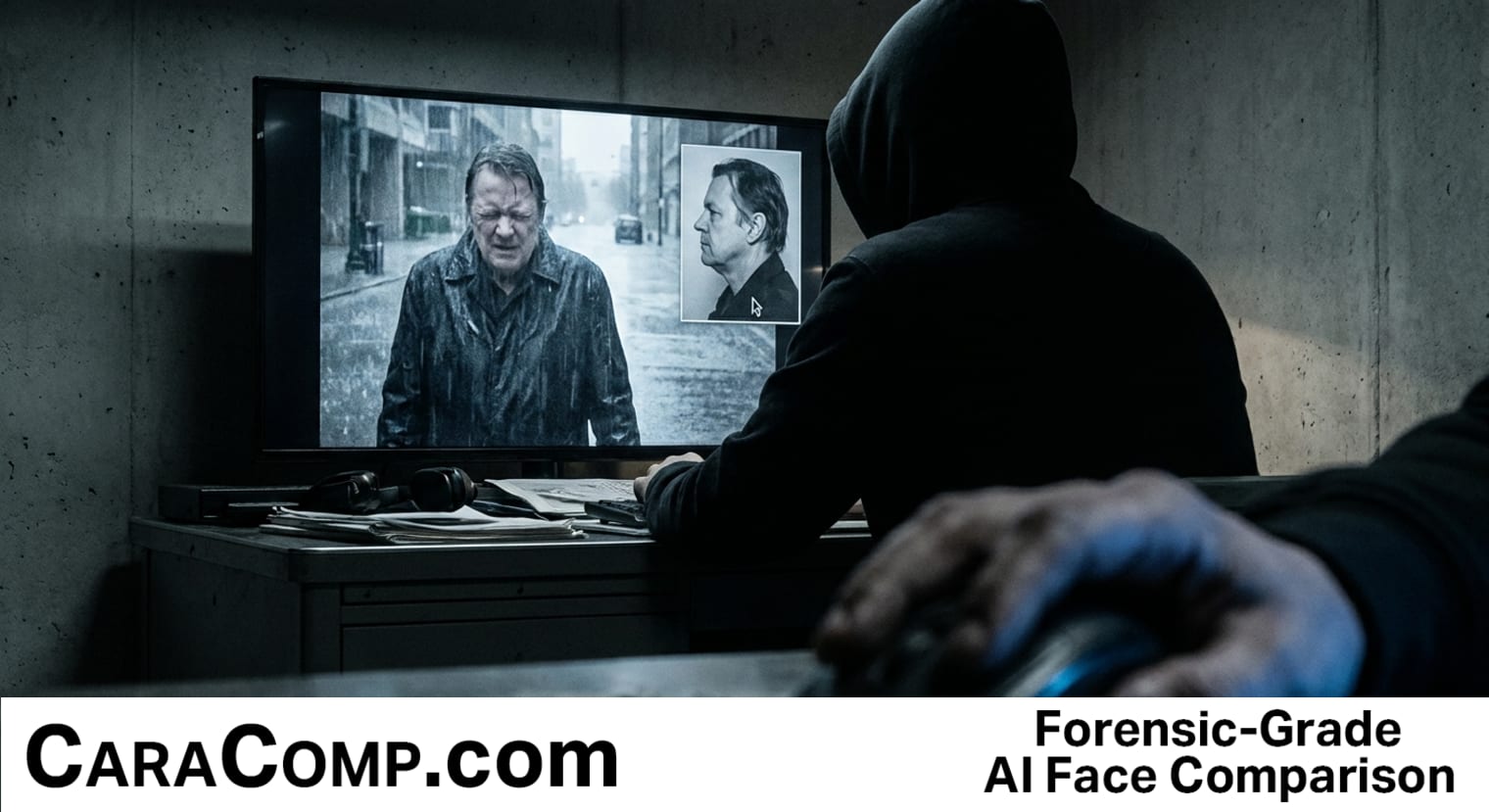
Your face isn't just a part of your identity anymore; in the eyes of the Irish government, it is becoming a permanent, searchable data point in a €150 million infrastructure project. The recent debate surrounding Ireland’s Garda (Recording Devices) Bill isn't actually about putting cameras on lapels—it’s about the massive, centralized biometric database that will inevitably follow.
For those of us in the investigative world, this is a classic case of mission creep. What starts as a tool for officer accountability quickly morphs into a passive surveillance dragnet. As an investigator, you know the difference between facial comparison—where you use specific evidence to find a match—and facial recognition, where a system scans every passerby to build a file. One is a professional investigative methodology; the other is a privacy nightmare that gives the entire industry a bad name.
The real danger here isn't the recording itself, but the "biometric analysis" definitions hidden in the bill. These vague terms allow for the kind of automated scanning that turns a routine traffic stop into a lifetime of data tracking. While enterprise-level tools for government agencies often thrive on these massive, ethically murky datasets, the solo private investigator or OSINT professional needs something different: precision, affordability, and a focus on comparison rather than mass surveillance.
- The "Accountability" Bait-and-Switch: Body cameras are sold to the public as a way to keep police honest, but without strict retention limits, they become a primary source for building a permanent, searchable identity database of citizens who have committed no crime.
- The Definition Gap: By failing to align with the EU AI Act, this bill creates a legal grey area where "investigative tech" can be used for broad monitoring. Professional investigators must distance themselves from these "big brother" tactics by using tools that focus on Euclidean distance analysis for specific case photos, not crowd scanning.
- Mission Creep is the New Standard: When €150 million is spent on infrastructure, the system will be used to its maximum capacity. We are moving toward a world where simply being in public is an act of "enrolling" in a government database.
As investigators, we have to be smarter than the headlines. We don’t need mass surveillance to close cases; we need reliable, side-by-side facial comparison that respects the boundary between professional analysis and overreaching surveillance. The future of our field depends on maintaining that line, even when the government chooses to blur it.
Read the full article on CaraComp: Your Face, Their Database: The Body-Cam Question Nobody's Asking


Comments
Post a Comment