Your Face or Your ID: Texas Wants Both Before You Download a Weather App
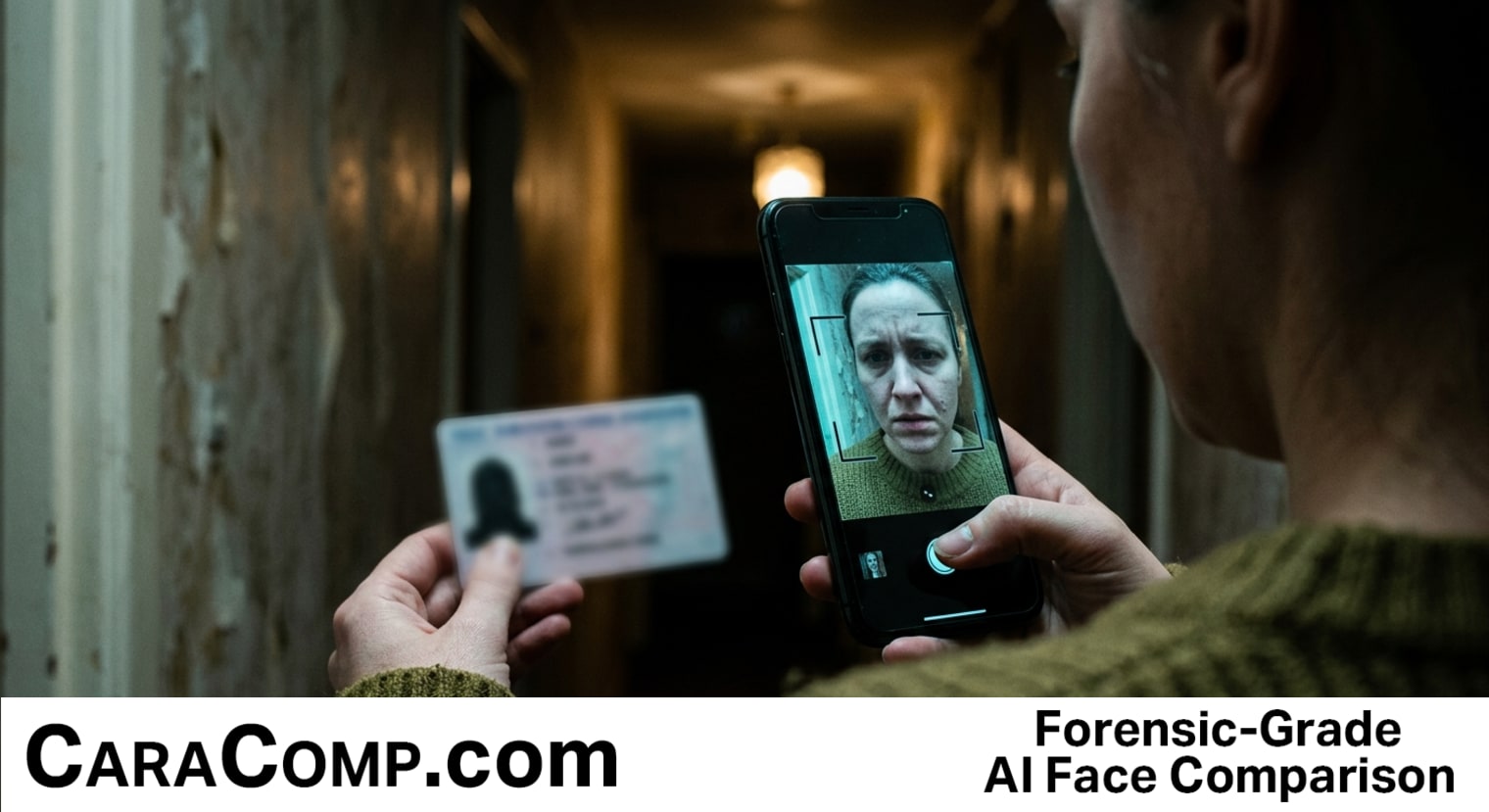
Texas is turning the digital storefront into a high-security checkpoint. If the state’s latest legislative push survives the Supreme Court, you won't just be downloading a weather app; you'll be presenting your biometric "papers" to a digital bouncer first. By requiring age verification for nearly every app on the market—not just adult content—Texas is forcing a massive, unvetted experiment in biometric normalization onto every smartphone owner in the state.
For those of us in the investigation and OSINT space, this move highlights a dangerous misunderstanding of how facial technology actually works. There is a massive chasm between facial age estimation (the "guessing" software Texas wants to use) and facial comparison (the Euclidean distance analysis professionals use to close cases). Texas is essentially asking consumer-grade AI to play judge and jury on your identity based on a low-res selfie, a process notoriously riddled with ethnic and age-based bias.
As investigators, we know that reliability is everything. When you’re tracking insurance fraud or conducting OSINT research, you can’t rely on a tool that "guesses" or has a high false-positive rate. Yet, Texas is ready to gate the entire internet behind these exact types of unreliable algorithmic guesses. This isn't just a privacy hurdle; it’s a structural failure in how biometrics are being deployed at scale.
- The Biometric Honeypot: Forcing millions of citizens to upload government IDs or facial scans just to access basic utilities creates a massive, centralized target for data breaches that puts every investigator’s personal security at risk.
- The Reliability Crisis: Normalizing "age guessing" AI undermines the public's trust in legitimate facial comparison technology. If the tool can't accurately tell a 17-year-old from a 19-year-old, why should the public trust it in a courtroom?
- Mission Creep: Moving the bouncer from the "adult store" to the "parking lot" of the app store sets a precedent where biometrics become a mandatory ticket for basic digital existence.
We are watching the line between professional-grade investigative tools and mandatory state surveillance blur in real-time. If the Supreme Court doesn't hold the line, the "identity gap" won't just be a problem for investigators—it will be a daily frustration for every citizen trying to check the morning forecast.
Read the full article on CaraComp: Your Face or Your ID: Texas Wants Both Before You Download a Weather App


Comments
Post a Comment