Your Face Just Became a Password You Can't Change
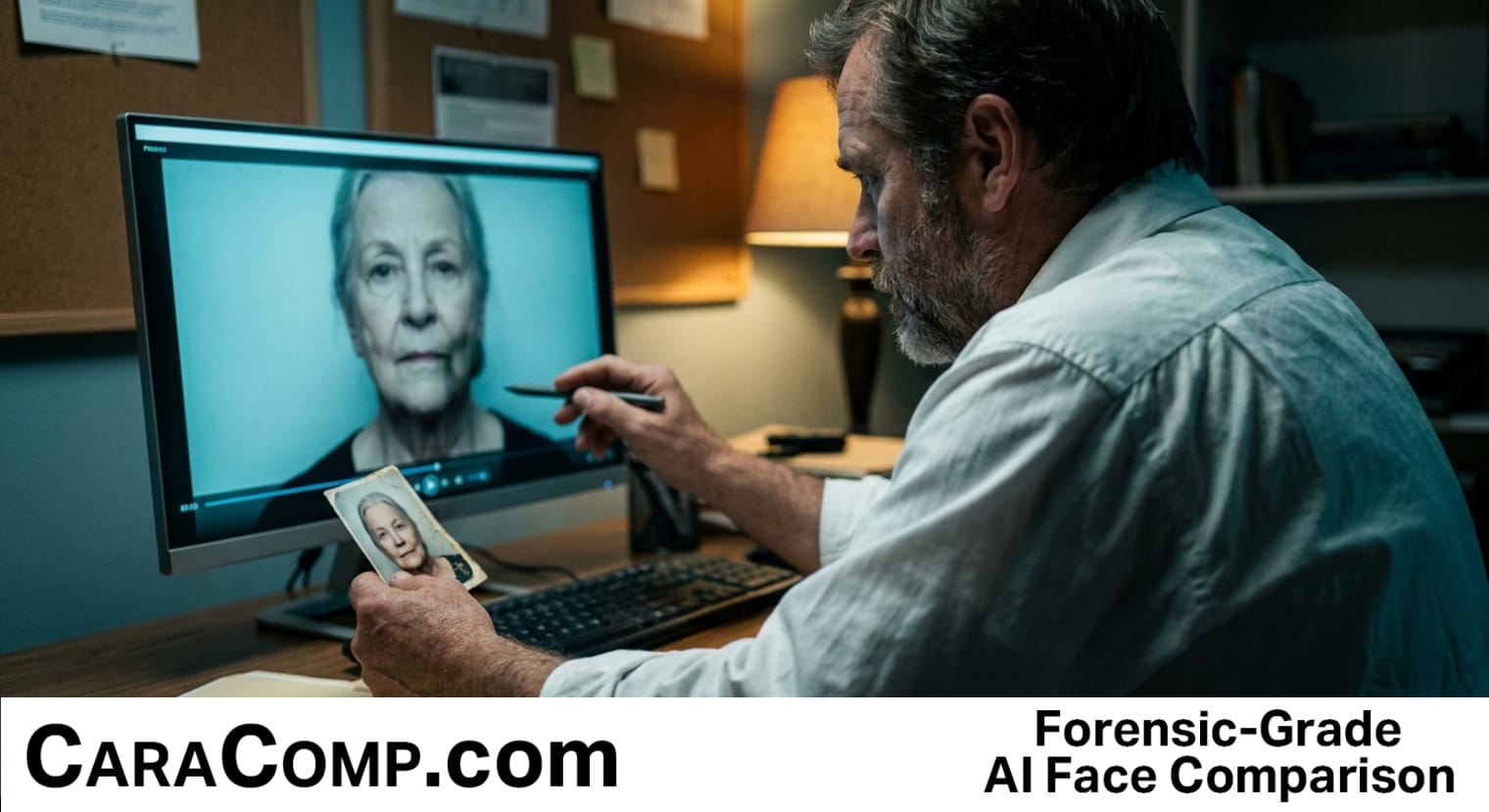
When injection attacks—fraudsters inserting synthetic faces into verification systems—spike by 1,151% in a single year, the investigative landscape doesn't just change; it breaks. We are moving toward a terrifying reality where your face is a password you can never reset, and the regulatory cavalry is still miles away from the front lines of identity fraud.
The "liar’s dividend" is no longer a theoretical risk for OSINT professionals and private investigators. It’s an active weapon. As deepfakes become sophisticated enough to fool even the closest family members, the ability to dismiss genuine evidence as "AI-generated" is the new go-to defense for criminals. If a solo investigator is still relying on manual side-by-side comparison or unreliable consumer-grade search tools, they aren't just behind the curve—they are becoming a liability to their clients. Manual verification in an age of 58% surges in identity fraud is like bringing a magnifying glass to a cyberwar.
While regulators bicker over transparency rules that won't be enforceable until late 2026, investigators are being squeezed by a tech gap. On one side, you have enterprise tools demanding $2,400 a year for high-level analysis. On the other, you have "free" tools with abysmal reliability ratings that won't hold up under the scrutiny of a courtroom. There is a massive, dangerous gap between "surveillance" (which we don't do) and professional "facial comparison." The former is a policy headache; the latter is a fundamental requirement for modern case analysis. To stay relevant, solo firms must bridge this gap without sacrificing their entire annual margin.
- Biometric data is being hoarded under the guise of safety mandates, creating a massive honeypot for hackers and a nightmare for future identity verification.
- The erosion of "visual truth" means investigators must pivot from simple identification to rigorous, court-ready comparison that relies on mathematical Euclidean distance, not just a subjective gut feeling.
- Technology gatekeeping is leaving small firms vulnerable, as the high cost of enterprise-grade analysis prevents the very people on the front lines from countering high-tech fraud effectively.
The solution isn't waiting for a law to protect your client's identity. It’s about adopting the same caliber of tech used by federal agencies—at a price point that makes sense for a solo firm. In a world of synthetic identities, the investigator with the most precise analysis tools is the only one who can still find the truth.
Read the full article on CaraComp: Your Face Just Became a Password You Can't Change


Comments
Post a Comment