Your Face Is Forever. Your Boss's Insurance Isn't.
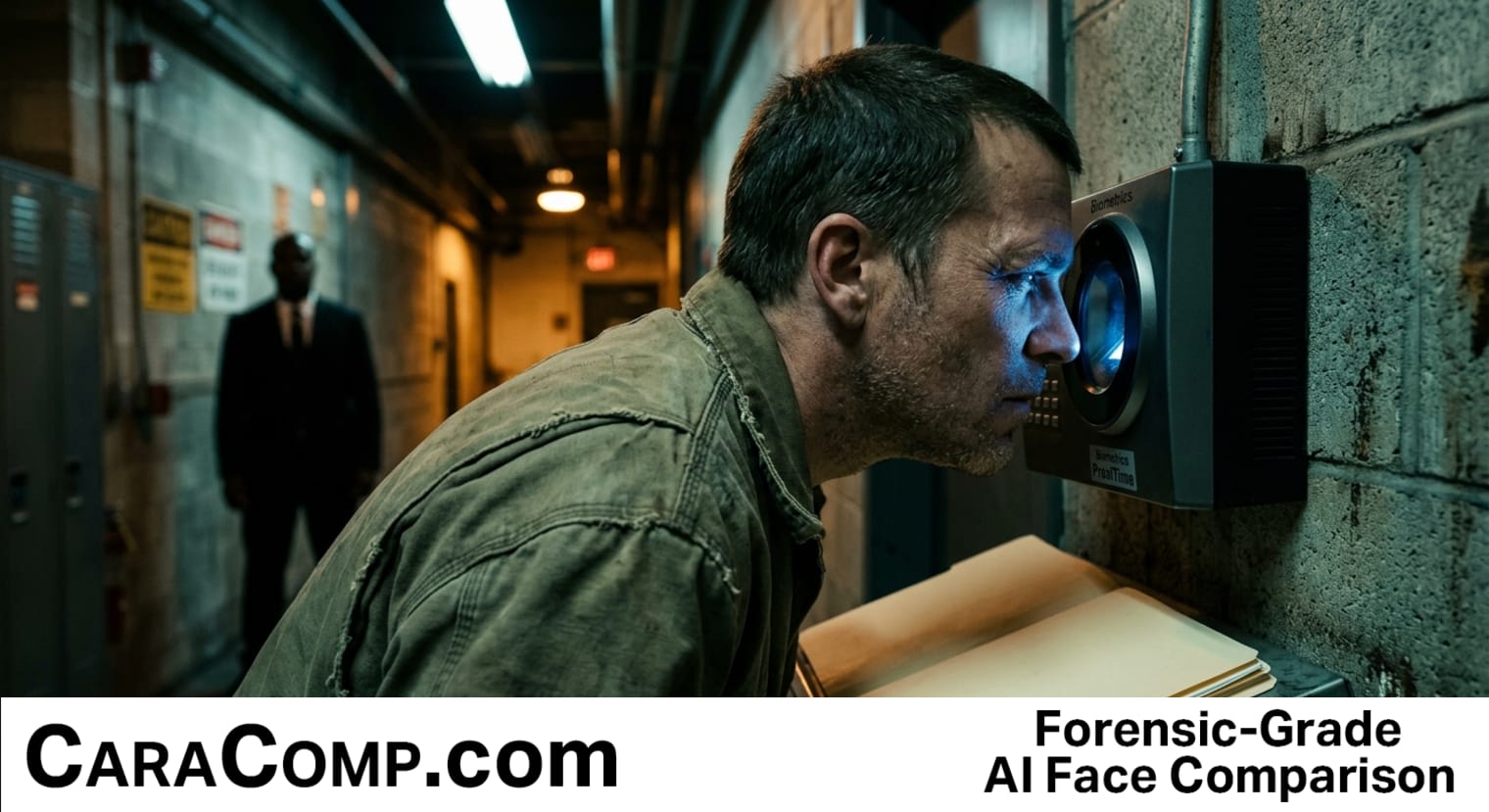
Your employer’s insurance provider just sent a clear message: if you mishandle biometric data, you are on your own. A federal judge recently closed the book on a lawsuit where an employer tried to force their insurer to pay for a Biometric Information Privacy Act (BIPA) settlement. The insurer refused, the case was dismissed, and the industry is left with a chilling reality. In the eyes of the insurance world, facial data is becoming a "toxic asset" that they have no intention of protecting.
For the private investigator or OSINT professional, this isn't just a corporate HR story; it’s a warning shot about the tools we use and how we present evidence. The legal fallout surrounding BIPA isn't actually about data breaches or hackers—it is about the simple act of collecting and comparing facial templates without a rigorous, professional framework. While insurance companies are running away from biometric liability, solo investigators are often left caught between two extremes: enterprise tools that cost $2,000 a year and "consumer" search tools that have the reliability of a coin flip.
The industry is moving toward a hard line between surveillance and professional comparison. If you are staking your reputation on a facial match, you cannot rely on tools that lack court-ready reporting or use "black box" algorithms. The news shows that "oops, I didn't know" is no longer a valid legal defense. Investigators need tools that focus on Euclidean distance analysis—the scientific standard for facial comparison—rather than mass-scanning crowds in a way that triggers privacy lawsuits.
- Insurance carriers are effectively designating biometric data as a "toxic asset," forcing firms to shoulder 100% of the legal risk for improper handling or non-compliant analysis.
- The legal distinction between mass facial surveillance and professional facial comparison is hardening, making court-ready reporting and standardized methodology more valuable than ever for private investigators.
- Solo investigators must pivot to affordable, enterprise-grade comparison tools to maintain their edge without taking on the massive liability associated with unreliable, consumer-grade search engines.
As the legal landscape shifts, the investigators who thrive will be the ones who treat facial comparison as a forensic science rather than a digital shortcut. You can reset a password, but you can’t reset a face—and as this court case proves, you can't always count on insurance to bail you out when the methodology is questioned.
Read the full article on CaraComp: Your Face Is Forever. Your Boss's Insurance Isn't.


Comments
Post a Comment