Your Face Is About to Become Your Phone Number
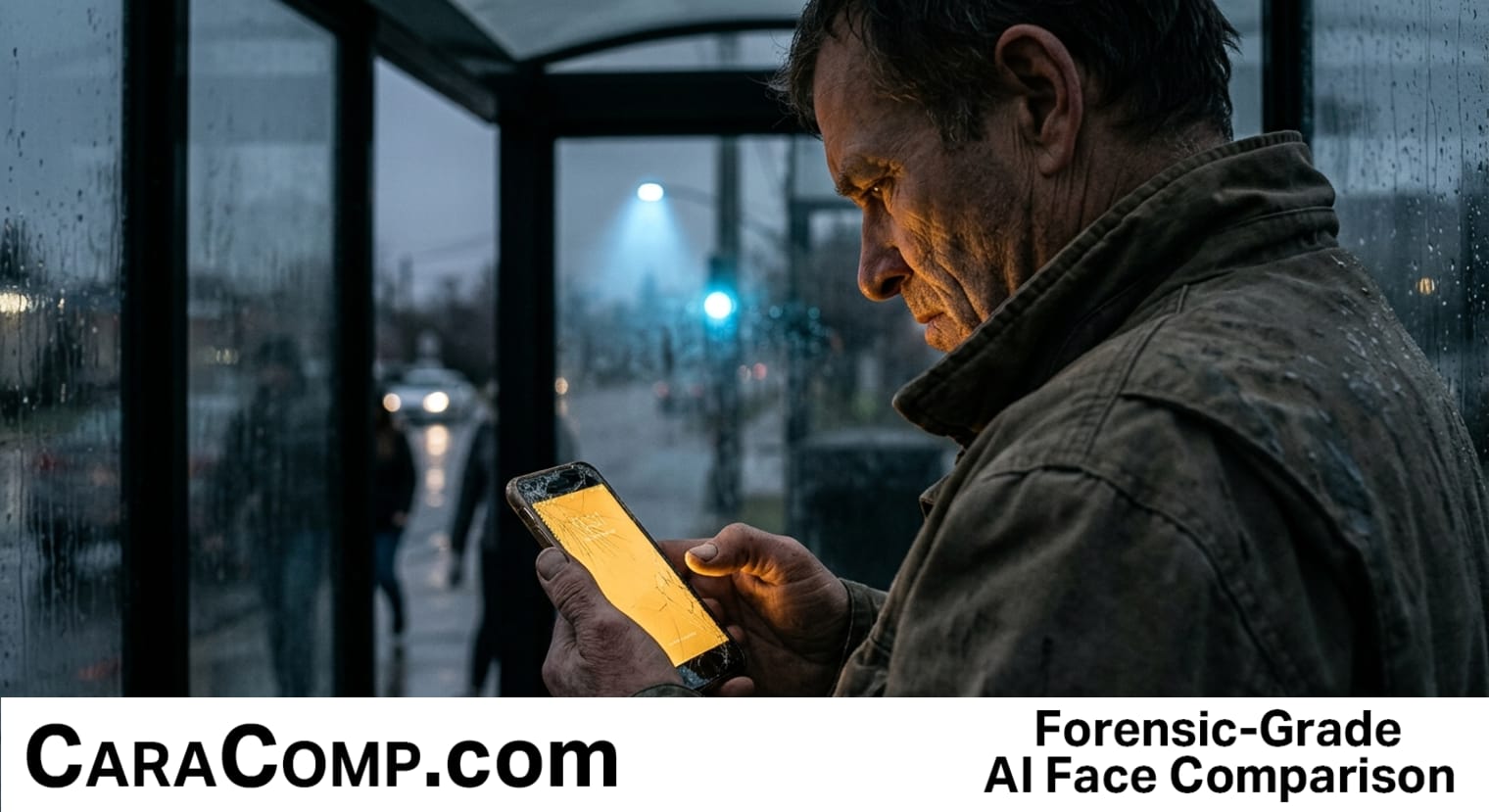
If your face fails a seventeen-cent automated scan, your digital life is effectively over. In Indonesia, the government is about to make this a reality by mandating biometric facial scans for every SIM card activation. While telecommunications giants bicker over who pays the 17-cent verification fee, the real story for investigators and OSINT professionals is the massive shift in how identity is being anchored to biometrics globally.
This isn't just a regional experiment; it’s a blueprint. From Mexico to Nigeria, your face is becoming your permanent phone number. For the private investigator or insurance fraud specialist, this rollout highlights a critical gap in the market. While governments are racing to deploy "good enough" facial verification to stop $407 million in annual fraud, they are relying on high-speed, low-cost liveness checks that frequently fail ordinary people. In the investigative world, we know that "good enough" is a liability. You can’t stake a professional reputation on a tool with a high false-positive rate or a 17-cent reliability standard.
- Biometric mandates will turn facial comparison into a baseline investigative skill. As phone numbers become tied to verified faces, investigators will increasingly need to cross-reference these identities across case photos and public records using Euclidean distance analysis.
- The "17-cent" reliability trap will create a massive demand for professional-grade tools. When government-mandated scans fail, individuals and firms will need expert facial comparison—not just crowd surveillance—to prove or disprove identity with court-ready evidence.
- Investigation technology must move faster than regulation. While enterprise-level tools remain locked behind five-figure contracts, the "identity anchor" shift means solo PIs need the same Euclidean analysis power right now to stay competitive.
At CaraComp, we see this as a turning point. The difference between controversial "recognition" and standard "comparison" methodology is becoming the line between success and a lawsuit. If you are still manually comparing faces across hundreds of case photos while the world moves toward biometric-first identity, you are already behind. The future of investigation technology isn't just about finding a face; it’s about the scientific side-by-side analysis that stands up when the automated systems fail.
Read the full article on CaraComp: Your Face Is About to Become Your Phone Number


Comments
Post a Comment