Your Face Is About to Approve a $50,000 Wire. Scammers Already Know It.
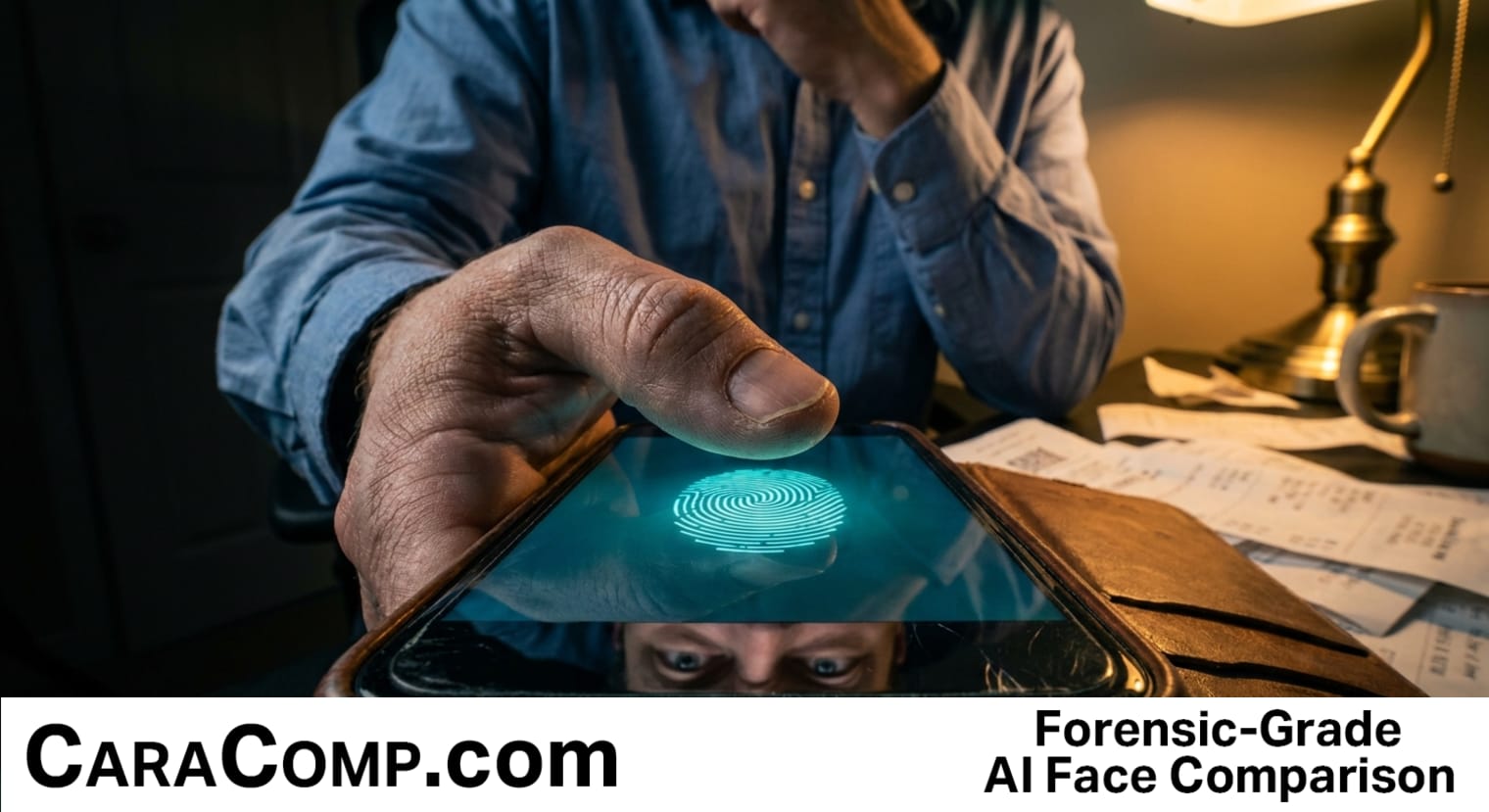
Your face is no longer just a way to unlock your iPhone; in the eyes of the EU, it is about to become a legally binding corporate signature. The recent advancement of the EU "business wallet" framework means that a simple biometric prompt on your phone could soon authorize a $50,000 vendor payment or sign a high-stakes contract. While Brussels is busy celebrating the projected €150 billion in administrative savings, they are glossing over the massive target this paints on every employee’s back.
For the professional investigator, this isn’t just a policy update—it’s a fundamental shift in the nature of evidence. We are moving away from the era of "stolen passwords" and into the era of "misappropriated biometrics." When a fraud case lands on your desk in 2026, the question won't be "Who had the password?" but "Whose facial comparison authorized this wire?"
The framework relies on "Level of Assurance High" standards, utilizing Euclidean distance analysis and spoof detection to ensure a face isn't just a photo. But as seasoned OSINT and fraud professionals know, the technology is rarely the point of failure—the human is. Scammers are already perfecting scripts that mimic these official identity prompts. They don't need to "hack" the facial comparison; they just need to trick an employee into performing it at the wrong time for the wrong reason.
As these digital wallets become standard, the demand for affordable, enterprise-grade facial comparison tools for solo investigators will skyrocket. If you can’t verify a biometric trail with the same precision as federal agencies, you aren't just behind the curve; you're irrelevant to the modern fraud case. The future of investigation is side-by-side, court-ready analysis that proves—or disproves—the identity behind the authorization.
- Biometric signatures are replacing the digital paper trail, forcing investigators to shift their focus from metadata and logs to high-precision facial comparison and "biometric trail" verification.
- The "Education Gap" is the new vulnerability, as employees will be encountering these professional identity prompts for the first time with zero training on how to spot a sophisticated spoof or social engineering attempt.
- Professional-grade analysis is no longer optional for small firms, as the legal weight of a facial-authorized transaction requires court-ready reporting that manual comparison simply cannot provide.
Read the full article on CaraComp: Your Face Is About to Approve a $50,000 Wire. Scammers Already Know It.


Comments
Post a Comment