Your Face at Work Is Now AI Training Data — And You Probably Already Said Yes
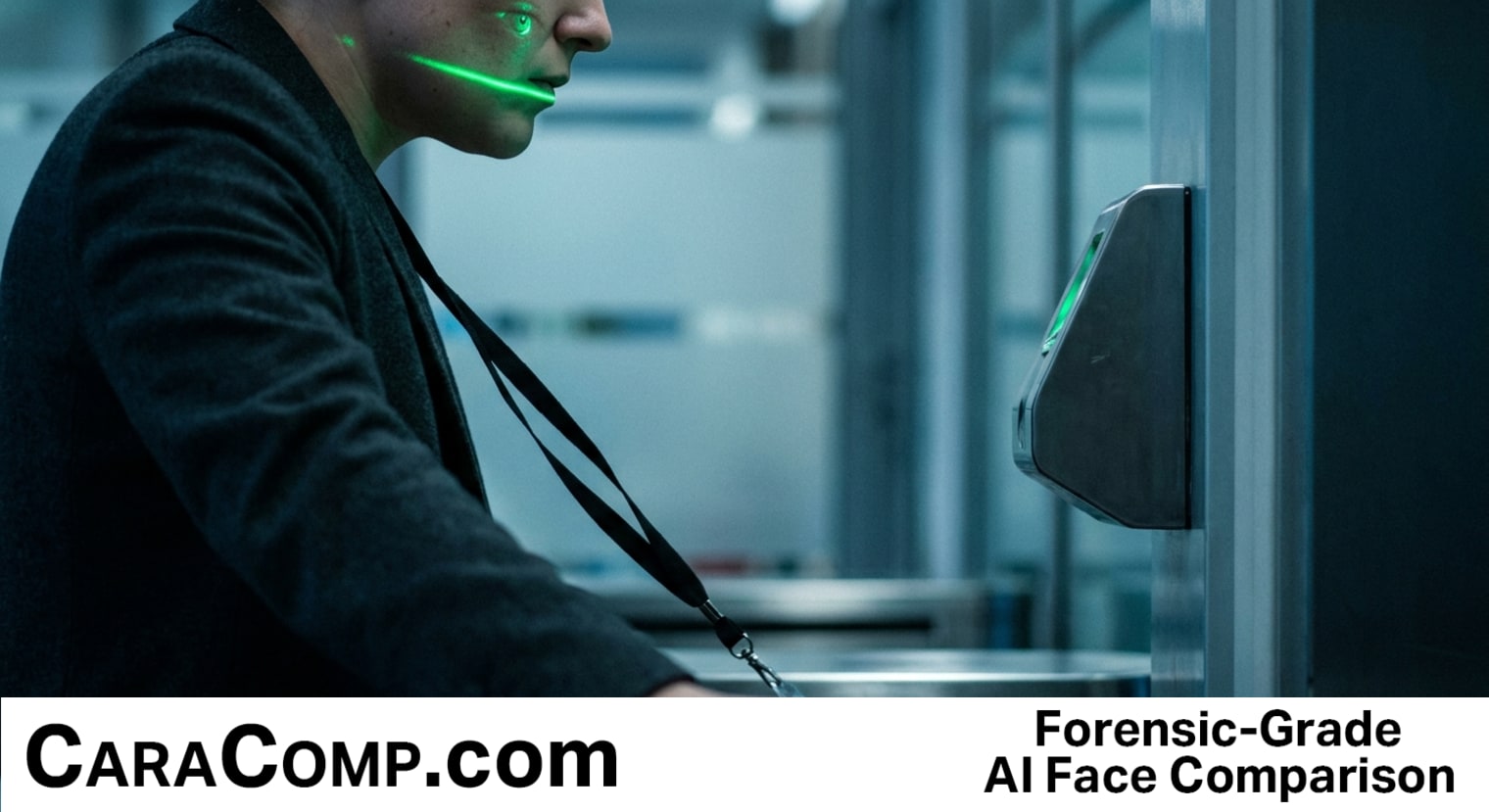
Your face isn’t just your identity anymore; it is raw material for an AI training dataset, and if you work in the corporate world, you may have already surrendered it without a fight. The recent reports surrounding xAI allegedly using employee biometric data to train AI companions highlight a massive shift in how "security scans" are being repurposed into corporate assets. For the professional investigator, this isn’t just a privacy story—it’s a warning about the integrity of biometric data and the widening gap between ethical comparison and mass harvesting.
The "function creep" reported at xAI—where data collected for one purpose (building access) is used for another (AI training)—is a wake-up call for OSINT researchers and private investigators. We are entering a period where the biometric "digital footprint" is expanding faster than the laws meant to govern it. While the mainstream media focuses on the "creep" factor, industry insiders need to look at the structural reality: biometric data is becoming a commodity. When a security scan for badge access suddenly becomes a data point for a neural network, the line between investigative utility and data exploitation disappears.
At CaraComp, we’ve always maintained that facial comparison should be a targeted, manual tool for specific cases—not a dragnet. This controversy proves why investigators need to own their tech stack and use tools that prioritize Euclidean distance analysis over mass-surveillance databases. If you are relying on free consumer tools with poor reliability scores, you aren’t just getting bad results; you are often feeding your case data into the very machines that are blurring these ethical lines.
- The Erosion of Biometric Integrity: What starts as a simple building access scan can be legally repurposed into training data in most U.S. states, creating a permanent, unchangeable biometric footprint that investigators must account for when tracking subjects or identifying individuals in digital environments.
- Comparison vs. Recognition: This controversy reinforces the need for ethical facial comparison tools—where the investigator controls the photos and the analysis—rather than contributing to opaque, centralized recognition databases that often provide no court-ready reporting.
- The Death of "Voluntary" Consent: When biometric data collection is tied to employment or building access, consent becomes a myth. For investigators, this means the volume of biometric data available in the wild is about to explode, making high-precision comparison tools more critical than ever for sorting through the noise.
Professional investigators require technology that stays within the bounds of a specific case file. We aren't scanning crowds; we are providing 1:1 or 1:many analysis that solves insurance fraud and closes cases. The solo PI shouldn't have to choose between tools that are financially out of reach and those that are ethically compromised.
Read the full article on CaraComp: Your Face at Work Is Now AI Training Data — And You Probably Already Said Yes


Comments
Post a Comment