Your Face at Work Is Now 128 Numbers — and You Can't Take It Back
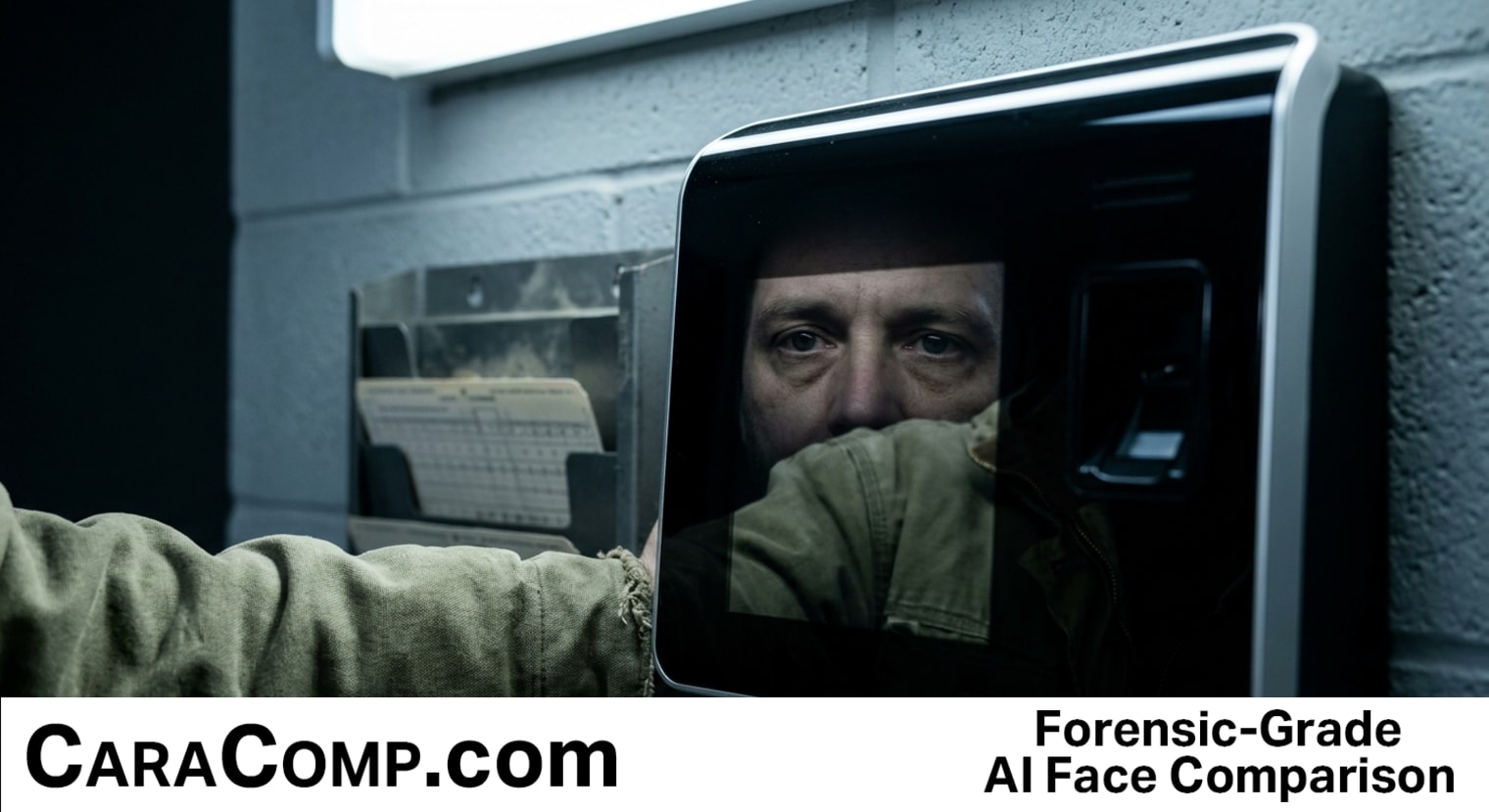
Your face is no longer just a feature; it is a 128-digit mathematical signature that never expires. While you might think you are simply "clocking in" for a shift, you are actually feeding a high-dimensional database a permanent map of your identity—one that cannot be reset like a password if the data is ever compromised. The regulatory hammer is finally swinging back against the casual use of this technology for mundane HR tasks, and the implications for the investigative community are massive.
The recent ruling in Türkiye, which banned biometric attendance tracking even with employee consent, signals a major shift in how the world views biometric templates. Regulators are beginning to realize that using Euclidean distance analysis—the same powerful math we use to catch insurance fraudsters—for simple time-tracking is like using a surgical laser to cut a blade of grass. It is a question of proportionality. For solo private investigators and OSINT professionals, this legal friction creates a clear divide: facial comparison is a professional investigative methodology, not an administrative convenience.
At CaraComp, we see this as the "professionalization" of the industry. When biometrics are used for surveillance or attendance, they invite heavy-handed regulation. However, when used as a targeted facial comparison tool for specific case analysis, they remain the gold standard for evidence. The "128 numbers" mentioned in the news are the same embeddings that allow a PI to take a blurry CCTV frame and match it against a social media profile with mathematical certainty. We are moving toward a future where the tech is more accessible than ever, but the legal burden of "why" you are using it is becoming more stringent.
- Biometric Permanence vs. Transactional Data: Unlike an RFID badge, a facial embedding is a permanent representation of physical identity. Once it is stored in a database, it creates a lifelong searchable asset that requires enterprise-grade protection.
- The Rise of Proportionality in Investigations: Regulators are targeting "passive" use cases like HR attendance. This reinforces the value of "active" facial comparison for investigators who use the tech for specific, high-stakes identification in fraud and skip tracing.
The tech that was once reserved for federal agencies is now in the hands of every solo investigator. As the workplace exits the biometric space, the professional investigator must step up to lead it ethically and efficiently.
Read the full article on CaraComp: Your Face at Work Is Now 128 Numbers — and You Can't Take It Back


Comments
Post a Comment