Your Face, 50 Different Rulebooks: The Zip Code Loophole Nobody Warned You About
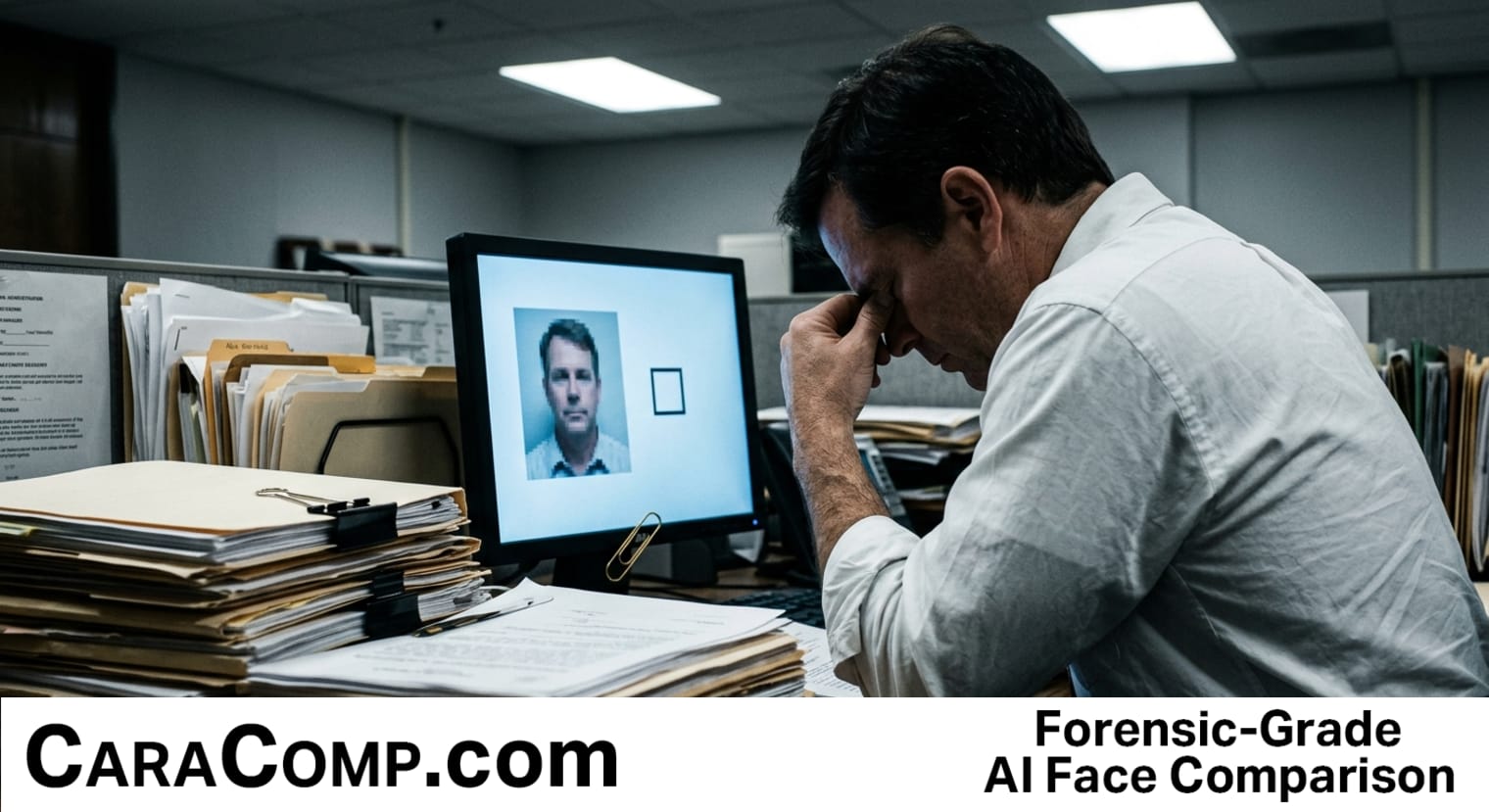
A 99.88% match rate doesn't mean a thing if a judge tosses your evidence because of a zip code. While the industry has been obsessed with the accuracy of facial algorithms, a far more dangerous trap has been set for private investigators and OSINT researchers: the regulatory buzzsaw of 50 different state rulebooks. We have reached a point where the math of facial comparison is settled, but the legality of using it is a fragmented nightmare.
For the solo PI or the small agency, this isn't just a compliance headache—it is a threat to their reputation. If you are conducting a skip trace or investigating insurance fraud, the tools you use must respect the distinction between scanning a crowd for surveillance and performing a specific facial comparison on case-related photos. Most "consumer-grade" search tools ignore these nuances, leaving investigators exposed to laws like Illinois’ BIPA or Texas’ strict biometric privacy statutes. You might find your subject, but if your methodology doesn't hold up in a deposition because of how the data was handled, the win is hollow.
The surge of over 1,500 AI-related bills across 45 states proves that the "wild west" era of biometrics is over. For professionals, the focus is shifting away from "can this tool find a match?" to "can this tool provide a court-ready report that survives a challenge?" We are moving toward a layered regulatory environment where federal standards will stack on top of state protections, not replace them. Investigators who rely on unverified, "black box" tools are gambling with their licenses.
- Admissibility is the new Accuracy: A perfect Euclidean distance match is worthless if the collection method violated the specific privacy statutes of the subject's home state.
- The "Comparison" Safeguard: There is a critical legal bridge between mass surveillance and targeted facial comparison. Investigators must use tools built for the latter to maintain professional standards and avoid "Big Brother" scrutiny.
- Reporting is Mandatory: Manual comparisons and screenshots are no longer enough. The next generation of investigative tech must produce documentation that proves a logical, defensible process was followed.
The smart investigator isn't the one with the most expensive software; it’s the one who understands that technology is only as good as the legal framework supporting it. As states continue to move faster than the federal government, having a reliable, comparison-focused methodology is the only way to stay ahead of the curve.
Read the full article on CaraComp: Your Face, 50 Different Rulebooks: The Zip Code Loophole Nobody Warned You About


Comments
Post a Comment