Your Digital ID Looks Safe. The 3 Things That Actually Prove It Aren't on the Screen.
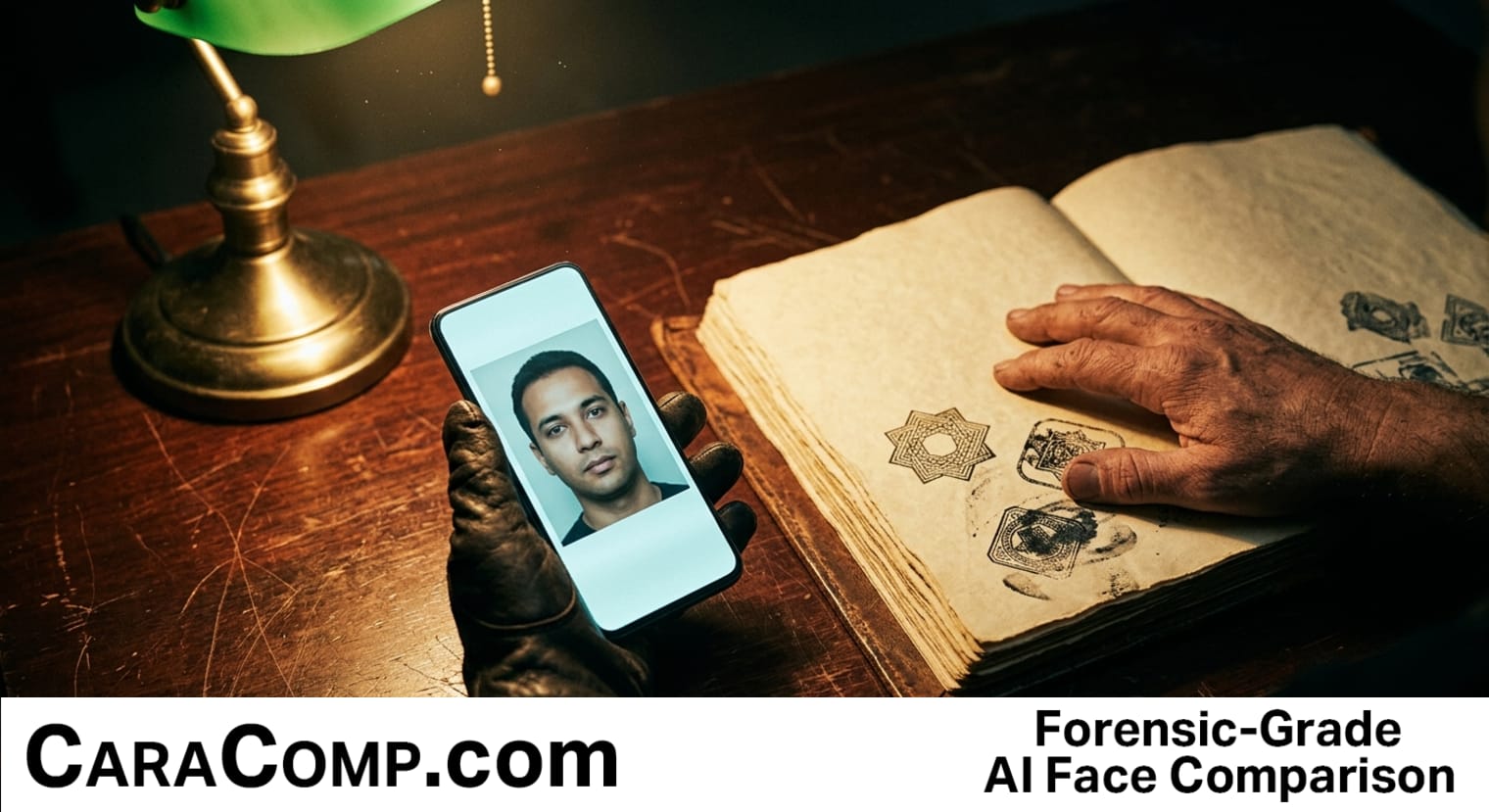
You can have a perfect, military-grade biometric match on a completely fraudulent identity. It is the most sophisticated distraction in modern technology: the "Biometric Halo." We see a clean user interface, a successful face scan, and an official-looking digital seal, and we instinctively assume the data is legitimate. But for the professional investigator, that assumption is a career-ending trap.
The surge of digital ID wallets—driven by the EU’s aggressive 2026 rollout—is creating a massive governance gap that OSINT researchers and private investigators aren't prepared for. Most people believe the face scan is the "proof." It isn't. The biometric check is merely the doorman; it confirms the person holding the phone is the person who registered the wallet. It says absolutely nothing about whether the credentials inside are forged, expired, or issued by a basement-tier authority.
At CaraComp, we focus on the raw science of facial comparison because we know that "looking official" doesn't hold up in court. In a world moving toward digital-first credentials, the real evidence isn't on the screen—it's in the issuer’s signature and the trust registry. If you aren't verifying the authority behind the pixel, you aren't investigating; you're just spectating. High-assurance identity requires more than a "green checkmark" on a smartphone; it requires the same rigorous Euclidean distance analysis and side-by-side scrutiny that seasoned professionals use to close cases.
- Biometrics are an access control, not a truth-teller: A successful facial comparison only proves device ownership. Investigators must look past the scan to verify the "Issuer" is an authorized entity on an active trust registry.
- The "Revocation Gap" is a liability: A digital ID can look perfect while being legally dead. Without real-time revocation checking, investigators risk building cases on credentials that were retracted months ago.
- Governance is the invisible evidence: The shift to digital wallets moves the burden of proof from the physical document to the cryptographic chain. Professionals who can’t navigate trust registries will be left behind by those using enterprise-grade comparison tools.
The "envelope" of the digital wallet is becoming more secure, but the "letter" inside is where the fraud lives. Don't let a slick UI blind you to the fact that identity is only as good as the governance rules supporting it. Stop relying on the app’s word and start analyzing the data.
Read the full article on CaraComp: Your Digital ID Looks Safe. The 3 Things That Actually Prove It Aren't on the Screen.


Comments
Post a Comment