Your Car's AI Just Got the Same Rulebook as Surgical Robots
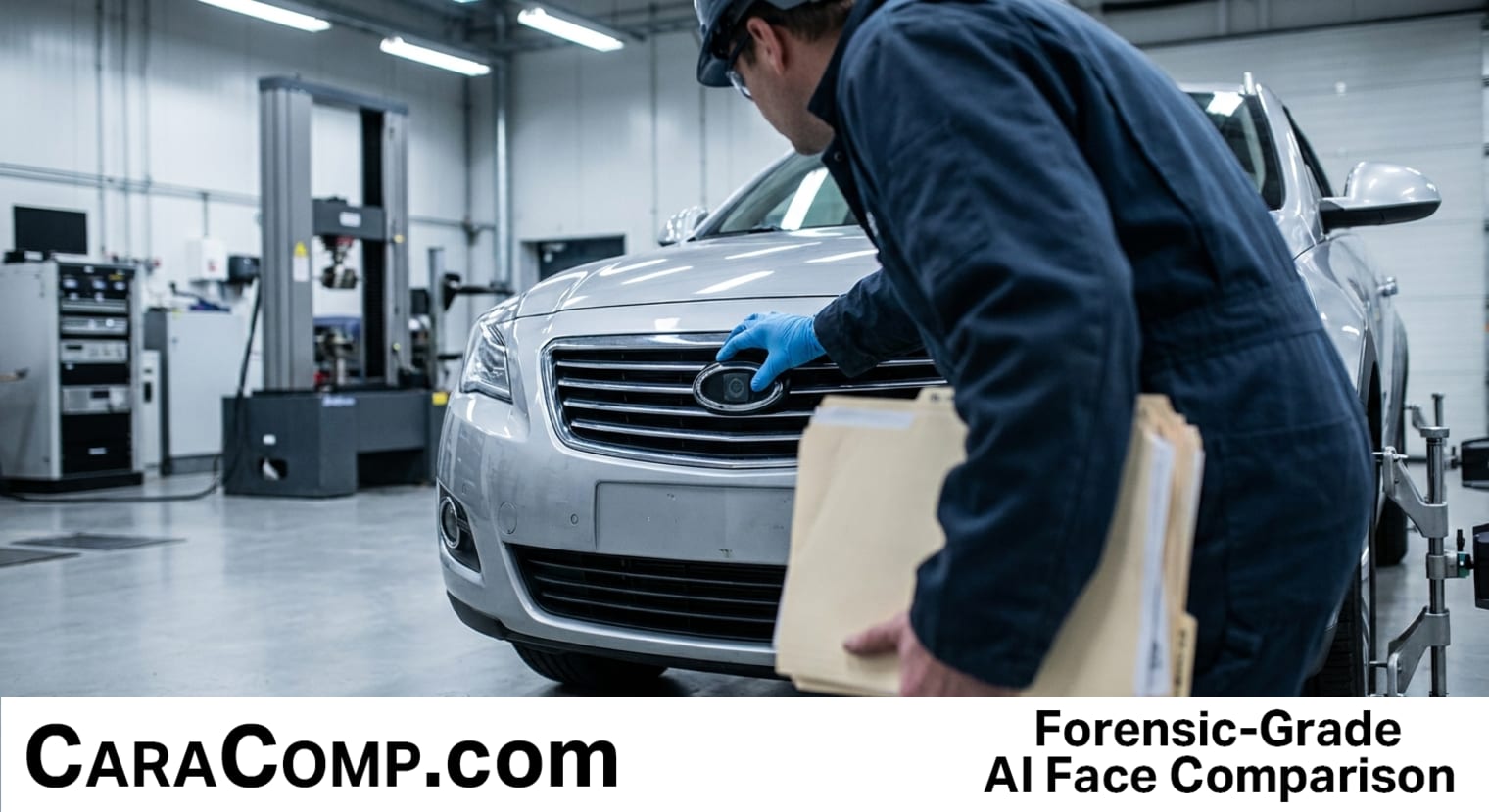
If your car’s lane-assist algorithm now requires the same regulatory "paper trail" as a surgical robot, why are you still staking your investigative reputation on unverified, consumer-grade facial search tools? The EU’s move to classify automotive ADAS as "high-risk" isn't just a headache for car manufacturers—it’s a warning shot to every private investigator and OSINT professional relying on "black box" technology.
The core of the new EU AI Act is accountability. When an algorithm makes a decision that affects physical safety—like nudging a steering wheel—the manufacturer must prove the data was unbiased, the testing was rigorous, and a human can override the output. For the modern investigator, the parallel is inescapable. If you are presenting facial comparison evidence in a fraud case or a missing persons report, "the AI said so" is no longer a professional standard. You need the same level of Euclidean distance analysis used by enterprise firms, but without the gatekept $2,000 annual contracts.
We are seeing a massive shift where "transparency" is replacing "magic" in the AI space. Many solo PIs are still wasting hours on manual comparisons or using unreliable search tools that offer zero court-ready reporting. These tools might be "affordable," but they fail the audit test that regulators are now making standard for other high-stakes industries. If an algorithm is helping you identify a subject, you need to know how it reached that conclusion. Is it using industry-standard comparison metrics, or is it just a glorified guessing game?
As regulation tightens, investigators who use enterprise-grade methodology will stay ahead of the curve, while those relying on low-reliability consumer tools will find their evidence shredded by savvy defense attorneys.
- The "Black Box" era is ending: Just as car manufacturers must document training data, investigators must use tools that provide professional, traceable reporting rather than vague "match percentages."
- High-risk means high-standard: When AI affects lives or livelihoods, the methodology—specifically Euclidean distance analysis—must be defensible in a legal environment.
- Affordability vs. Compliance: The industry is moving toward a middle ground where solo investigators can access "high-risk" grade precision without the enterprise price tag.
Read the full article on CaraComp: Your Car's AI Just Got the Same Rulebook as Surgical Robots


Comments
Post a Comment