Your Boss Wants Your Fingerprint to Clock In. One Country Just Said No.
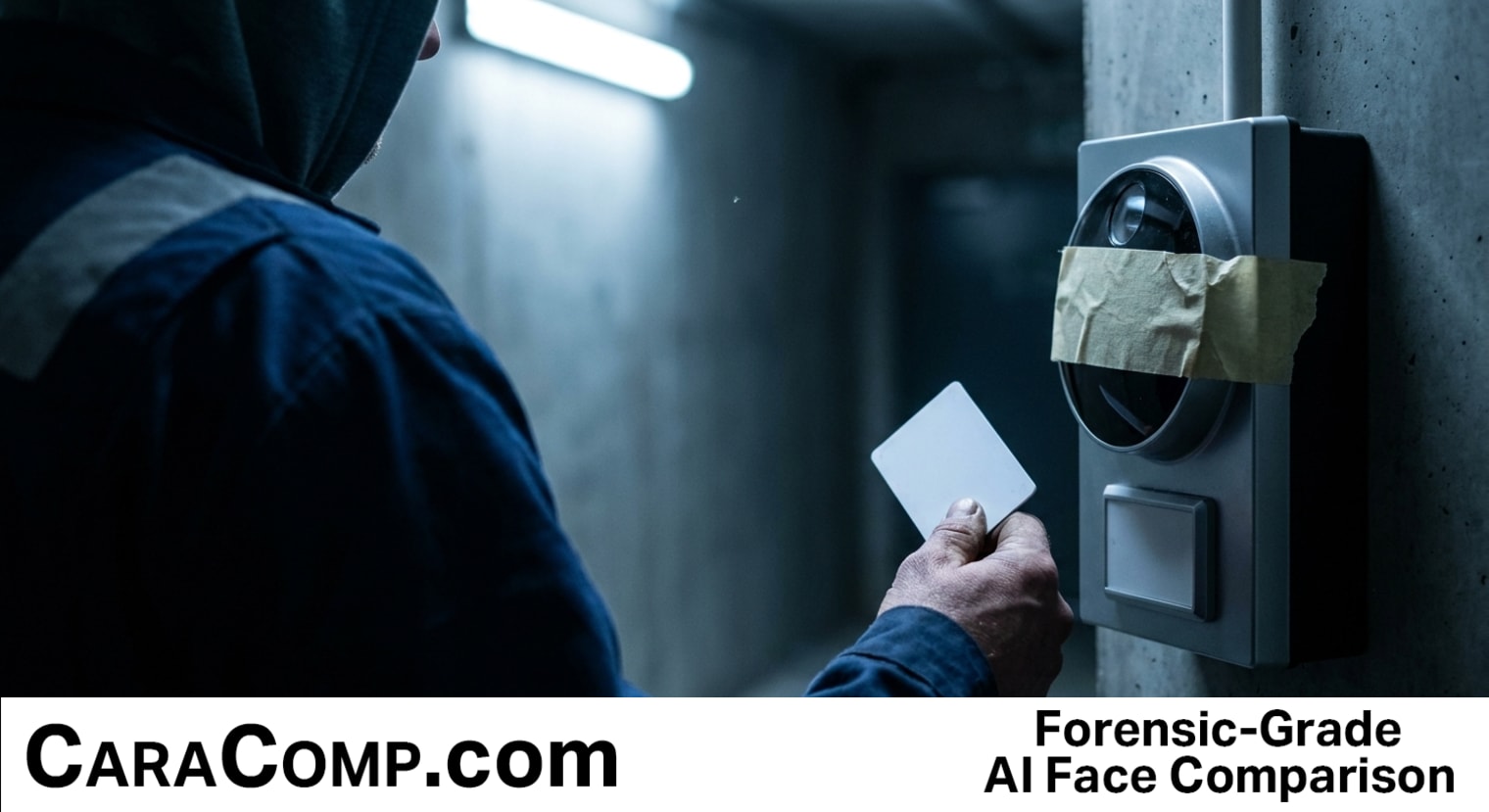
Your signature is worthless when your paycheck is held hostage. That is the explosive reality behind Türkiye’s recent landmark ruling against workplace biometric tracking. By declaring that employees cannot "freely consent" to facial or fingerprint scans when their livelihood depends on it, regulators have officially declared war on the era of administrative overreach. For the investigation industry, this isn't just a privacy win; it’s a massive clarification of where the line is drawn between surveillance and forensic analysis.
As an investigator, you need to understand the shift: the world is souring on mass biometric scanning for convenience. When a company demands a face scan just to "punch a clock," they are using high-level biological data for low-level administrative tasks. This is the definition of disproportionate. However, for solo private investigators and OSINT professionals, this ruling actually strengthens our position. It separates the "creepy" corporate tracking systems from professional facial comparison—the standard investigative methodology used to verify identities in specific case files.
The "wild west" of biometrics is being fenced in. If you are still relying on manual "eyeballing" or using shaky consumer-grade search tools that offer no methodology, you are leaving yourself exposed. The future of the field belongs to those who use precise, Euclidean distance analysis to provide objective evidence that holds up under this new wave of scrutiny. As regulators tighten the screws on how data is collected, the value of professional, court-ready reporting skyrockets.
- The "Consent Shield" is dead — Investigators can no longer hide behind fine-print waivers; methodology must be grounded in necessity and proportionality to survive legal challenges.
- Comparison over Recognition — The industry is pivoting away from mass scanning toward targeted facial comparison, where professional tools analyze specific images rather than monitoring populations.
- Reporting is the new currency — As laws like Türkiye’s become the global blueprint, having a professional paper trail for how a match was determined is the only way to protect your reputation.
Don't get caught on the wrong side of this shift. The investigators who will thrive are those using enterprise-grade tech to close cases without crossing the line into unlawful surveillance. It’s time to move beyond the "clock-in" mentality and embrace professional case analysis.
Read the full article on CaraComp: Your Boss Wants Your Fingerprint to Clock In. One Country Just Said No.


Comments
Post a Comment