Your Boss Got Your Face. A Signed Form Won't Save Either of You.
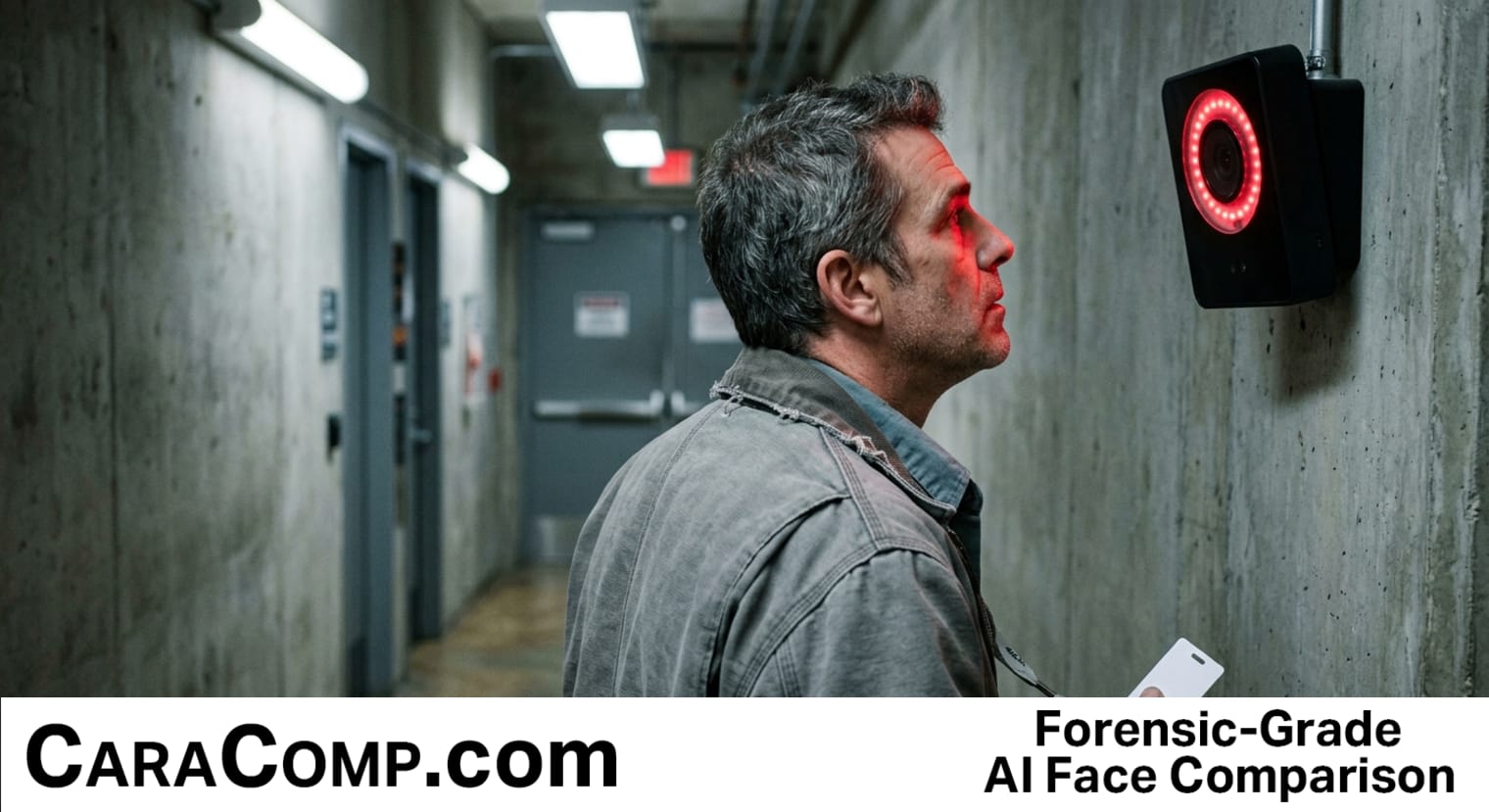
A signed consent form is legally worthless when you are using a bazooka to swat a fly. That is the expensive lesson a Turkish employer just learned after being hit with a TRY 500,000 fine for using facial recognition to track employee attendance. Despite having signed "permission" from every worker, the data protection authority ruled the move illegal. Why? Because you don't need a permanent biological identifier to prove someone showed up at 9:00 AM. A PIN code or a plastic badge works just fine.
This ruling is a massive signal to the investigation and security industry: the days of "lazy biometrics" are over. For too long, companies have blurred the line between legitimate facial comparison—used by investigators to solve crimes or identify fraud—and passive surveillance for administrative convenience. Regulators are finally stepping in to say that biometric data is not just another data point; it is a permanent, unchangeable part of a human being that deserves the highest level of protection.
For private investigators, OSINT professionals, and law enforcement, this distinction is actually a competitive advantage. The backlash isn't against the technology itself, but against its use as a "Big Brother" tool for mundane tasks. When we use facial comparison for professional case analysis, we are operating under a standard of "factual necessity." We aren't scanning a crowd to see who is late for lunch; we are comparing specific evidence to identify a subject of interest in a legitimate investigation. This ruling reinforces that facial comparison belongs in the hands of the professional investigator, not the HR manager.
As we move forward, the industry must pivot toward tools that focus on "comparison" (side-by-side analysis of specific photos) rather than "scanning" (mass data harvesting). The legal landscape is clearly moving toward a "proportionality" standard that favors targeted, manual-control tools over automated, invasive systems.
- Consent is no longer a legal "get out of jail free" card: In an employment or high-pressure context, regulators increasingly view consent as coerced rather than free, meaning the burden of proof is on the company to show the tech was absolutely necessary.
- The era of "investigative necessity" has arrived: Facial comparison tools will remain legally viable as long as they are used for specific, high-stakes outcomes like fraud detection or criminal identification, rather than general surveillance or attendance tracking.
Read the full article on CaraComp: Your Boss Got Your Face. A Signed Form Won't Save Either of You.


Comments
Post a Comment